A Seasonal Home Maintenance Checklist for St. Louis Homeowners
Revised August 29, 2026

What should be on a St. Louis home maintenance checklist?
A St. Louis home-maintenance checklist runs by season: spring — clean gutters, inspect the roof, service the AC, check foundation grading; summer — keep up AC filters, watch for termites, water the clay soil evenly in drought; fall — service the furnace, winterize spigots, air-seal the attic; winter — prevent frozen pipes and ice dams. Clay soil and freeze-thaw make drainage and foundation care especially important here.
Keep reading ↓Owning a home in St. Louis means owning a home in four very real seasons. One week in July it’s ninety-five degrees and swampy; come January the same house is fighting single-digit windchill and freeze-thaw. The furnace you ignore in October is the one that quits on the coldest night of the year, and the gutter you skip in November is the ice dam you curse in February.
The fix isn’t a heroic weekend of catching up — it’s a short, seasonal rhythm. Do a handful of the right things at the right time and you head off the expensive surprises. Here’s a season-by-season home-maintenance checklist built specifically for St. Louis homes, our clay soil, and our weather — the stuff a generic national checklist misses. Keep it somewhere you’ll see it four times a year, and work through the short list for whatever season you’re heading into.
First, Why St. Louis Is Its Own Case
A few local realities drive this whole checklist, so they’re worth knowing up front. Much of the region sits on expansive clay soil that swells when it’s wet and shrinks when it’s dry — which is why foundations here move, crack, and leak more than in sandier places. Our freeze-thaw cycles work water into masonry and pavement and pry them apart. Summers are genuinely hot and humid (St. Louis sees about 47 days a year at 90°F or above (1991–2020 normals)), and a lot of our housing stock is older brick that needs its own care. Keep those four things in mind — clay, freeze-thaw, humidity, old masonry — and the seasonal tasks below make sense.
Spring: Recover from Winter, Prep for Storms
Spring is St. Louis’s wettest, stormiest season — and the moment winter’s damage becomes visible — so the theme is drainage, damage-check, and getting ahead of the heat. Walk the whole exterior first: look for winter’s cracked caulk, lifted shingles, and any new gaps in the mortar or foundation, and note what needs attention before the busy contractor season.
- Clean gutters and inspect the roof. Winter is hard on both; clear the gutters and look for cracked or missing shingles before the spring downpours find them.
- Service the AC before summer. ENERGY STAR recommends a cooling checkup in spring — and booking early beats waiting on the phone during the first heat wave. Change the filter now, and plan to check it monthly (every three months at a minimum).
- Check foundation grading. After a winter of freeze-thaw, make sure the soil slopes away from the foundation and downspouts carry water well clear of the house. This is your cheapest defense against a wet basement.
- Test the sump pump before the wet season leans on it — pour a bucket of water in the pit and confirm it kicks on and drains — and re-caulk and touch up exterior paint once nights are reliably above freezing (St. Louis’s last frost averages around mid-April) — and if the brushes come indoors that same weekend, check how long to wait before sleeping in a freshly painted room before you move the beds back. If your sump pump is more than a few years old, consider a battery backup before the spring storms arrive; the power tends to go out exactly when you need the pump most.
Summer: Beat the Heat and Humidity
With those 90-degree days stacking up — and St. Louis gets dozens of them — summer is about efficiency, moisture, and pests. This is when your systems and your foundation are under the most stress, so a little attention now prevents the mid-August breakdown and the settlement cracks that show up after a dry spell.
- Stay on the AC filter. A dirty filter chokes airflow and wastes energy exactly when your system is working hardest.
- Watch for termites. The eastern subterranean termite is active statewide in Missouri. Keep a 4-to-6-inch gap between soil (or mulch) and any siding or brick veneer, eliminate wood-to-soil contact, and keep an eye out — while the dramatic swarms actually happen in spring, summer is a good time to inspect for mud tubes and damage.
- Mind the clay soil in a drought. When it’s bone dry, that expansive clay shrinks and pulls away from your foundation, which can cause settlement. The fix is even, moderate watering around the foundation during long dry spells — not flooding it, which causes its own problems.
- Manage humidity indoors and keep decks and exterior wood sealed against the sun and damp.
Fall: Get Ready for the Freeze
Fall is the most important season to not skip, because everything you do now prevents a winter emergency. Contractors book up fast once the cold arrives, and the failures that happen in January — a dead furnace, a frozen pipe, an ice dam — are the ones you set up (or prevent) in October. If you only get serious about maintenance once a year, make it now.
- Service the furnace before you need it. ENERGY STAR recommends the heating checkup in fall — and, again, the technician is far easier to book in October than on the first freezing night.
- Winterize outdoor spigots. Disconnect hoses and shut off / drain exterior faucets before the first hard freeze — St. Louis’s first frost typically arrives in mid-to-late October.
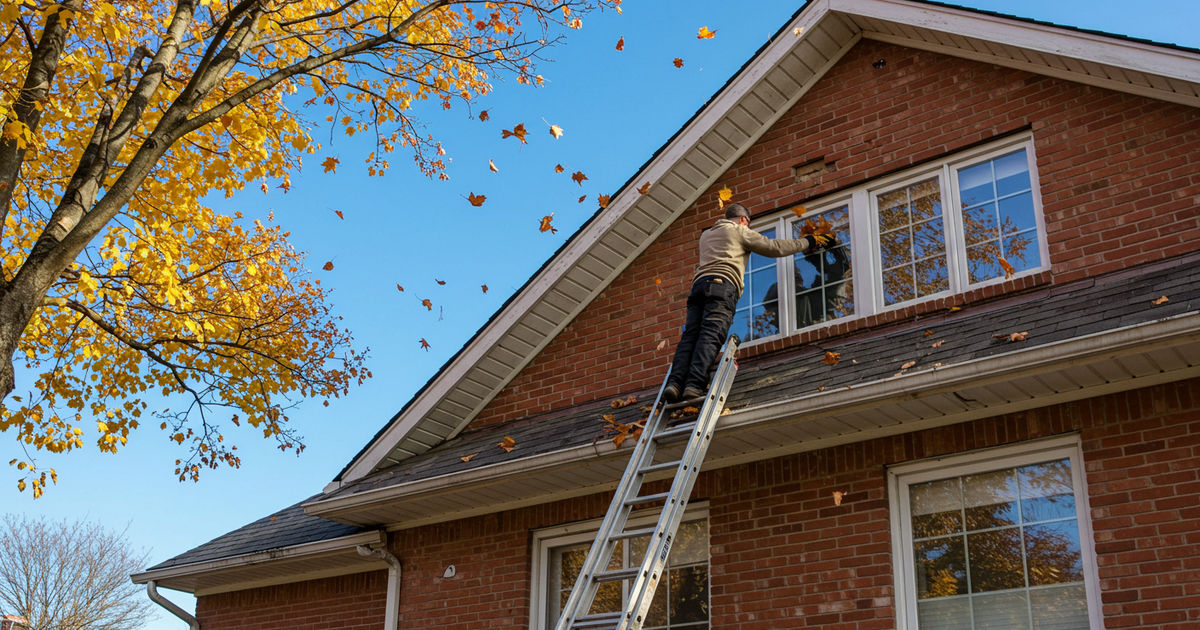
- Clean gutters again after the leaves drop, and air-seal and insulate the attic. Sealing attic gaps does double duty: it cuts your heating bill and it’s the single best prevention against winter ice dams.
- Have the chimney and flue inspected if you use a fireplace or wood stove — creosote buildup is a real fire risk — and reverse your ceiling fans to clockwise to push warm air back down into the room.
Winter: Protect Against Ice and Cold
The goal in winter is simple: keep water where it belongs and heat where you need it. St. Louis winters aren’t as brutal as the far north, but they swing — a mild week, then a sudden hard freeze — and it’s those sharp drops that catch unprepared pipes and roofs. A little readiness before the first deep cold snap does most of the work.
- Prevent frozen pipes. The Department of Energy’s advice: keep the thermostat at 55°F or above, insulate exposed pipes in basements and crawl spaces, and when a hard freeze hits, let a trickle of water drip from faucets on exposed lines to relieve pressure.
- Guard against ice dams. They form when heat escaping into the attic melts roof snow that then refreezes at the cold eaves. The cure isn’t chipping ice off the roof — it’s the attic air-sealing, insulation, and ventilation you did in fall.
- Check the sump pump again mid-winter (thaws and rain don’t wait for spring), and test smoke and carbon-monoxide detectors — furnace season is exactly when CO risk rises.
The Payoff: Why the Rhythm Beats the Scramble
None of these tasks is hard on its own. What makes them powerful is doing them on time — because almost every expensive home disaster is a cheap maintenance task that got skipped. The furnace that dies on the coldest night was a $150 fall tune-up you didn’t book. The flooded basement was a $20 downspout extension and an afternoon of regrading. The cracked foundation was a summer of letting the clay bake bone-dry. The burst pipe was an uninsulated line and an open thermostat during a cold snap. Seen that way, a seasonal checklist isn’t a chore list — it’s the cheapest insurance policy you own, paid in a few weekend hours a year instead of a five-figure emergency.
Total tangent — here’s every business service in the metro, mapped.
A simple habit that works: tie each season’s tasks to something you already remember. Spring cleanup when you first mow, AC service when the forecast first hits 80, furnace service when you turn the clocks back, pipe-check when the first hard freeze is named. Anchor the maintenance to the calendar you already live by — the same habit behind managing your St. Louis services in one place — and it stops being something you forget.
A Note on St. Louis’s Older Homes
If you own one of the region’s many older brick homes, two things deserve special care. First, masonry and mortar: freeze-thaw slowly degrades mortar joints, and older homes were often built with soft, lime-based mortar. Repointing them with modern rigid Portland-cement mortar can actually trap moisture and spall the historic brick — so tuckpointing an old house is a job for someone who understands historic masonry, not a one-size-fits-all crew. Second, hard water: St. Louis municipal water is fairly hard, which scales up water heaters, faucets, and appliances over time — worth factoring into appliance care and lifespan. Older homes reward attention; they punish neglect. The upside is that a well-kept century-old St. Louis brick home is one of the most solid, characterful houses you can own — the maintenance is the rent you pay for that. Stay ahead of the masonry, the roof, and the water, and these houses last another hundred years.
Find a Pro (and a note for the owners)
If you have an in-ground irrigation system, don’t skip the fall blow-out — our guide to sprinkler repair and winterizing explains why it matters in our freeze-thaw climate.
Need a trusted local pro for the big-ticket items? The furnace tune-up, the tuckpointing, the foundation grading, the roof — those are worth a professional. Search St Louis Near Me Directory for HVAC techs, masons, and contractors across the metro, so you’re not scrambling when something breaks.
Run a home-services business in the metro? HVAC, roofing, masonry, foundation work — homeowners doing seasonal upkeep are searching for you right now. Listing your business is how the careful St. Louis and Illinois ones find you first.
More St. Louis homeowner guides
- Basement waterproofing in St. Louis
- Storm-proofing your trees before the next big one
- Why your trees need a regular arborist checkup
Frequently Asked Questions
When is the first and last frost in St. Louis?
On average, St. Louis’s last spring frost lands around mid-April and the first fall frost around late October. Those dates anchor the seasonal timing: wait until after mid-April for exterior paint and planting, and winterize outdoor faucets before the first hard freeze in mid-to-late October. Weather varies year to year, so treat them as guidelines.
Should I water my foundation in St. Louis?
During a prolonged summer drought, yes — moderately. St. Louis’s expansive clay soil shrinks when it dries out and pulls away from the foundation, which can cause settlement and cracks. Keeping the soil around the foundation evenly moist helps prevent that. The key is consistency, not volume — don’t soak or flood it, which creates hydrostatic pressure against basement walls.
How often should I change my HVAC filter?
Inspect it monthly and change it at least every three months — more often during heavy heating or cooling season, or if you have pets. A dirty filter restricts airflow, wastes energy, and shortens the life of the system. Pair filter changes with a professional AC checkup in spring and a furnace checkup in fall, as ENERGY STAR recommends.
How do I prevent ice dams on my roof?
Ice dams form when heat leaking into the attic melts roof snow that refreezes at the cold eaves. The lasting fix isn’t removing ice from the roof — it’s reducing the heat loss that causes it: air-seal attic penetrations, add insulation, and ensure balanced soffit-to-ridge ventilation so the roof deck stays cold. Do this work in the fall, before the snow flies.
Why do St. Louis homes need special masonry care?
Many St. Louis homes are older brick, and freeze-thaw cycles slowly degrade mortar joints. Older homes were often built with soft, lime-based mortar; repointing them with hard modern Portland cement can trap moisture and damage the historic brick. That’s why tuckpointing an older St. Louis home should be done by someone experienced with historic masonry, not a generic contractor.
What's the most overlooked home maintenance task?
Gutters and grading, together. Water that is not carried away from the foundation is what turns into the expensive problem here, given our clay soil and freeze-thaw swings. Most people notice the basement first, by which point the fix costs several thousand rather than an afternoon.
What is included in a maintenance checklist?
Seasonal work grouped by system: roof and gutters, HVAC filters and service, plumbing and water heater, exterior caulk and paint, and the safety items — detectors, dryer vent, sump pump. The point of a list is that none of it depends on you remembering.
What are 5 items that regularly scheduled maintenance will check?
HVAC filter and coils, water heater and its pressure valve, sump pump operation, gutter flow and downspout discharge, and exterior seals around windows and doors. Those five cover most of what actually fails in a St. Louis house.
What maintenance items should be checked during a seasonal startup?
Before cooling season: filter, condenser coils, condensate drain, and a test run before the first hot week rather than during it. Before heating: filter again, flue and detectors, and the sump pump, because our wettest months and our first freeze arrive close together.
Tackling bigger projects this season? See our St. Louis guides to choosing a window company, pest control options, and hiring an interior painter.

Written by a dedicated team of St. Louis locals who live, work, and play right here in the St. Louis metro. Founder Lane Forman and team are committed to building the region’s most trusted directory by verifying listings and connecting local businesses with loyal customers across Missouri and Illinois.