Best Indian Food in St Louis: A Local's Guide to Curry, Dosa & Biryani
Revised August 10, 2026
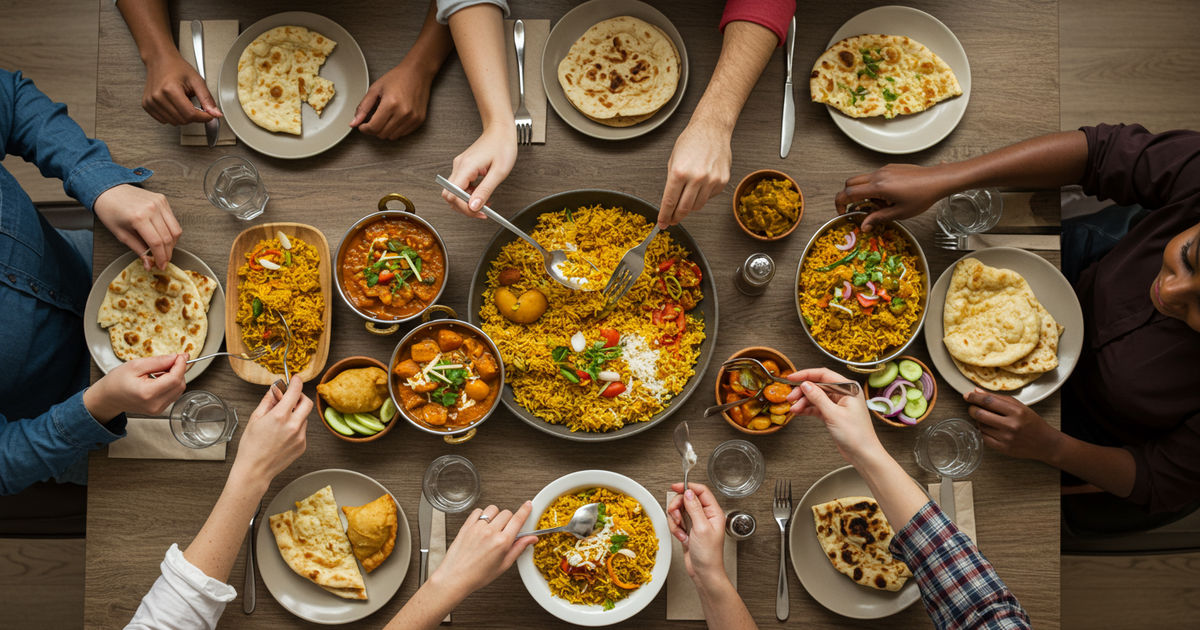
Where is the best Indian food in St. Louis?
The University City corridor on Olive Boulevard is St. Louis’s Indian heartland — Turmeric, House of India, and vegetarian Gokul lead there. Beyond it: Rasoi (Central West End) for a nice night out, Signature India (Ballwin) and Persis (O’Fallon) for South Indian dosas and biryani, Saffron (Town & Country) for Pakistani-style halal, and Black Salt (Chesterfield) for modern chef-driven Indian. Nepali momos turn up on South Grand, and the Metro East has Taj (Edwardsville) and India’s Oven (Swansea). Not all of it is spicy — butter chicken, korma, and dal are mild.
Keep reading ↓Here’s the thing most people miss about Indian food in St. Louis: it isn’t one cuisine. The metro’s Indian restaurants span a whole subcontinent — creamy North Indian curries and tandoori from Punjab, feather-light South Indian dosas from Tamil Nadu, fragrant biryani, Nepali momos, and Pakistani-style karahi. If your idea of Indian food starts and ends with butter chicken, you’ve barely opened the menu.
And the scene is genuinely good. The University City corridor along Olive Boulevard has long been the metro’s Indian heartland — a stretch of grocery stores, sweet shops, and restaurants where you can get a proper thali or a crackling paper dosa the size of your forearm. But it’s spread far beyond U City now, with strong rooms in the Central West End, South Grand, Ballwin, O’Fallon, Chesterfield, and across the river in the Metro East.
This guide walks you through the regions and the rooms — where to get the best dosa, the richest curry, the most fragrant biryani — across the whole metro. And don’t worry if you’re spice-shy: not all of it is hot, and we’ll show you exactly what to order.
📌 Curry and dosa fan? Keep this — and share it.
Bookmark this guide and send it to the friend who only ever orders butter chicken (time to try a dosa), the group planning a big Indian feast, or the coworker convinced all Indian food is “too spicy.”
Every share points one more hungry person to a plate worth the drive. That’s the whole idea.
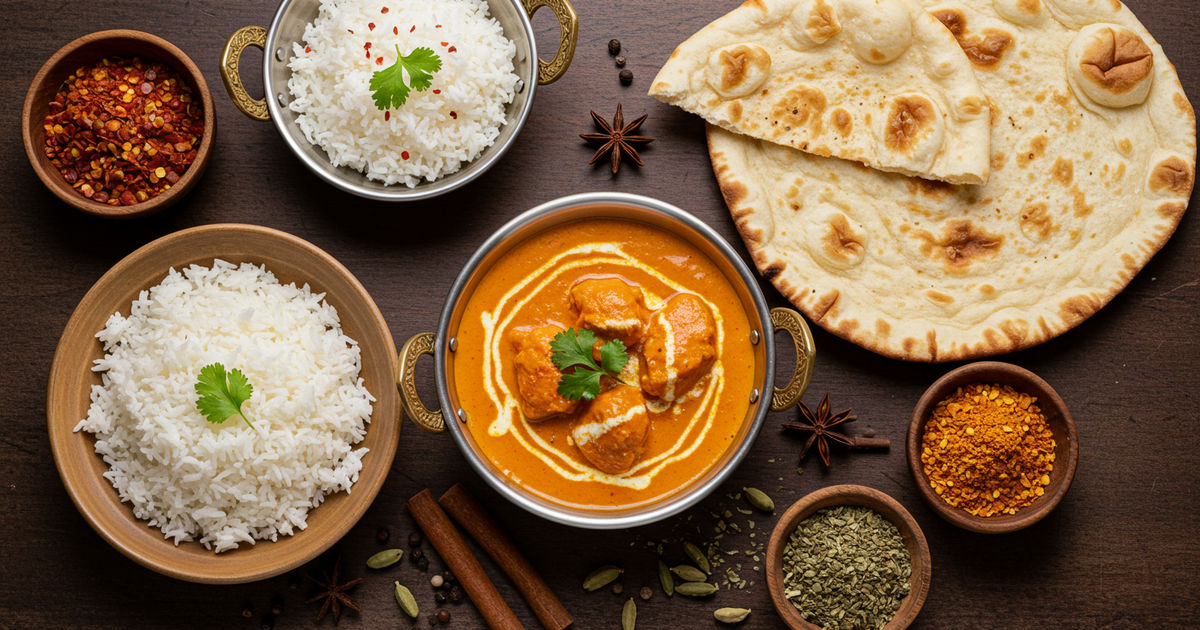
The University City Corridor: The Indian Heartland
Start on Olive Boulevard in University City, the metro’s longtime Indian hub. Turmeric ($$) is a modern favorite for well-executed North and South Indian across a broad menu, with a popular lunch buffet. Nearby, House of India ($$) is the veteran of the strip — a longtime buffet destination that introduced a generation of St. Louisans to tandoori and tikka masala. And for a fully vegetarian experience, Gokul ($) does chaat, dosas, and North Indian veg cooking that even devoted carnivores rave about. This one stretch of road can take you from a quick lunch thali to a full-blown feast — it’s the natural place to begin any Indian food tour of the metro.
South Indian & the Art of the Dosa
If you’ve never had a dosa — a giant, crispy fermented-rice-and-lentil crepe, usually filled with spiced potato and served with coconut chutney and sambar — fixing that should be your next meal. In Ballwin, Signature India ($$) is a West County go-to for South Indian dosas and North Indian classics alike. In O’Fallon (MO), Persis Biryani Indian Grill ($$) does a strong biryani and South Indian lineup for the western suburbs. South Indian food tends to be lighter, tangier, and often vegetarian — a whole different (and gloriously good) side of the cuisine from the creamy curries most Americans know first.
South Grand, the CWE & Nepali Flavors
Closer to the city core, the options get interesting. In the Central West End, Rasoi ($$) is a stylish, well-regarded room for North Indian cooking and a good introduction for a nice night out. On the diverse South Grand strip, look for Indian and Himalayan spots serving Nepali momos (dumplings) and thukpa alongside the familiar curries — Everest-style Nepali-Indian cooking has quietly become one of the metro’s tastiest crossovers. These central-city rooms are the easy pick when you want great Indian food without a drive to the suburbs.
Totally unrelated to biryani — U City owners, here’s how locals find you.
West County & Pakistani-Style Cooking
The western suburbs are well covered, and they add some welcome variety. In Chesterfield, Black Salt ($$$) brings a modern, chef-driven take on Indian food to West County — a step up in ambiance and creativity for a special occasion. And in Town & Country, Saffron ($$) serves Pakistani-style halal cooking — think rich karahi, seekh kebabs, and biryani — a close cousin of North Indian food with its own distinct, meat-forward character. If you want to taste how the cuisine shifts across the India-Pakistan border, this is the pairing to explore.
The Metro East
The Illinois side keeps eastsiders well fed. In Edwardsville, Taj Indian Cuisine ($$) is the reliable local option for curries, tandoori, and a weekday buffet. And in Swansea, India’s Oven ($$) gives the Belleville area its own dependable spot for the North Indian standards. Neither is a metro-wide destination you’d cross two rivers for — but for good tikka masala and fresh naan on the east side, they absolutely deliver.
What St. Louis Indian Does Best
A few strengths define this scene. The lunch buffet is a St. Louis Indian institution — an affordable, low-pressure way to sample tandoori, curries, biryani, and dessert in one sitting (Turmeric and House of India are classics for it). Dosas and South Indian cooking are a genuine strength thanks to the U City corridor and the West County spots. Biryani — the fragrant, layered rice dish that’s a meal unto itself — shows up beautifully at Persis and the Pakistani-style rooms. And the metro’s vegetarian Indian cooking, from Gokul’s chaat to paneer dishes everywhere, is some of the best plant-based eating in the whole city. Range, once again, is the headline.
Understanding the Menu: Regions & Spice
A little menu literacy goes a long way. Broadly, North Indian food is what most Americans know — creamy curries (butter chicken, korma, tikka masala), tandoori meats, and breads like naan. South Indian is lighter and often vegetarian — dosas, idli, sambar, and coconut-forward flavors. On spice, here’s the key truth: not all Indian food is fiery. Dishes like butter chicken, korma, and dal are mild and creamy by design, while vindaloo and many chili-forward curries bring real heat. Most St. Louis Indian restaurants will happily adjust the spice level — just ask — and a side of raita (yogurt) or plain rice tames anything that runs too hot. Order confidently; there’s a gentle doorway into every corner of this cuisine.
How to Order Like a Regular
A few tips to eat well. Try the buffet on your first visit to a new spot — it’s the cheapest way to figure out what you love before committing to a full order. Order a dosa at least once if you’ve never had one; it’s a completely different experience from curry-and-rice. Get fresh naan or roti to scoop up the sauces — garlic naan is a near-universal winner. If you’re spice-shy, start with butter chicken, korma, or dal makhani and build from there. And don’t skip the mango lassi — the sweet yogurt drink both cools the palate and rounds out the meal. Share widely, order across regions, and you’ll eat like royalty for not much money.
Don’t Skip the Sweets
Indian desserts are a world unto themselves, and skipping them is a mistake. Gulab jamun — warm, syrup-soaked milk-dough dumplings — are the crowd favorite and turn up on nearly every buffet. Kheer (a fragrant rice pudding with cardamom), gajar halwa (a rich carrot dessert), and kulfi (dense, slow-churned Indian ice cream, often pistachio or mango) round out the classics. The U City corridor’s sweet shops and grocery stores also sell boxes of mithai — colorful milk-based sweets like barfi and ladoo — perfect for taking home or bringing to a gathering. After a spice-forward meal, something sweet and cooling is the traditional finish, and these desserts do it beautifully. Order the gulab jamun warm and thank us later.
Great for Groups, Feasts & Vegetarians
Few cuisines feed a crowd as joyfully as Indian food. Because so much of it is built for sharing — a spread of curries, breads, rice, and sides passed around the table — it’s a natural for group dinners, celebrations, and family feasts. It’s also a haven for vegetarians and vegans: dal, chana masala (chickpeas), saag paneer, aloo gobi, and countless dosas and chaats make meatless eating feel abundant rather than limited, and the U City corridor is packed with fully vegetarian kitchens. Order family-style, get a mix of mild and bold dishes, add plenty of naan, and you can feed a big table across every taste and diet for a very reasonable price. It’s hospitality you can taste.
A Note on What’s Closed
One honest update for anyone hunting an old favorite: a few names have closed. Haveli, Priyaa, and Mayuri — all once options along or near the U City corridor — are no longer operating, and India’s Rasoi has closed as well. The good news is that the corridor and the wider metro have plenty of thriving rooms to take their place. As always, a quick check before you drive across town is wise — and when an Indian kitchen wins you over, become a regular and spread the word. That’s how the good ones stay open.
Run an Indian, Nepali, or Pakistani restaurant? Be the name they find first.
Every month, about 590 people around St. Louis search “best Indian food in St. Louis” on their phones — plus many more hunting for curry, biryani, and dosa near them — but most get handed a national app that buries the small local rooms under ads. Here’s your opening: get in on the ground floor of a growing local directory and become one of the first spots locals — and AI assistants like ChatGPT — surface when someone’s craving Indian. It works because a focused local directory shows up where the big apps don’t, and being easy to find is what turns a search into a full dining room.
And it’s simple: get your profile, add your photos, get seen by more hungry customers — easy, right? Even if you already have a Google listing, this is a second net catching the people Google misses. Even if you’re not a “tech person,” it takes minutes. Even if you’re a small family kitchen with no ad budget — that’s exactly who a local directory levels the field for.
Claim your spot and be the name they find first — or start with a free visibility audit to see how findable you are today.
Indian food may be the most rewarding cuisine to explore in the whole metro — an entire subcontinent of flavor, spread generously from U City to the Metro East. For the bigger picture, see our guide to the best restaurants in St. Louis — then go order a dosa the size of your arm. The best Indian food in this metro isn’t about fancy rooms — it’s about the family kitchen simmering a curry the way it’s been made for generations, and the warm plate of it that lands in front of you.
Frequently Asked Questions
Is Indian food spicy?
Not necessarily. It depends entirely on the dish. While much Indian food is generously seasoned with spices, “seasoned” doesn’t always mean hot — many classics like butter chicken, korma, and dal are mild and creamy. Others, like vindaloo, bring real heat. Most St. Louis Indian restaurants will adjust the spice level to your taste, so you can eat comfortably no matter your tolerance.
Which Indian food is not spicy?
Plenty of Indian dishes are mild by design. Butter chicken, chicken korma, dal (lentils), paneer makhani, and most tandoori items are gentle and flavorful without much heat. Naan, rice, and mango lassi are all soothing. If you’re spice-sensitive, tell your server — St. Louis kitchens are used to the request and will steer you to the creamy, mild end of the menu.
What is the mildest Indian dish?
Korma is often the mildest Indian curry — a rich, creamy sauce built from yogurt, cream, coconut, and ground nuts, with little to no chili heat. Butter chicken (murgh makhani) is a close second: tender chicken in a mild, slightly sweet tomato-cream sauce. Both are excellent starting points if you’re new to Indian food or don’t like spice.
What to order at an Indian restaurant if you don’t like spicy food?
Start with butter chicken or korma — both are creamy, mild, and beloved by beginners. Add garlic naan, plain basmati rice, and a mango lassi to round things out, and consider a mild dal or a paneer dish (Indian cheese) for a vegetarian option. Tell your server you’d like it mild; nearly every St. Louis Indian spot will happily oblige.
Where can I get authentic Indian food in St. Louis?
The University City corridor on Olive Boulevard is the metro’s Indian heartland — Turmeric, House of India, and vegetarian Gokul lead the way. Beyond it, Rasoi in the Central West End, Signature India in Ballwin, Persis in O’Fallon, Saffron (Pakistani) in Town & Country, and Taj in Edwardsville give you authentic North Indian, South Indian, and regional cooking across the whole metro.

Written by a dedicated team of St. Louis locals who live, work, and play right here in the St. Louis metro. Founder Lane Forman and team are committed to building the region’s most trusted directory by verifying listings and connecting local businesses with loyal customers across Missouri and Illinois.