St. Louis Chambers of Commerce and Networking, by Suburb
Revised August 11, 2026

Which chamber of commerce or networking group should my St. Louis business join?
St. Louis has an active chamber in nearly every suburb. Key ones: the St. Charles Regional, O’Fallon (MO), and Western St. Charles County chambers out west; Chesterfield Regional and West St. Louis County (Ellisville) in West County; Kirkwood-Des Peres, Mid County (Maplewood), Clayton, and the rebranded Quad Chamber (Webster Groves/Shrewsbury/Rock Hill/Brentwood) close in; Greater North County (Florissant) up north; and Edwardsville/Glen Carbon, Belleville, O’Fallon-Shiloh, Collinsville, and the RiverBend Growth Association in the Illinois Metro-East. BNI runs weekly referral groups metro-wide, and Greater St. Louis, Inc. is the regional organization. Join by where your customers are, visit before you pay, and show up consistently.
Keep reading ↓Running a small business can feel like a solo sport. You handle the work, the invoicing, the marketing, and the slow weeks — usually alone. One of the oldest fixes for that isolation still works: get in a room with other local owners. Across the St. Louis metro, on both the Missouri and Illinois sides, that room usually has a name. It is your local chamber of commerce, a referral group, or a small-business network. Here is who does what, where they meet, and how to get real value without wasting money.
What a chamber of commerce actually does
A chamber of commerce is a membership organization of local businesses in a defined area — a city, a cluster of towns, or a county. You pay annual dues, and in return you get a mix of the following: networking events where you meet other owners, a public member directory that links to your website, ribbon cuttings and grand-opening support, referrals when residents call asking who to hire, advocacy with city hall on issues that affect business, and educational workshops on things like taxes, hiring, and marketing.
The honest truth is that a chamber gives back what you put in. Owners who show up to a few events a year, introduce themselves, and follow up tend to win work. Owners who pay dues and never attend tend to shrug and not renew. Membership is a tool, not a magic switch.
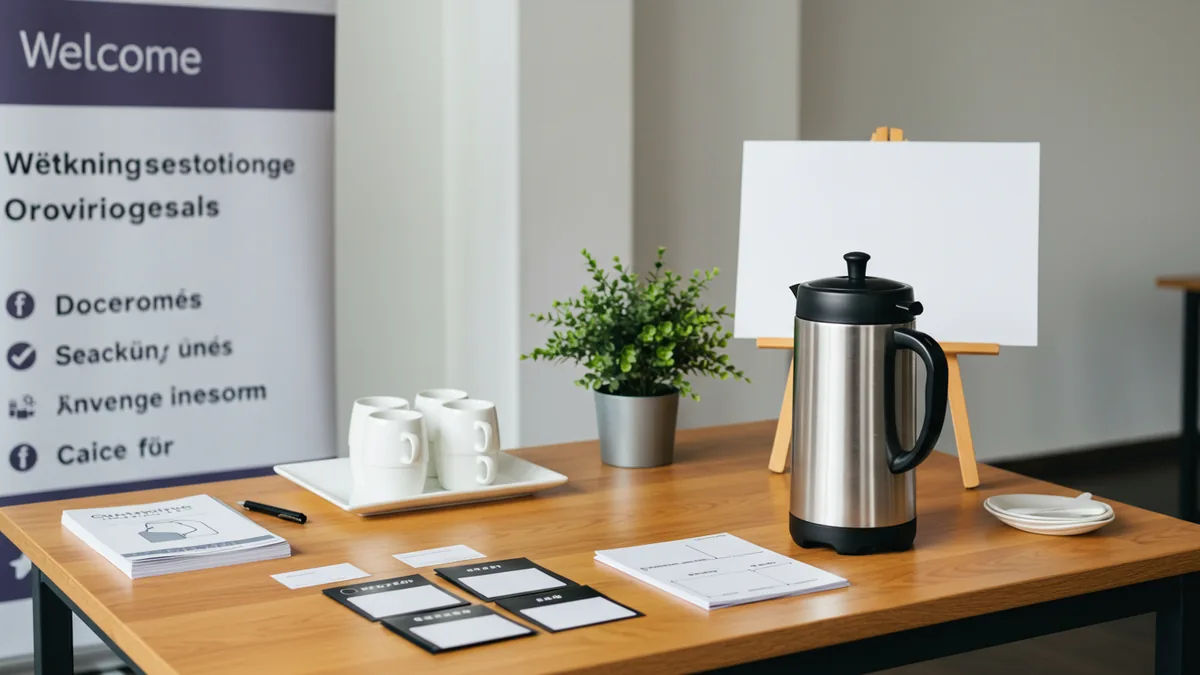
Chamber vs. referral group vs. industry association
These three get mixed up, so here is the plain difference:
- A chamber of commerce is broad and local. Any kind of business in the area can join — a plumber, a bakery, a law firm, a nonprofit. The point is community connection across industries.
- A referral group (sometimes called a leads group) is small, structured, and built to pass business directly. The best-known is BNI, which runs chapters around St. Louis. Most groups allow only one person per profession — one realtor, one electrician, one insurance agent — so members refer work to each other without competing. Meetings are usually weekly and attendance is expected.
- An industry association is national or regional and tied to one trade — restaurants, home builders, accountants. You join for industry training, standards, and contacts in your own field, not for local cross-referrals.
Many owners belong to more than one. A common combo is one chamber for community visibility plus one referral group for steady leads.
Chambers in St. Charles County (Missouri)
The fast-growing western side of the metro has several active chambers. The St. Charles Regional Chamber in St. Peters serves the St. Charles County region and is part of the Missouri Chamber Federation. The O'Fallon Chamber of Commerce and Industries covers O'Fallon, Missouri (not the Illinois O'Fallon — both exist). Out west, the Western St. Charles County Chamber of Commerce serves Wentzville and the growing communities around it. These are good first stops if your customers live in St. Charles, St. Peters, O'Fallon (MO), or Wentzville.
Total swerve: noon is coming, and Eagle Park, Illinois has lunch covered.
Chambers in West and Mid St. Louis County
If you work the western suburbs, the Chesterfield Regional Chamber is one of the larger chambers in the region and covers the Chesterfield business corridor. Further along Manchester Road, the West St. Louis County Chamber of Commerce in Ellisville serves Ballwin, Ellisville, Manchester, Wildwood, Valley Park, and several neighboring towns — a strong choice for home-service pros and retail owners across far West County.
Closer in, the Kirkwood-Des Peres Area Chamber of Commerce serves Kirkwood, Des Peres, Warson Woods, Glendale, and Oakland, and has been around since the 1940s. The Mid County Chamber of Commerce, based in Maplewood, covers the Maplewood and Richmond Heights area, which is a busy small-business and restaurant pocket. And in the region’s business hub, the Clayton Chamber of Commerce serves downtown Clayton — the county seat, packed with law firms, agencies, and finance offices — a strong fit if your clients are professional-services businesses.
Chambers in South County and the Webster Groves area
The Quad Chamber of Commerce — the rebranded name for the longtime Webster Groves, Shrewsbury, Rock Hill and Brentwood chamber — covers that string of inner-ring suburbs (“the Quad”) along the south-central corridor. Head into Jefferson County and the Arnold Chamber of Commerce serves Arnold and the surrounding Jeffco communities. Both are practical fits for trades, shops, and service businesses that draw from those neighborhoods.
Chambers in North County (Missouri)
In North St. Louis County, the Greater North County Chamber of Commerce, based in Florissant, serves Florissant, Hazelwood, Black Jack, Spanish Lake, and the wider north-county area. If your customer base sits north of the city, this is the local network to look at first.
Chambers in the Illinois Metro-East
The Illinois side has its own strong set of chambers, and they matter if you serve customers across the river:
- The Edwardsville/Glen Carbon Chamber of Commerce is one of southern Madison County's largest business associations, covering Edwardsville and Glen Carbon.
- The Greater Belleville Chamber of Commerce serves Belleville and surrounding communities in St. Clair County.
- The O'Fallon-Shiloh Chamber of Commerce covers O'Fallon, Illinois (again, the Illinois one) and Shiloh.
- The Collinsville Chamber of Commerce serves Collinsville, home of the Italian Fest and the International Horseradish Festival.
- The RiverBend Growth Association acts as the chamber and economic-development organization for the Riverbend communities, including Alton, Godfrey, Bethalto, Wood River, and Grafton.
The metro-wide regional organization
One more layer sits above the local chambers. Greater St. Louis, Inc. is the bi-state regional business and economic-development organization, formed in 2021 by merging several older groups (including the former regional chamber and the partnership). It works at the scale of the whole 15-county metro — site selection, workforce, downtown revitalization, and big-picture advocacy — rather than ribbon-cuttings on Main Street. For most small businesses, your neighborhood chamber is still the right day-to-day network, but it helps to know Greater St. Louis, Inc. exists: it’s the group shaping the regional economy your business operates inside, and its research and events can be worth following even if you never join at the corporate tier.
Referral and leads groups across the metro
Beyond chambers, BNI Mid America runs structured referral chapters across St. Louis and southern Illinois, including groups on the Illinois side in St. Clair County. These weekly groups are built for one thing: passing qualified leads to one member per profession. They take more commitment than a chamber — weekly attendance, a brief presentation, and a habit of bringing referrals — but for trades and service pros, a single good chapter can become a steady pipeline.
How to get real value from any of these
- Pick by where your customers are, not where you live. Join the chamber that covers the towns you want to work in.
- Visit before you pay. Most chambers and referral groups let you attend an event or two as a guest. Go, talk to people, and see if the room is your kind of crowd.
- Show up consistently. The owner who attends six events beats the one who attends one. Relationships, and the referrals that follow, are built over months.
- Use the member directory link. Most chambers link to your website, which is a small but real boost to how customers and search engines find you.
- Give before you ask. Refer other members first. The fastest way to get referrals is to send them.
Free ways to network too
Dues are not the only path. Many chambers run free or low-cost public events you can attend as a guest. Local Facebook groups, neighborhood business associations, and main-street merchant groups are often free to join. And simply showing up — sponsoring a youth team, tabling at a community festival, or partnering with a nearby shop — builds the same local trust a chamber does. The goal is the same whether you pay for it or not: become a familiar name in your own backyard.
Your first 90 days in a chamber, done right
Joining is the easy part; the return comes from a simple, repeatable habit. In your first three months, aim to attend every event you reasonably can — not to sell, but to be seen. People refer businesses they recognize, and recognition is just repetition. Wear a name tag, learn a handful of members by name, and get comfortable answering “what do you do?” in one clear sentence a stranger could repeat to someone else later. That last part matters more than most owners think: your referrals travel through people who half-remember you, so make yourself easy to describe.
Then follow up like it’s the actual job, because it is. After each event, send two or three short, genuine notes to people you connected with — no pitch, just “good to meet you, here’s my card, happy to send business your way.” Offer a referral before you ever ask for one; nothing builds goodwill faster in a room of small-business owners. Volunteer for a committee or a ribbon-cutting within the first couple of months, since the members who run things get known fastest. Do that for a season and the chamber stops being a line item and starts being a pipeline. Skip the follow-up and it’s just an expensive lunch club.
Frequently asked questions
Do I have to join a chamber to network locally?
No. Chambers are one option. Referral groups, free community events, merchant associations, and local online groups all build connections. A chamber simply packages a lot of that into one membership with a directory listing attached.
How much does chamber membership usually cost?
It varies by chamber and by the size of your business, generally ranging from low hundreds of dollars a year for a small business up to more for larger companies. Ask each chamber for its current dues tiers, and weigh them against how many events you will realistically attend.
What is the difference between a chamber and BNI?
A chamber is broad, local, and community-focused, and welcomes any business in its area. BNI is a structured weekly referral group that allows only one member per profession and exists specifically to pass leads. Many owners join both.
There are two O'Fallon chambers — which one do I want?
There is an O'Fallon, Missouri in St. Charles County and an O'Fallon, Illinois in St. Clair County. Each has its own separate chamber. Pick the one in the state where your customers are.
Can a brand-new or home-based business join?
Yes. Chambers welcome startups, solo operators, and home-based businesses. For a new owner with no local network yet, a chamber or referral group is one of the fastest ways to meet customers and referral partners.
Will joining a chamber actually get me customers?
It can, but not automatically. Members who attend events, follow up, and refer others tend to win work. Members who pay and never show up usually do not. Treat it as a relationship-building tool, not an ad you buy once.
What is Greater St. Louis, Inc., and should my small business join it?
Greater St. Louis, Inc. is the bi-state regional business and economic-development organization for the wider metro — it works on site selection, workforce, and regional advocacy rather than local ribbon-cuttings. For most small businesses, a neighborhood chamber is the better day-to-day fit, but it is worth following Greater St. Louis, Inc.’s research and events because it shapes the regional economy you operate in.
Which chamber covers Webster Groves and Brentwood now?
The Quad Chamber of Commerce. It is the rebranded name for the longtime Webster Groves, Shrewsbury, Rock Hill and Brentwood chamber — the four inner-ring suburbs known as “the Quad.” If you serve customers in those towns, it is your local network.
Looking for a place to actually do the work between all that networking? See our guide to the best coworking spaces in St. Louis.
Your local network is one of the cheapest growth tools you have — you just have to use it. If you’d rather see where your business already stands online before you start shaking hands, browse the St Louis Near Me directory to see how customers find local pros across the metro.
And if you’re a business owner ready to get listed and found across St. Louis, listing it puts you in front of neighbors searching for exactly what you do.

Written by a dedicated team of St. Louis locals who live, work, and play right here in the St. Louis metro. Founder Lane Forman and team are committed to building the region’s most trusted directory by verifying listings and connecting local businesses with loyal customers across Missouri and Illinois.