How to Choose a Pest Control Company in St. Louis (Guide)
Revised August 30, 2026
What should I look for when choosing a pest control company?
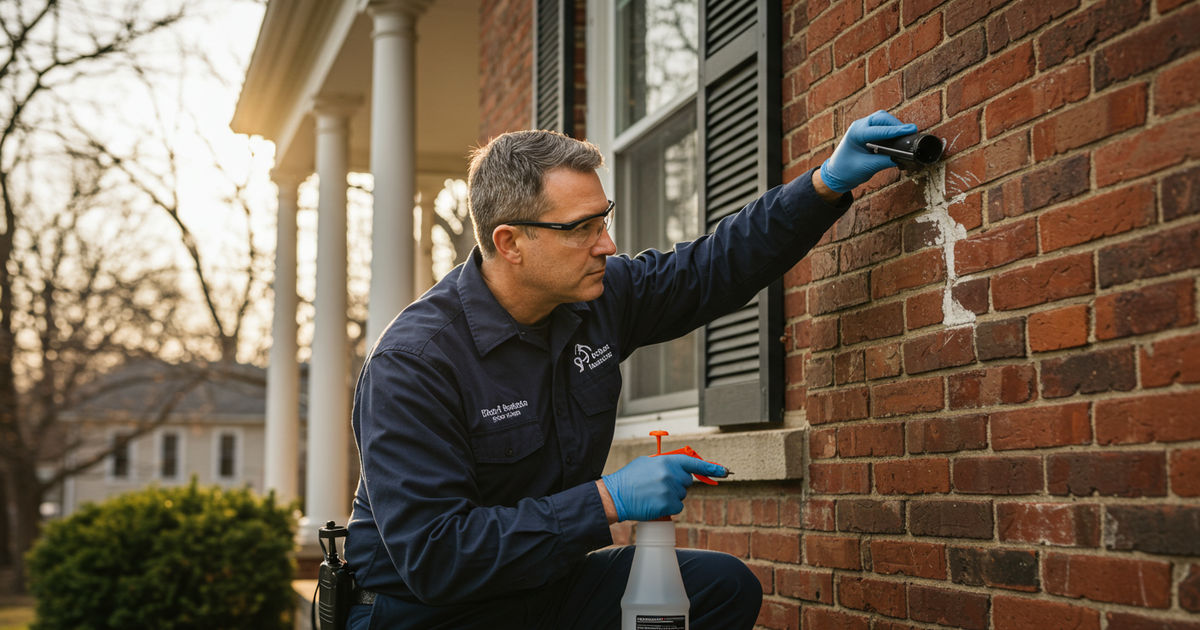
Choose a licensed and insured pest control company with experience treating your specific pest, a strong local reputation, a clear written plan, transparency about the products they use and how they protect kids and pets, and a guarantee. Favor companies that emphasize prevention and sealing entry points — not just spraying. In termite-prone, humid St. Louis, a knowledgeable local pro (and a termite specialist when needed) makes a real difference.
Keep reading ↓It usually starts small. A trail of ants marching across the kitchen counter. A mouse dropping behind the pantry. A wasp nest going up under the eaves, or — the one that makes every St. Louis homeowner shudder — the first sign of termites in a region where they thrive. Whatever the pest, the reaction is the same: you want it gone, safely, and you want to be sure it stays gone. So you start searching for a pest control company, and immediately face a flood of options all promising to solve your problem.
Choosing the right one matters more than most people think — the difference between a good exterminator and a bad one is the difference between a solved problem and a recurring nightmare (plus chemicals sprayed around your family and pets). This guide walks through how to choose a pest control company in St. Louis: what to look for, the types of pest control, which pests are genuinely hard to beat, the red flags to avoid, and how to find a trustworthy local pro.
What Should You Look for When Choosing a Pest Control Company?
The essentials come down to a short, non-negotiable list. Look for a company that’s licensed and insured — pest control involves regulated chemicals, and a licensed operator is trained to apply them safely and legally (ask to see proof). Look for experience with your specific pest, since treating termites, bed bugs, and mice each require different expertise. Check for a strong local reputation in recent reviews and references. Insist on a clear plan and written estimate that explains what they’ll treat, how, what it costs, and what happens if the pests come back. Ask about their approach to safety — the products they use and how they protect children and pets. And favor a company that offers a guarantee or warranty and stands behind its work. A pest company that checks these boxes will solve the problem rather than just spraying and leaving.
What Are the Types of Pest Control?
Knowing the main approaches helps you understand what a good company is actually offering. The broad categories: chemical control (the pesticides and baits most people picture); biological control (using natural predators or organisms to manage pests, more common in gardens and agriculture); physical or mechanical control (traps, barriers, exclusion — sealing the gaps pests use to get in); and cultural or preventive control (removing the food, water, and shelter that attract pests in the first place). The best modern pest companies practice Integrated Pest Management (IPM), which combines these thoughtfully — identifying the pest, using the least-toxic effective method, sealing entry points, and preventing recurrence — rather than defaulting to blasting everything with chemicals. When a company talks about prevention and exclusion, not just spraying, that’s a good sign you’ve found a real professional.
What Is the Hardest Pest to Get Rid Of?
Some pests are simply tougher, and knowing which ones sets your expectations. Bed bugs are notoriously difficult — they hide in tiny cracks, resist many treatments, and usually require specialized, repeated effort. Termites are both hard to eliminate and genuinely destructive, which is why they demand a specialist and why prevention matters so much in the St. Louis area. Cockroaches, especially German cockroaches, breed fast and develop resistance, making full eradication a persistent job. And rodents can keep returning if the entry points aren’t sealed. The lesson: for these tough pests especially, a cheap one-time spray rarely works — you want a company with specific expertise, a thorough plan, and a willingness to follow up. If a company promises to wipe out bed bugs or termites in a single quick visit for a bargain price, be skeptical.
What Are the 3 C’s of Pest Control?
A useful way to think about effective pest control is the “three C’s”: Control (dealing with the active infestation you have now), Correction (fixing the underlying conditions — the gaps, moisture, and food sources — that let the pests in), and Continuity (ongoing monitoring and prevention so they don’t come back). A good pest company works all three, not just the first. Anyone can spray to knock down what you can see; the professionals also find how the pests got in and make it harder for the next wave. When you’re evaluating companies, ask not just how they’ll kill the current pests, but how they’ll keep them out — the ones with a real answer to that are the ones worth hiring.
Red Flags When Hiring a Pest Control Company
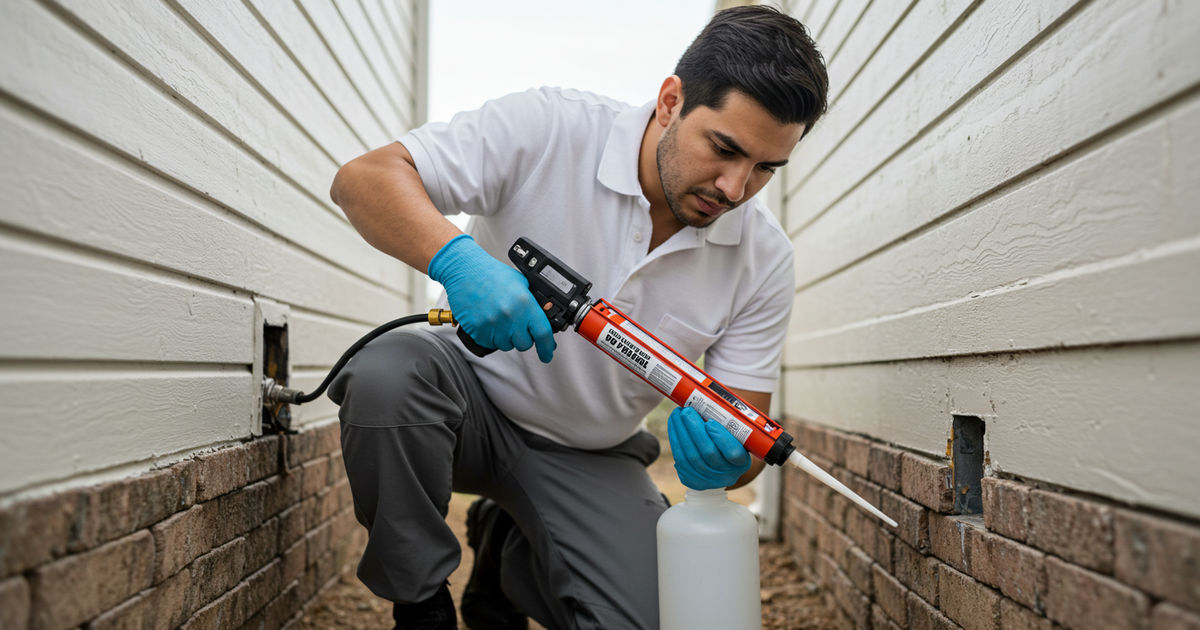
Watch for warning signs before you let anyone spray around your home. Be wary of a company that’s not licensed or insured or won’t show proof; one that pressures you to sign a long contract on the spot; a price far below everyone else (often a quick spray that doesn’t address the real problem); vague answers about what chemicals they use or how they’ll protect your family and pets; guarantees that sound too good to be true (“100% gone forever in one visit”); and door-to-door outfits that appear out of nowhere with a high-pressure pitch. A trustworthy pest professional is transparent about their methods, honest about what it’ll take, and comfortable answering safety questions. If you feel rushed, kept in the dark about the products going into your home, or pushed toward a big contract before the problem is even diagnosed, keep looking.
One-Time Treatment vs. an Ongoing Plan
A common question is whether you need a recurring service or just a one-time visit — and the honest answer is “it depends on the pest and your situation.” A one-time treatment can make sense for a specific, contained problem — a single wasp nest, an occasional invader — especially if you’re also fixing the conditions that caused it. An ongoing plan (quarterly or seasonal service) makes more sense for persistent pressure, prevention of tough recurring pests, or the peace of mind of regular monitoring — and in a long-season, termite-prone area like St. Louis, preventive service genuinely pays off for many homeowners. The key is that a reputable company recommends what your situation actually needs, not the most expensive plan by default. Be wary of anyone pushing a costly long-term contract for a minor one-off problem, and equally wary of a one-time spray sold as a permanent fix for something that clearly needs follow-up.
Random, but: Maryland Heights restaurants are better than the town gets credit for.
What Does Pest Control Cost?
Costs vary widely by the pest, the severity, the size of your home, and whether you choose a one-time or ongoing service, so rather than chase a single number, get clear itemized quotes. A simple one-time treatment for a common pest is typically modest; specialized work like termite treatment or bed-bug eradication costs considerably more because of the expertise and repeat visits involved; and recurring plans are usually priced per visit or as an annual agreement. Get two or three detailed estimates for the same scope so you can compare fairly, and make sure each quote spells out exactly what’s treated, how many visits are included, and what the guarantee covers. As with any home service, the cheapest bid isn’t automatically the best value — a slightly higher price from a company that actually solves the problem and stands behind it beats a bargain spray you have to redo.
Questions to Ask Before You Hire
Before letting anyone treat your home, ask: Are you licensed and insured, and can I see proof? Do you have experience with my specific pest? What products will you use, and how will you keep my kids and pets safe? What’s your plan — and how will you keep the pests from coming back? Is the estimate detailed and in writing? Do you offer a guarantee, and what does it cover? Is this a one-time treatment or an ongoing plan, and why? A professional answers all of these clearly and without pressure. The way a company handles these questions — transparent and patient, versus vague and rushed — tells you most of what you need to know before they ever set foot inside.
St. Louis-Specific: Termites, Humidity, and Old Homes
A few local realities make pest control here its own challenge. The St. Louis region’s humid summers and mild seasons create a long, active pest season, and the area is genuine termite country — subterranean termites are a real and costly threat to homes here, which is why termite inspections and prevention deserve special attention (and why a termite specialist, not a generalist, is worth it). The metro’s abundance of older brick homes, basements, and mature trees also gives pests plenty of entry points and harborage, from ants and spiders to mice and the occasional bat. And seasonal shifts drive predictable invasions — ants and wasps in warm months, rodents seeking warmth as it cools. A local company that understands St. Louis’s specific pests and seasons will anticipate problems a generic outfit won’t, which is a strong reason to hire a pro who genuinely knows the area.
Ready to find and compare local pest control pros? Browse vetted St. Louis pest control companies on the St. Louis pest control map, or explore every trade across the metro on the home services coverage map — so you can shortlist licensed local pros with real reputations.
Run a pest control company? Getting found by homeowners the moment they spot a problem is the whole game. Listing your business puts you in front of St. Louisans searching for pest control near them.
More St. Louis Home-Services Guides
- How to choose a roofing contractor in St. Louis
- How to choose an electrician in St. Louis
- How to find a good handyman
Frequently Asked Questions
What are the 4 types of pest control?
The main approaches are chemical (pesticides and baits), biological (natural predators or organisms), physical/mechanical (traps, barriers, and sealing entry points), and cultural/preventive (removing the food, water, and shelter that attract pests). The best companies use Integrated Pest Management, combining these thoughtfully — identifying the pest, using the least-toxic effective method, and preventing recurrence — rather than defaulting to chemicals alone.
What is the hardest pest to get rid of?
Bed bugs are among the hardest — they hide in tiny cracks, resist many treatments, and usually need specialized, repeated effort. Termites are both tough and destructive, requiring a specialist. German cockroaches breed fast and develop resistance, and rodents return if entry points aren’t sealed. For these, a cheap one-time spray rarely works; hire a company with specific expertise, a thorough plan, and follow-up.
What are the 3 C’s of pest control?
Control (handling the active infestation), Correction (fixing the underlying conditions — gaps, moisture, food sources — that let pests in), and Continuity (ongoing monitoring and prevention so they stay out). A good company works all three, not just killing what you can see. When evaluating companies, ask how they’ll keep pests out, not just how they’ll kill the current ones.
What are red flags when hiring a pest control company?
No license or insurance (or refusal to show proof), high-pressure contract sales, a price far below the others, vague answers about the chemicals used or how they protect your family, guarantees that sound too good to be true, and door-to-door outfits with an aggressive pitch. A trustworthy pest pro is transparent about methods, honest about what it takes, and comfortable answering safety questions.
How do I find pest control near me in St. Louis?
Start with the St. Louis pest control map to browse and compare local companies by area, then vet your shortlist — license and insurance, experience with your specific pest, reviews, a clear written plan, and a guarantee. Because St. Louis is termite country with a long, humid pest season, choosing a knowledgeable local pro (and a termite specialist when needed) makes a real difference.
How to pick a pest control company?
Licensing first, then a written treatment plan naming the pest and the product, then what happens if it does not work. A company that will not tell you what they are applying, or that sells a year-long plan before identifying the problem, is selling a subscription rather than a solution.
What are the three C's of pest control?
Commonly given as cleaning, closing and calling — remove what attracts them, seal what lets them in, and bring in a professional when the first two are not enough. Exclusion is the step people skip, which is why the same problem returns each season.
How much should you spend on pest control?
For routine ant, spider and roach work in St. Louis, $85 to $189 a visit is normal, averaging near $133. Monthly plans run $40 to $70 and quarterly service $100 to $275 a visit here. Spending well past that usually means a specific problem priced separately.

Written by a dedicated team of St. Louis locals who live, work, and play right here in the St. Louis metro. Founder Lane Forman and team are committed to building the region’s most trusted directory by verifying listings and connecting local businesses with loyal customers across Missouri and Illinois.