Dried Pasta on Purpose: The Osteria Forto Menu in O'Fallon
Revised October 22, 2026

Who owns osteria Forto?
Osteria Forto in O’Fallon, Missouri is co-owned by spouses Dominic and Liz Pietoso. Dominic’s father, chef Fortunato “Forto” Pietoso, runs the kitchen and gives the restaurant its name. Liz is the pastry chef. The family opened it in December 2023 at 2509 Highway K, after years of sold-out osteria nights at their Creve Coeur pizzeria.
Keep reading ↓When the other kids at school pulled out peanut butter and jelly, Dominic Pietoso unwrapped seafood pasta. Calamari. Clams. The kids stared, asked what on earth that was, and decided he was a little crazy for eating it.
That kid now co-owns Osteria Forto in O’Fallon, Missouri, with his wife, Liz, who makes the desserts. The kitchen belongs to his father, Fortunato Pietoso, whom everyone calls Forto, and the restaurant at 2509 Highway K carries the nickname.
Watch the pan at the end of cooking. The pasta goes in, the sauce goes in, and for one beat it is just ingredients in the heat. Then, at the very end, everything binds together. Italians call that last move mantecatura, and Forto told St. Louis Magazine it is why some of his pasta is dried: for the dishes that depend on it, a good high-starch dried pasta works better.
Dried. In an Italian restaurant. After trying several brands, his team settled on La Molisana, which Forto calls the best product in Italy, and he does not apologize for it.
Fresh pasta is not automatically better. It depends on who is making it and what dish it is going into. That is Forto’s rule, and it is worth saying out loud at your next dinner.
The family’s own words do the rest of the work at the table. Lobster al forno, from the oven, is nubbins of lobster with onion gremolata, cognac jus, blended Italian cheeses and breadcrumbs, served in a ceramic escargot dish. The pork rib chop saltimbocca is thick-cut and bone-in, with salty prosciutto and fontinella cheese on top and a white wine sage sauce. The Spaghettoni Vesuvio is thick-cut spaghetti with bacon, onion and mushroom in a tomato sauce with a touch of cream. Dominic said the menu would slowly expand over time, so call 636-294-1435 and ask which of these are on tonight.
If you would rather bring the kitchen to a party, the restaurant’s catering page prices a full pan of rigatoni bolognese at $140 and says a full pan serves 16 to 20.
Who owns Osteria Forto?
Osteria Forto is a family business. Spouses Dominic and Liz Pietoso co-own it, and Dominic’s father, chef Fortunato Pietoso, runs the kitchen and lends the place his name. Dominic works the front of the house. Liz is the pastry chef, and she makes the desserts in house from scratch.
They tested the idea long before they signed a lease. The family ran a Cecil Whittakers pizzeria in Creve Coeur, and every Wednesday night there was osteria night: Forto cooked home-style Italian food, and by Dominic’s count they sold out every week for two years, until the pandemic shut them down. Those osteria nights, Dominic says, were the impetus for the restaurant. The doors opened in December 2023.
Forto’s road to that kitchen is the other half of the story. Born in Italy, he came to St. Louis, where his brother Tony helped him land a kitchen job at John Mineo’s. Over the decades he cooked in some of the city’s best-known Italian kitchens, Giovanni’s on the Hill among them. In 1989 the brothers opened Café Napoli, Tony out front, Forto in the back. Then Forto retired in 2019, or thought he did. When Dominic said the new place would be open Tuesday through Saturday, his father’s answer was that he would be fine working six. Dominic says of him: “I swear he could touch your plate, and it would taste better.”
What does osteria mean in Italian?
In Italian, osteria means a place serving wine and specialty food, as St. Louis Homes & Lifestyles put it when it wrote up the restaurant. Travel writer Rick Steves adds the history: osteria used to mean a humble, rustic, good-value eatery, and now it is likely to be trendy and pricey, though still good quality. Next to it on the Italian map sit the ristorante, generally more formal and upscale, and the trattoria, usually a casual family-owned place serving home-cooked meals.
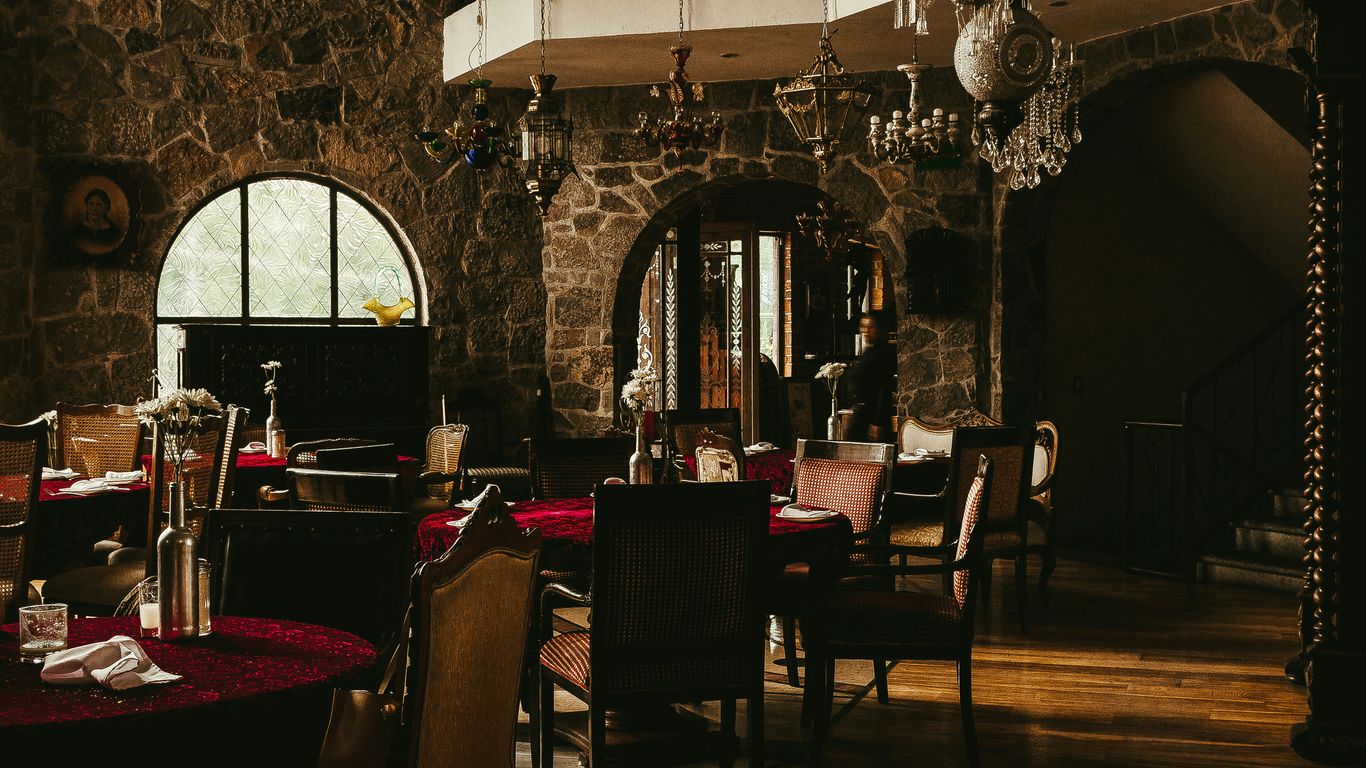
Osteria Forto sits where those lines blur on purpose. It has the home-style roots of a trattoria, born from those Wednesday dinners, and the wine-first name of an osteria. When it was still being built, Liz told the magazine the goal was a warm, welcoming ambiance with some rustic elegance, in navy blue, gold and white, with the blues carried through the tile work, the linens and the uniforms.
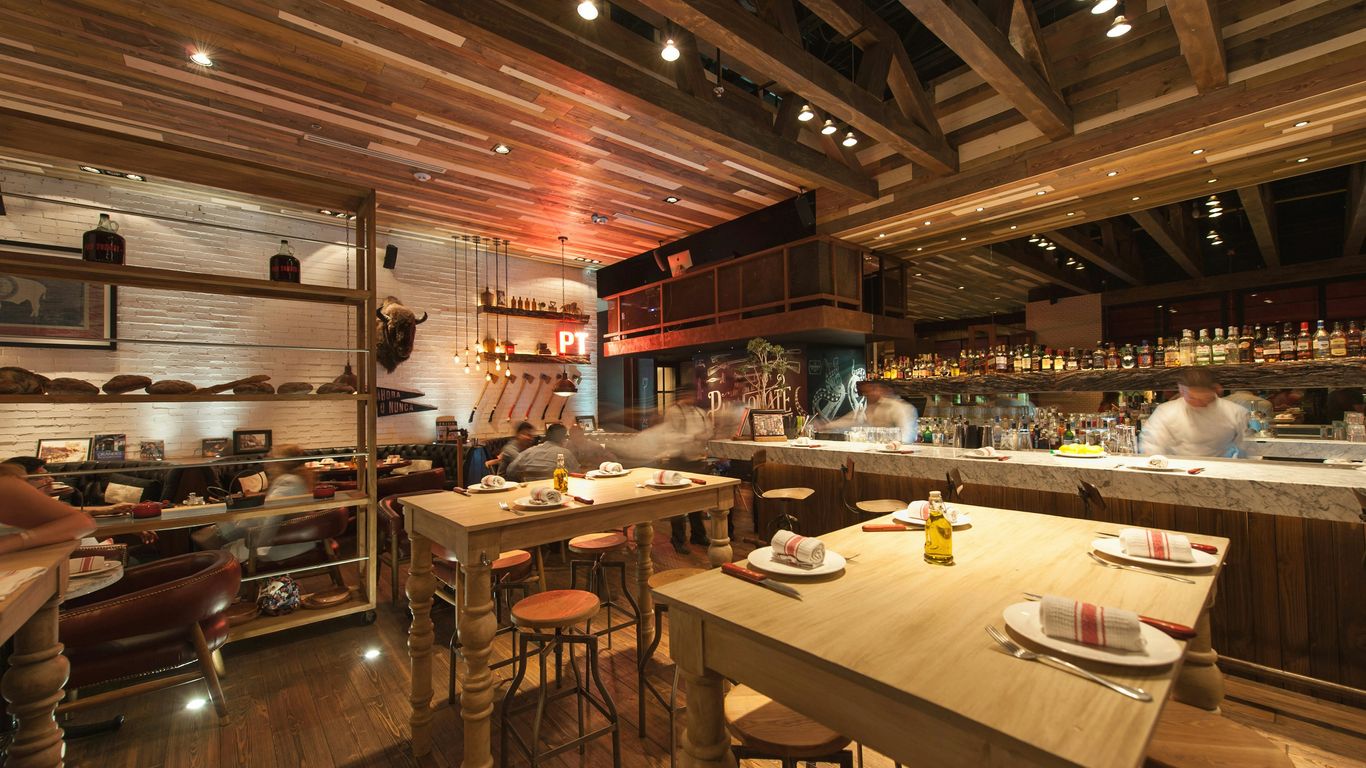
Lobster in an Escargot Dish and Other Plates From Opening Day
When the restaurant was about to open, Forto and Dominic walked St. Louis Magazine through the card, and the descriptions still read like a map of the place. The kitchen tweaks, so ask which plates are running.
Starters began with the classics: eggplant parmesan, calamari fritti and shrimp fra diavolo, joined by a caponata with agrodolce. Mussels from the Faroe Islands and pan-seared scallops turned up in the later write-up.
Pasta carried the opinions. There were standards, tagliatelle bolognese, penne alla vodka and linguine mare e’ monti, and stranger plates. Linguini Vongole Rosso used fresh clams and chopped clams in a white wine tomato sauce instead of the usual clam sauce, because, as Dominic put it, sometimes the best pastas are the simplest ones.
Main courses mixed the familiar with the unfamiliar. Dominic was proudest of the chicken cacciatore, with mushroom, onion, bell pepper, green olive and a rosemary tomato sauce, a dish few St. Louis restaurants serve and one he planned to lead the secondi section. Pork tenderloin pizzaiola brought medallions with onion, capers, oregano, basil, mozzarella and a white wine tomato sauce. And a handful of steaks and fresh fish rounded it out, among them a pan-seared halibut Livornese with capers and olives, baked al forno in a sherry wine tomato reduction.
Is the pasta at Osteria Forto fresh or dried?
It depends on the dish, and the person who says so is the chef. In the interview St. Louis Magazine ran before the restaurant opened, the team had tried several brands and found La Molisana the most consistent dried pasta. Dominic added that the company owns its own wheat fields and has a dedicated natural water source, which gives it better control. La Molisana costs more, Forto said, and he thinks it is the best product in Italy.
The same man is picky about everything else. The team tried several pancettas and Forto said the flavor still was not right. He cooks with a sherry he has been using for 40 years. His Rigatoni Carbonara Americana, described before opening, is the funniest proof: he was still searching for a guanciale he loved, so he used thick-cut American bacon, smoked rather than cured. Fresh pasta has its fans, and he is not trying to talk you out of it. He is telling you the kitchen chooses plate by plate, which is a good habit to borrow when you order.
Unrelated, but Cheltenham has a St. Louis backstory worth the detour.
What should two people order?
Order by mood. If you want comfort, ask for the chicken cacciatore. If you want the sea, ask for the Linguini Vongole Rosso, or the lobster al forno if it is running. If you want a little theater, ask for the halibut Livornese. If one of you wants a steak, the other can take a pasta and split bites. Start with the calamari fritti, and share it while the bread disappears.
Then ask what is running as a special. Before opening, Dominic said the family planned to use specials to test sauces and dishes that are unfamiliar on local menus, including pesto made the way they do in Sicily, with capers, eggplant and sundried tomatoes. Tell your server about any allergy or diet when you book, so the kitchen can plan around you.
Wine, Cocktails and Happy Hour
Dominic is a Level 1 sommelier. Before the restaurant opened he said a lot of American wine drinkers eat out this way, so the list might run about 70 percent American and 30 percent Italian, with an Italian bottle suggested for anyone who likes a particular American one.
The cocktails were built to move. Dominic described the program as quality-based but geared for speed, with no ingredients or long builds that stall a busy dining room. Happy hour runs Tuesday through Thursday from 4:00 PM to 7:00 PM.
Dessert: Liz’s Half of the Kitchen
Liz Pietoso is the pastry chef, and the desserts are made in house from scratch. When the restaurant opened, her list included a tiramisu, a panna cotta in seasonal flavors, a chocolate cake she calls the Tre Amici, with peanut butter buttercream, salted caramel sauce and chocolate ganache, plus several flavors of gelato and a seasonal fruit sorbet. The tiramisu also appears on the restaurant’s catering page, built from espresso, lady fingers, sweet mascarpone cream, marsala and cocoa. Ask what Liz has on tonight.
Split one. Or don’t.
Can you host a party at Osteria Forto?
Yes, in two ways. The restaurant offers a private dining area on its enclosed patio for gatherings that call for a warm, inviting setting with a little extra space. And it caters: corporate lunches, an intimate dinner, a celebration with family and friends, with chef-crafted Italian dishes made with the same care as in the dining room. The catering page lists chicken piccata with mushrooms in a white wine lemon butter sauce, rigatoni bolognese, and cavatappi con salsiccia, with Italian sausage, sweet peppers and a vodka tomato cream sauce under pecorino romano. The team will customize a menu to your guest count.
The practical rules are on the page. Catering orders need 48 hours’ notice, a $250 minimum applies before tax and fees, and delivery adds a fee that depends on the county. A half pan serves 8 to 10 people and a full pan serves 16 to 20, which makes the math easy. Take a full pan of chicken piccata at $240, a full pan of rigatoni bolognese at $140 and a full pan of Forto salad at $100: that is $480 before tax and delivery for a dinner that serves 16 to 20, or roughly $24 to $30 a guest. Planning something bigger? Our guide to event venues in St. Louis compares rooms by size and by what they publish about price.
When is Osteria Forto open, and how do you get a table?
Osteria Forto is at 2509 Highway K, O’Fallon, MO 63368. It serves dinner Tuesday through Thursday from 4:00 PM to 9:00 PM and Friday and Saturday from 4:00 PM to 10:00 PM. The number is 636-294-1435, and a call is the surest way to ask about a table, especially on a Friday or Saturday.
The room sits on a corridor Dominic once described as busy at all hours of the day and night, in a space that used to be a sports bar. There is a patio, and before opening the family said it might become a heated, four-season seating area. If you want the most relaxed table in the building, ask about the bar. If you want to be fussed over a little, tell them it is an anniversary.
Where Osteria Forto Fits in St. Louis Italian
The restaurant lists its press on its own site, and the list is long: coverage from the St. Louis Post-Dispatch, St. Louis Magazine, Sauce Magazine and St. Louis Homes & Lifestyles. Hungry for more of the metro’s red-sauce landscape? Our guide to the best Italian food in St. Louis covers The Hill and well beyond, and you can check Osteria Forto’s own pages at osteriaforto.com before you drive out.
Planning your table at Osteria Forto? Call 636-294-1435 before you drive out, and find more places to eat across the metro on St Louis Near Me Directory.
If you’re the owner of a dining room like this one, your menu has to be words, not a photo. A search engine can’t read a menu that is a picture, and neither can the AI assistant your next guest asks where to eat. A Gold listing puts your dishes, hours and photos where both can read them, for under a dollar a day with a 7-day trial, and every guest who finds your table is a customer you did not have to chase. See what a Gold listing includes →
Frequently Asked Questions
What does osteria mean in Italian?
Osteria means a place serving wine and specialty food, according to St. Louis Homes & Lifestyles, which wrote up Osteria Forto. Historically it meant a humble, rustic, good-value eatery. Today an osteria is more likely to be trendy and pricey, though still good quality, says travel writer Rick Steves.
What's the difference between an osteria and trattoria?
Rick Steves says a trattoria is usually a casual family-owned place serving home-cooked meals, while an osteria used to be a humble, rustic, good-value eatery and is now likely to be trendy and pricey. The two overlap a lot. Osteria Forto, a family-run kitchen with a wine-first name, borrows from both.
What are the three types of Italian restaurants?
The three names you will see most are ristorante, trattoria and osteria. A ristorante is generally more formal and upscale, a trattoria is usually a casual family-owned place serving home-cooked meals, and an osteria is a wine-first place that used to be humble and is now often trendy and pricey, according to Rick Steves.
What is a menu with one price for the entire menu?
That is a prix fixe menu: a restaurant meal offered at a fixed price, as Cambridge Dictionary defines it. If a restaurant offers one, expect the menu to say so, and ask before you book whether a set-price dinner is available for a holiday or a private party.
What are Osteria Forto’s hours?
Osteria Forto serves dinner Tuesday through Thursday from 4:00 PM to 9:00 PM and Friday and Saturday from 4:00 PM to 10:00 PM, and its website lists happy hour Tuesday through Thursday from 4:00 PM to 7:00 PM. It is at 2509 Highway K in O’Fallon, and the phone number is 636-294-1435.

Written by a dedicated team of St. Louis locals who live, work, and play right here in the St. Louis metro. Founder Lane Forman and team are committed to building the region’s most trusted directory by verifying listings and connecting local businesses with loyal customers across Missouri and Illinois.