Find Top-Rated St Louis Auto Repair Near Me: Your Guide to Quality Service
Revised September 13, 2026

How do I find a good auto repair shop in St. Louis?
To find a good St. Louis auto repair shop, start with the local automotive directory to compare nearby shops, then vet each one: read recent Google and Yelp reviews, confirm ASE-certified technicians and relevant experience, and ask for a written estimate that breaks out parts and labor. Get two or three quotes for bigger jobs, keep records of every service, and build a relationship with one trusted mechanic for routine maintenance so problems get caught early.
Keep reading ↓💥Organizations, auto repair shops, and community groups are welcome to link to and share this blog with their members, customers, and friends if they believe it will help more drivers find top-rated St. Louis auto repair services near them.
The check engine light flicks on halfway across the Poplar Street Bridge, and suddenly you need a mechanic you've never met. Finding a good one across a metro this spread out can feel like a treasure hunt. If you're in the St. Louis area and asking, 'Where can I find reliable St Louis auto repair near me?', this guide is built to answer exactly that.
Below, you'll find how to sort the options, spot a shop that does honest work at a fair price, and get your ride running smoothly again.
Key Takeaways
When looking for St Louis auto repair near me, checking out local options is super smart. They know the area and can often be more responsive.
Don't just pick the first shop you see. Take a minute to look at reviews and see what other people are saying about their experiences.
Always ask for a clear estimate before they start work. You want to know what you're paying for, plain and simple.
Make sure the shop has the right certifications and that their mechanics have solid experience, especially with your car's make and model.
Keeping good records of your car's service history helps you and future mechanics understand its needs better.
Finding Quality St Louis Auto Repair Near Me
 Finding Quality St Louis Auto Repair Near Me
When your car starts acting up, you don't want to lose an afternoon hunting for a mechanic you can trust. St. Louis is spread out, and a shop that’s both close and reliable isn't always easy to spot. What follows cuts through the noise so you can find the right place fast, and get your ride running smoothly again.
Why Choosing Local Matters for Auto Service
Convenience is the obvious reason to pick a local auto repair shop, but it's not the only one. Local shops tend to understand the problems tied to our region's climate and rough winter roads. And supporting them puts money back into the community you live in.
These shops are usually run by folks who live right here, and they tend to care a bit more about their reputation among their neighbors. It's often easier to build a relationship with a local mechanic, which can lead to better service and more personalized attention for your vehicle.
Navigating the Directory for Auto Repair
So how do you actually find these shops? A directory like the St Louis Near Me Directory does a lot of the legwork for you. Think of it as a list of area businesses broken down by category. For auto repair, you'll find shops listed under the 'Automotive' section. These listings connect you directly with service providers who are actively looking to serve customers in St. Louis and the surrounding Missouri and Illinois areas. Less endless scrolling, less guesswork, and a faster path to a shop that can actually help.
What to Look for in a St Louis Auto Repair Shop
When you're looking at a shop, keep a few things in mind. First off, check out their specialties. Some shops are great for general maintenance, while others might focus on specific makes or types of repairs, like transmissions or electrical systems. Look for clear communication and a willingness to explain what's wrong with your car. A good mechanic will take the time to walk you through the problem and the proposed solution without making you feel rushed or confused. Also, consider how long they've been in business and if they have any certifications. A shop that's been around for a while and has certified technicians often means they have a solid track record and the know-how to handle your car's needs.
Understanding Your Auto Repair Needs
 Understanding Your Auto Repair Needs
A funny noise on startup. A check engine light that's been glowing for a week. These are the moments that send most of us looking for a shop. Before you start stressing about the cost or where to take it, it helps to understand what might be going on under the hood.
Common Car Issues and When to Seek Repair
Cars are complex machines, and over time, parts just wear out. Some issues are minor annoyances, while others can turn into big problems if ignored. Here are a few common things to watch out for:
Brakes: Squealing, grinding, or a soft pedal are clear signs your brakes need a look. Don't wait on this one – your safety is on the line.
Tires: Uneven wear, bulges, or constant low pressure mean it's time for new tires or at least a rotation and alignment.
Engine: Strange smells, rough idling, or warning lights usually point to something more serious under the hood.
Exhaust: Loud noises from the back of your car or a rotten egg smell could mean a leak or a catalytic converter issue.
The key is to not ignore those little signs. A small fix now can prevent a much larger, more expensive repair down the road.
Preventative Maintenance for Your Vehicle
Think of preventative maintenance like going to the doctor for a check-up. It's all about catching potential problems before they become actual problems. Regular check-ups can save you a lot of headaches and money in the long run.
Here are some basics:
Oil Changes: This is probably the most common one. Fresh oil keeps your engine running smoothly. Stick to the schedule recommended in your owner's manual.
Tire Rotations: Helps your tires wear evenly, making them last longer and improving your car's handling.
Fluid Checks: Coolant, brake fluid, power steering fluid – they all play a role. Make sure they're at the right levels and aren't leaking.
Filter Replacements: Air filters and cabin filters get dirty over time, affecting your engine's performance and the air you breathe inside the car.
Signs Your Car Needs Professional Attention
Sometimes, it's obvious your car needs help. Other times, it's a bit more subtle. Trust your gut feeling if something seems off.
Here are some red flags:
Warning Lights: That dashboard light isn't just for decoration. If it's on, something needs checking.
Unusual Noises: Clunks, rattles, grinding, or squealing sounds are your car's way of telling you something's wrong.
Changes in Performance: If your car feels sluggish, hesitates, or handles differently, it's time for a mechanic.
Leaks: Puddles under your car are never a good sign. Different colored fluids can indicate different issues.
Smells: Burning smells, a strong gasoline odor, or even a sweet smell can point to specific problems.
This isn't about being paranoid behind the wheel. Catching the warning signs early keeps you, and everyone sharing the road, safer. Handle the small issues promptly and your car stays dependable.
How to Choose the Best Auto Repair Service
You've got a symptom, maybe even a diagnosis. Now comes the harder part: finding a mechanic who's honest, skilled, and fair on price. That search can feel like a big task — our guide on how to find a trustworthy auto repair shop in St. Louis breaks the vetting down step by step. Here’s the short version.
Reading Reviews and Testimonials
This is probably the easiest place to start. Think of it like checking Yelp before trying a new restaurant. You want to see what other people in St. Louis are saying about their experiences. Look for patterns in the reviews – are multiple people mentioning great customer service, fair pricing, or quick turnaround times? Also, pay attention to how the shop responds to negative reviews. A business that addresses complaints professionally shows they care about their customers.
Look for detailed reviews: Vague comments like “good service” aren't as helpful as specific ones.
Check multiple sources: Don't just rely on one website. Look at Google reviews, Yelp, and any local directories you can find.
Consider the date of reviews: More recent feedback is usually more relevant.
Comparing Quotes and Services Offered
Once you've narrowed down your options, it's time to get specific. Don't be afraid to call a few different shops for a quote on the work you need done. It's a good idea to get at least two or three estimates. When you call, ask for a breakdown of the costs, including parts and labor. Also, clarify what services they specialize in. Some shops are great with general maintenance, while others might have a niche, like working on specific makes or types of repairs (e.g., transmissions or electrical systems).
Here’s a quick way to compare:
Service Needed | Shop A Quote | Shop B Quote | Shop C Quote |
|---|---|---|---|
Oil Change | $50 | $55 | $48 |
Brake Pad Replacement (Front) | $300 | $320 | $290 |
Tire Rotation | $25 | $30 | $25 |
Verifying Certifications and Experience
While online reviews are helpful, there are other ways to gauge a shop's reliability. Look for certifications like those from the Automotive Service Excellence (ASE). This means their technicians have passed rigorous tests and have proven their knowledge. Also, consider how long the shop has been in business. A long-standing business often means they've built a solid reputation over time. Don't hesitate to ask about the experience of the mechanics who will be working on your car.
What to Expect During Your Auto Repair Visit
You've booked the appointment, and now you're wondering what happens once you hand over the keys. It can feel a little daunting. Here's the reassuring part: most reputable shops follow a straightforward routine, and knowing the steps makes the whole visit smoother.
The Diagnostic Process
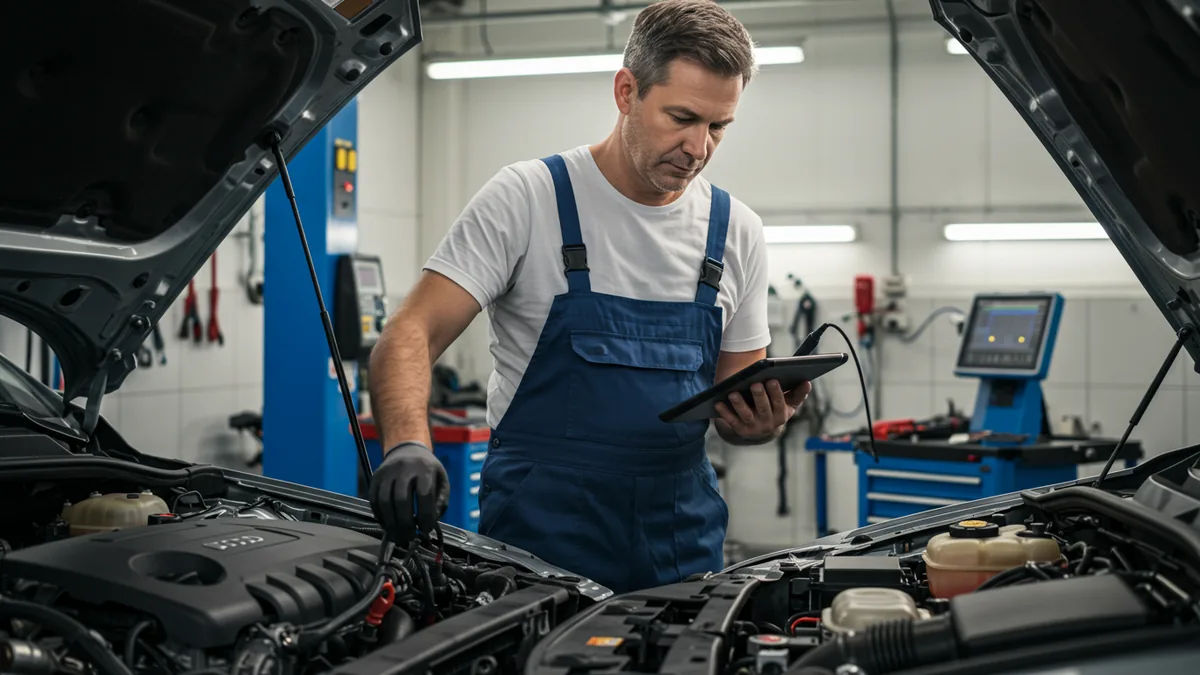
First, the shop needs to pin down what's actually wrong. This is the diagnostic process. Plugging in a computer is part of it, sure. But a good mechanic does more: they listen to your description, maybe take the car for a quick spin, and run a visual inspection. They're hunting for clues to pinpoint the issue. Sometimes it's obvious, like a flat tire. Other times it's detective work, especially with weird noises or intermittent problems.
Listen to your description: Be as detailed as possible about when the problem started, what it sounds like, and when it happens.
Visual inspection: They'll look under the hood, check tires, brakes, and other visible components.
Computer diagnostics: Many modern cars have onboard computers that can store error codes indicating specific issues.
Test drive: Sometimes, the best way to understand a problem is to experience it firsthand.
Understanding Repair Estimates
Once they've diagnosed the problem, you'll get an estimate. This is super important. Don't be afraid to ask questions about it. A good estimate should break down the costs, including parts and labor. It should also give you an idea of how long the repair might take.
Here’s what you should typically see:
Parts: A list of the parts needed and their individual costs.
Labor: The estimated hours of work and the hourly labor rate.
Taxes and Fees: Any additional charges.
Total Estimated Cost: The final price you can expect.
Get that estimate in writing before you authorize any work. A written estimate protects you and the shop if the final bill ever comes up for debate.
Communication with Your Mechanic
Clear communication is key to a good repair experience. Your mechanic should be willing to explain what's wrong with your car in terms you can understand. They should also let you know if they find anything else that needs attention beyond the original issue. If they discover a new problem, they should contact you before doing any additional work, especially if it will increase the cost significantly. Building a relationship with a trusted mechanic means you can rely on their advice and feel confident about the service you're receiving. Finding a good local shop can make all the difference for your vehicle's regular car service.
Totally unrelated, but if lunch just crossed your mind — where to eat in Jerseyville.
Remember, you're the customer, and you have the right to understand what's happening with your car and why you're being charged a certain amount.
Beyond Basic Repairs: Additional Auto Services
Tire Services and Replacement
Your tires are literally what keep you connected to the road, so taking care of them is a big deal. When you notice your tires are looking a bit bald, or maybe they're just not gripping like they used to, it's time to think about replacements. A good mechanic can help you figure out what kind of tires are best for your car and your driving habits here in St. Louis – whether you need something for those occasional snowy days or just reliable all-season rubber. They can also check your tire pressure and make sure they're wearing evenly.
Brake System Maintenance
Brakes are another one of those “can't live without” systems on your car. If you're hearing any squealing or grinding when you brake, or if your brake pedal feels mushy or goes too far down, get it checked out ASAP. Regular brake inspections can catch small issues before they become big, expensive problems. This usually involves checking the brake pads, rotors, and fluid. Keeping your brakes in good shape is seriously important for your safety.
Oil Changes and Fluid Services
This is probably the most common maintenance item, but it's super important. Getting your oil changed regularly, along with other fluids like coolant and transmission fluid, keeps your engine running smoothly and prevents overheating. Think of it like giving your car a regular tune-up. Most manufacturers have a recommended schedule for these services, and your mechanic can help you stick to it. It’s a simple way to extend the life of your vehicle.
Maximizing Your St Louis Auto Repair Experience
You've found a great auto repair shop in St. Louis. Now the goal shifts: get the most out of that relationship and keep your car running smoothly for years to come. That takes more than calling only when something breaks. The owners who spend the least are usually the ones who stay a step ahead.
Keeping Records of Your Vehicle's Service History
Think of your car's service history like its resume. It tells a story about how it's been cared for. Keeping good records is super important, not just for your own peace of mind but also if you ever decide to sell your car. You don't need a fancy system; a simple folder or even a digital document will do.
Here's what you should keep track of:
All repair receipts: This includes everything from oil changes to major engine work.
Maintenance schedules: Note down when things like tire rotations, brake checks, and fluid flushes are due.
Warranty information: Keep any paperwork related to parts or services that are still under warranty.
Diagnostic reports: If your mechanic provides a report after checking something out, save it.
This organized history helps you and your mechanic spot patterns, understand recurring issues, and proves you've been a responsible car owner. Plus, a well-documented history can seriously boost your car's resale value.
Building a Relationship with Your Mechanic
Finding a mechanic you trust is like finding a good friend – it takes time and effort, but it's totally worth it. When you have a regular shop you rely on, they get to know your car inside and out. They'll remember that weird little noise it makes on cold mornings or that one time the check engine light flickered.
Be honest and clear: When you bring your car in, explain the problem as best you can. Don't downplay symptoms, even if they seem minor.
Ask questions: Don't be afraid to ask your mechanic to explain what they're doing and why. Understanding the work builds trust.
Be respectful of their time: While they work for you, remember they have other customers too. Try to schedule appointments in advance and be patient.
Communicate preferences: If you have a preference for certain parts (like OEM vs. aftermarket) or if you want to approve any work over a certain dollar amount, let them know upfront.
A good relationship means better communication and more personalized care for your vehicle.
Tips for a Smooth Repair Process
Nobody enjoys having their car in the shop, but you can make the experience a lot less stressful with a few simple strategies. It's all about setting expectations and being prepared.
Get a written estimate: Always ask for a detailed written estimate before any work begins. This should include parts, labor, and any taxes.
Understand the timeline: Ask how long the repair is expected to take. If it's going to be longer than initially thought, make sure they communicate that to you promptly.
Ask about loaner cars or shuttle service: If you need transportation while your car is being fixed, inquire about these options. Some shops offer them, while others might partner with rental car companies.
Review the final bill: Before you pay, take a moment to compare the final bill with the original estimate. Make sure all charges are accounted for and explained.
Getting your car fixed in St. Louis doesn't have to be a hassle once you know what to ask for and what to expect at each step. Want more on making your auto repair visits easier? Visit our website today for all the details!
Find Your Shop Before You Need One
The best time to find a mechanic is before your car actually needs one. Line up a shop while everything runs fine, and you're making a calm choice instead of a panicked one from the shoulder of I-70. Read a few reviews, ask whether the techs are ASE-certified, and hand them one small job to see how they treat you. Do that homework early, and the surprise bills mostly disappear.
Keeping your car clean protects its value between repairs — see our guide to auto detailing in St. Louis.
Ready to find a mechanic you can trust? Browse the St Louis Near Me automotive directory to compare local repair shops across the metro - read reviews and reach out before you hand over the keys.
If you run a business in this trade, put your business on the map. What’s the plan when the referrals slow down - hope? You do good work. Why should getting more customers cost you a fortune and your trust? Find out →
The question worth asking is how to pick a shop before you need one, and the fastest version of it is to learn the red flags when choosing an automobile repair shop: a price quoted before anyone has looked, an estimate with vague line items, pressure to authorize on the spot. A shop that prices a repair without looking is guessing with your money.
Frequently Asked Questions
What's the difference between regular maintenance and a repair?
Think of maintenance like going to the doctor for a check-up to stay healthy. It's things like oil changes and tire rotations to keep your car running smoothly. A repair is like going to the doctor because you're sick – something's broken and needs fixing.
How do I know if my car needs a repair?
Listen for weird noises, pay attention to warning lights on your dashboard, or if your car just doesn't feel right when you drive it. If you notice anything strange, it's best to get it checked out by a pro.
Should I always get multiple quotes for a repair?
It's a really good idea! Getting quotes from a couple of different shops helps you compare prices and makes sure you're getting a fair deal for the work needed. Don't just go with the first one you call.
What does a mechanic mean by 'diagnostics'?
Diagnostics is basically the mechanic's detective work. They use special tools to figure out exactly what's wrong with your car. It's like a doctor running tests to find out why you're feeling sick.
Why is it important to keep records of my car's service history?
Keeping records is super helpful! It shows you (and any future owner) what work has been done on the car. Plus, regular maintenance records can help your car last longer and might even be good for its resale value.
How to find a mechanic that won't rip you off?
Get the same job quoted by three shops and compare the line items, not the totals — an oil change at $50 against $90 usually means different oil or a different filter. Ask for the old parts back; the request alone tells you something about the shop.
How do I know if a mechanic is trustworthy?
They show you the problem, put the estimate in writing before starting, and call before exceeding it. Illinois puts this in statute — under the Automotive Repair Act, no repair over $100 starts without your specific authorisation. Missouri relies more on the shop’s own practice.
How to pick a good auto repair shop?
Match the shop to the job: dealers for warranty and complex electronics, independents for everything else, specialists for transmissions and bodywork. Then check they will diagnose before quoting. A shop that prices a repair without looking is guessing with your money.
What is the 30-60-90 rule for cars?
Scheduled maintenance intervals at 30,000, 60,000 and 90,000 miles, each with its own checklist of fluids, filters and belts. Follow the manufacturer’s schedule rather than a shop’s menu — the two are not always the same, and the difference is usually upsell.
What are the red flags when choosing an automobile repair shop?
Pressure to authorize work before anything has been diagnosed. No written estimate, or one with vague line items instead of parts and labor. Refusal to show you the old part. A price quoted over the phone for a problem nobody has looked at yet. Any one of those is reason enough to call the next shop.

Written by a dedicated team of St. Louis locals who live, work, and play right here in the St. Louis metro. Founder Lane Forman and team are committed to building the region’s most trusted directory by verifying listings and connecting local businesses with loyal customers across Missouri and Illinois.