Finding Transitional Housing in St. Louis, MO: Your Guide to Stability
Revised August 11, 2026

What is transitional housing like?
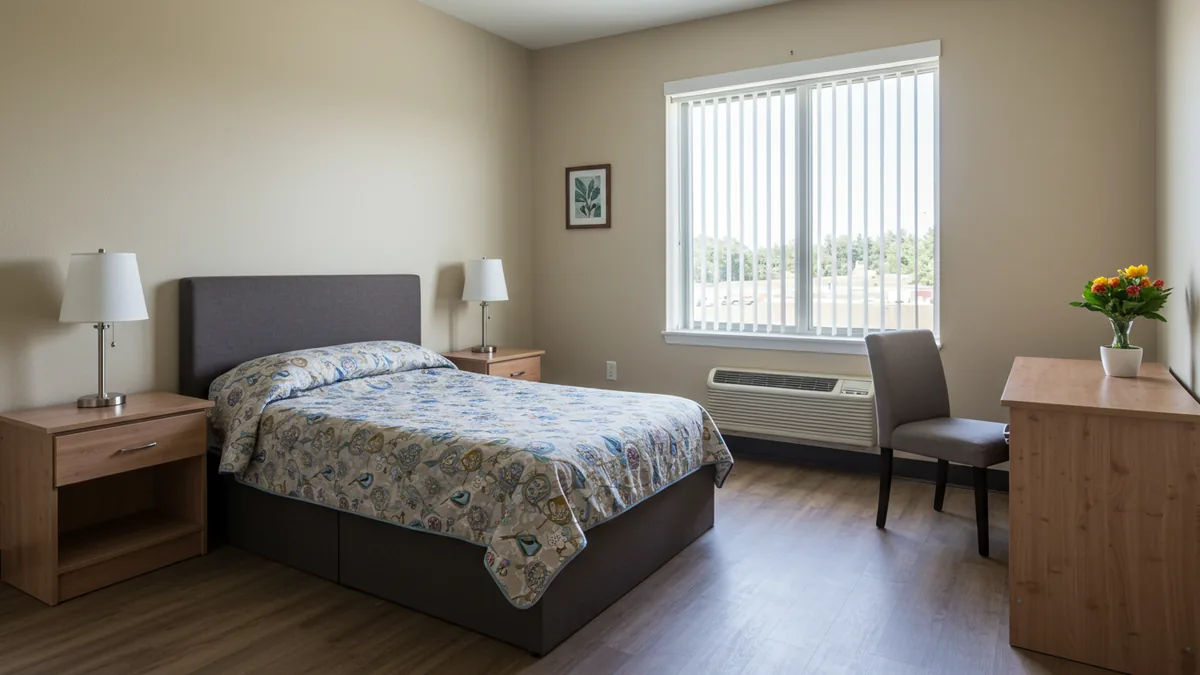
Transitional housing is temporary, supportive housing — usually up to two years — for people moving out of homelessness or crisis toward permanent stability. Unlike an emergency shelter, it typically gives you your own apartment-style space plus wraparound support: case management, job training, budgeting help, counseling, and assistance finding permanent housing. In St. Louis, programs like Hope House, Haven of Grace (families), and Covenant House (youth) pair a safe place to live with the skills to keep it.
Keep reading ↓Finding a safe place to stay can feel overwhelming, especially when you're in St. Louis and need these programs. This guide is here to support you figure out where to start.
We'll walk through the different kinds of housing available, what you might need to apply, and some of the organizations that can lend a hand. It's a lot to take in, but you don't have to go through it alone. Let's look at the resources that can support you get back on your feet.
Key Takeaways
- Transitional housing in St. Louis offers temporary shelter with support services to support you move towards stable housing.
- Various organizations, including non-profits and government agencies, provide these programs options for different needs.
- Eligibility and application processes vary, so it's important to gather necessary documents and understand the requirements for each program.
- Beyond just a roof, many programs offer case management, life skills training, and job assistance to promote long-term success.
- Connecting with local housing authorities and understanding available rental assistance can be a vital step in your housing journey.
Help locals find what you offer
📌 Found this helpful? Keep it — and pass it on.
Bookmark this page and share it with anyone who could use it — a friend or neighbor, or a caseworker, social worker, counselor, donor, or nonprofit walking alongside someone who’s rebuilding.
Every share puts real help in one more person’s hands. That’s exactly why we made it.
Navigating Transitional Housing Options in St. Louis
Finding a stable place to live can feel overwhelming, especially when you're facing challenges. Transitional housing in St. Louis offers a stepping stone, providing a safe environment along with support services to support you get back on your feet. It's not just about having a roof over your head; it's about building a foundation for a better future.
Understanding Transitional Housing
Transitional housing programs are designed to bridge the gap between homelessness or unstable living situations and permanent housing. These programs typically offer temporary accommodation, usually for a period of a few months up to two years. The goal is to give you the time and resources needed to address the issues that led to your housing instability. This might include things like finding employment, improving your education, or dealing with personal challenges. It's a structured environment meant to support you regain independence.
Eligibility and Application Processes
Each these programs program has its own set of requirements. Generally, you'll need to demonstrate a need for housing and a willingness to participate in the program's services. The application process can involve interviews, background checks, and providing documentation about your situation. Some programs focus on specific groups, like veterans, families, or individuals recovering from addiction. It's a good idea to research different programs to find one that fits your needs. You can often find lists of available programs through local social service agencies or by checking resources like Missouri Tenant Help.
Key Organizations Offering Transitional Housing
St. Louis has several organizations dedicated to providing these programs. These groups offer different types of support and serve various populations. Here are a few examples:
- Father Dempsey's House: Offers housing for homeless men, with some meals included.
- Salvation Army Family Haven: Provides emergency these programs for women and children.
- Keyway Center for Diversion and Reentry: Focuses on women reentering the community from correctional facilities.
It's important to remember that these programs are often in high demand. Be prepared to be persistent in your search and to follow up regularly with the organizations you're interested in. Having a clear understanding of your needs and what you're looking for in a program will make the process smoother.
Support Services for Housing Stability
Finding a place to live is just the first step, right? Once you've got your temporary supportive housing sorted, you'll probably want to think about what comes next. This is where a whole bunch of support services can really make a difference in keeping you stable and moving forward. Think of it as building a solid foundation for your future.
Case Management and Counseling
When you're working with temporary supportive housing, you'll often have a case manager. These folks are like your personal guide through the system. They can point you toward figure out what you need, whether it's connecting you with local resources or just talking through challenges. They're there to point you toward set goals and make a plan to reach them. It's not just about the housing itself, but about building the skills and support network you need to thrive.
- Goal Setting: Working with your case manager to define what you want to achieve.
- Resource Connection: Getting linked up with services like job training, education, or healthcare.
- Problem Solving: Having someone to talk to when unexpected issues pop up.
- Advocacy: Your case manager can sometimes point you toward navigate complex systems or speak on your behalf.
Having a dedicated person to help you sort through everything can make a huge difference. It's about having someone in your corner.
Life Skills and Employment Assistance
Transitional housing programs often include help with everyday life skills and finding work. This could mean classes on budgeting, cooking, or even how to interview for a job. Some places might offer workshops on resume writing or connect you with employers who are looking to hire. Getting a steady job is a big part of becoming independent, and these programs are designed to give you a hand up.
- Resume Building: Crafting a resume that highlights your strengths.
- Interview Practice: Getting ready for job interviews.
- Financial Literacy: Learning how to manage your money effectively.
- Job Search Support: Assistance in finding and applying for open positions.
Substance Abuse and Mental Health Support
For many people, getting stable housing also means addressing substance abuse or mental health concerns. Many transitional programs partner with local agencies that can provide counseling, therapy, or support groups. These services are often available right on-site or can be easily accessed nearby. Getting help for these issues is a key part of long-term success. You can find more information about local support through organizations like Community Mental Health Centers.
It's really important to remember that you don't have to go through this alone. There are people and programs in St. Louis ready to help you get back on your feet and build a stable future.
Wildly off-topic — sooner or later you will need dinner in St. Clair.
Specialized Transitional Housing Programs
Sometimes, you need housing that's tailored to specific needs. St. Louis has programs designed to help particular groups get back on their feet. These aren't one-size-fits-all solutions; they're built to address unique challenges faced by veterans, women and children, young people, and those re-entering society.
Resources for Veterans
Veterans have served our country, and St. Louis offers resources to support them. Programs like MOVE: Missouri Veterans Endeavor provide long-term supportive housing and assistance. The Homeless Veterans Program, often connected with the VA, can help with intake, assessment, referrals, and even residential placement. These programs understand the specific hurdles veterans might face and aim to provide a stable environment.
Support for Women and Children
For women and children experiencing difficult situations, like domestic violence, specialized housing is available. Lydia's House, for example, offers temporary supportive housing for up to two years, acting as a bridge from emergency shelters to independent living. Marygrove provides crisis care and transitional housing for children facing homelessness, abuse, or family stress. These places focus on safety and rebuilding for families.
Programs for Youth and Young Adults
Young people transitioning into adulthood can find support through programs designed for them. While specific transitional housing for youth might be less common, organizations often provide case management and connections to housing resources. Marygrove, mentioned earlier, also serves children in crisis, which can include young adults. It's worth looking into general transitional programs that may accept individuals in this age group, often with specific requirements.
Assistance for Justice-Involved Individuals
Re-entry after incarceration presents unique challenges. Organizations like Keyway Center for Diversion and Reentry (formerly Center for Women in Transition) offer scattered-site apartments and support services for women returning to the St. Louis area. Harris House provides a transitional housing program for men and women completing rehab, offering subsidized housing for up to a year. These programs often focus on helping individuals find stable housing and employment, which are key to successful reintegration. You can find more information on re-entry services through local community resources.
Finding the right specialized program often involves understanding the specific eligibility criteria and application processes. Don't hesitate to reach out directly to these organizations to get the most current information and see how they can assist you.
Finding Affordable Housing Solutions
 Finding Affordable Housing Solutions
Beyond transitional housing, St. Louis offers various avenues to secure more permanent, affordable living situations. It's about finding a place that fits your budget and provides stability for the long haul. This section breaks down some of the key programs and resources you can explore.
Rental Assistance Programs
Rental assistance can be a game-changer, helping to bridge the gap between your income and the cost of rent. These programs often work by subsidizing a portion of your monthly rent, making housing more accessible. It's a common pathway for individuals and families looking to maintain stable housing.
- Housing Choice Vouchers (Section 8): Administered by local Public Housing Agencies (PHAs), these vouchers help low-income families, the elderly, and disabled individuals afford decent, safe, and sanitary housing in the private market. You can search for a list of all PHAs in Missouri to find your local contact.
- Community Action Agencies (CAAs): These local organizations are dedicated to fighting poverty and often have programs to help with rent or utility bills. They can be a great first stop if you're facing immediate housing insecurity.
- DMH Rental Assistance Program (RAP): For those receiving behavioral health support services, RAP can offer one-time help with late rent, utilities, or move-in costs like security deposits. This program is designed to prevent homelessness or help you move into safer housing.
Securing rental assistance often involves an application process with specific eligibility requirements. Be prepared to provide documentation of income, household size, and your current housing situation. Patience and persistence are key as waiting lists can sometimes be long.
How to earn trust with a local business listing
First-Time Homebuyer Initiatives
Dreaming of owning a home? St. Louis has programs designed to help make that a reality for first-time buyers. These initiatives often provide financial assistance and educational resources to guide you through the home-buying process.
- Down Payment and Closing Cost Assistance: Many programs offer grants or low-interest loans to help cover the upfront costs of buying a home, which can be a significant barrier.
- Homebuyer Education Workshops: Understanding mortgages, credit, and the responsibilities of homeownership is vital. These workshops equip you with the knowledge needed to make informed decisions.
- Special Loan Programs: Some initiatives offer mortgages with more favorable terms for first-time buyers who meet certain income or credit criteria.
Organizations like Better Family Life often provide assistance for first-time home buyers, offering a range of programs to support your journey to homeownership.
Affordable Apartment Complexes
Beyond specific assistance programs, there are numerous apartment complexes throughout St. Louis that are specifically designated as affordable housing. These properties are often built or subsidized to offer lower rental rates to individuals and families who meet certain income guidelines.
- Low-Income Housing Tax Credit (LIHTC) Properties: These are apartment communities developed with tax credits, making them more affordable for renters. You can often find these listed on resources like the Missouri Affordable Housing Locator.
- Public Housing: Managed by local Housing Authorities, these complexes offer rental units at significantly reduced rates for eligible low-income households.
- Senior and Disabled Housing: Specific complexes cater to seniors or individuals with disabilities, often offering accessible units and amenities tailored to their needs.
When searching for affordable apartments, it's helpful to use online tools that can filter properties by location and affordability. The city's culinary scene is diverse, and you might find affordable housing options near vibrant neighborhoods.
Connecting with St. Louis Housing Authorities
When you're looking for transitional housing, it's a good idea to know about the official housing authorities in the area. These organizations often manage public housing, administer housing choice vouchers, and can be a central point for information about various housing programs. They're a key part of the system that helps people find stable places to live.
St. Louis City Housing Authority
The St. Louis City Housing Authority (SLHA) is a major player in providing affordable housing options within the city limits. They manage public housing developments and also administer the Housing Choice Voucher Program, often called Section 8. If you're looking for rental assistance or a place in a public housing community, SLHA is a place you'll want to connect with. They have specific application processes and eligibility requirements, so it's worth checking out their website or giving them a call.
- Address: 3520 Page Blvd., St. Louis, MO 63106
- Phone: 314-531-4770
- Website: slha.org
St. Louis County Housing Authority
Similarly, the St. Louis County Housing Authority serves residents within the county. They also offer programs like the Housing Choice Voucher Program and manage public housing. The process and availability of programs can differ from the city authority, so if you reside in the county, this is your primary contact. They work to make housing more accessible for low-income families and individuals.
- Address: 8865 Natural Bridge Rd., St. Louis, MO 63121
- Phone: 314-428-3200
- Website: haslc.com
HUD Resources
The U.S. Department of Housing and Urban Development (HUD) is the federal agency that oversees housing programs nationwide. While they don't directly provide housing in most cases, they fund many local programs and offer a wealth of information. Their website is a great place to find out about federal housing initiatives, understand your rights as a tenant, and locate other housing resources in your area. HUD plays a big role in setting standards and providing funding that makes many local housing solutions possible. You can often find links to local HUD offices and resources through their main site.
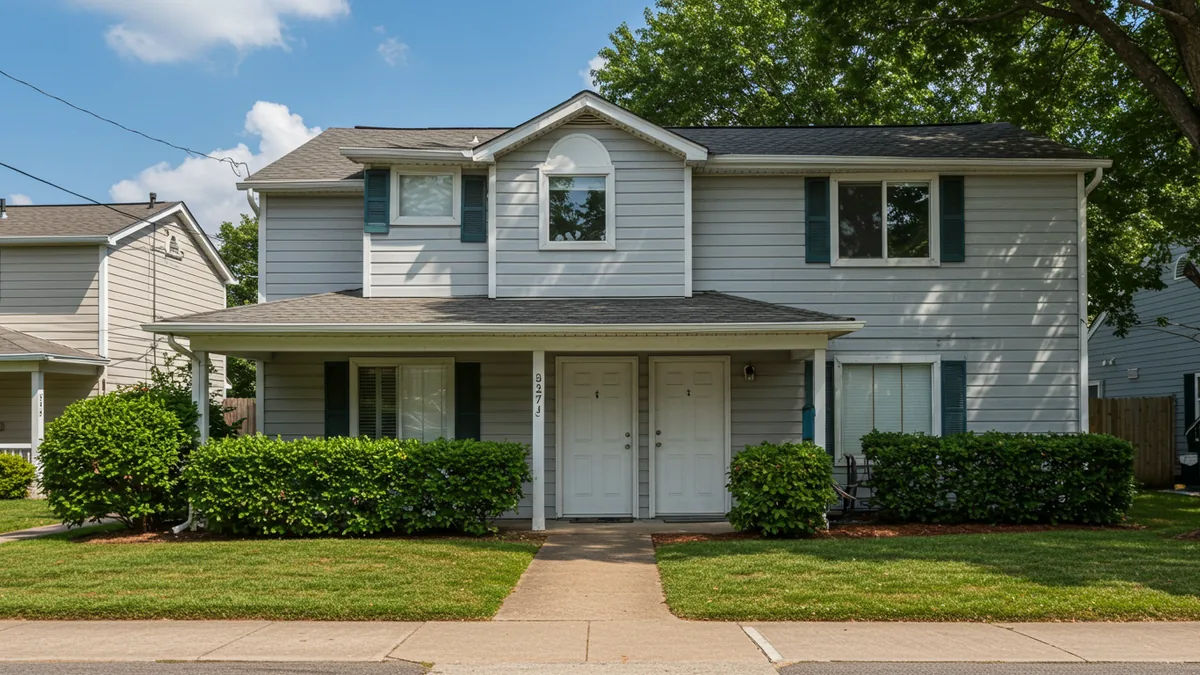
Connecting with these authorities can sometimes feel like a bureaucratic maze, but persistence is key. They are there to help facilitate access to housing, and understanding their specific roles and application procedures is a significant step in your housing search.
For more general information on housing resources and services in the St. Louis area, you might find it helpful to look at local directories that list various organizations. This directory can help you find businesses and services, including those related to housing assistance.
Emergency Shelter and Immediate Needs
When you're facing a housing crisis, finding a safe place to stay right away is the top priority. St. Louis has several organizations that can help you with immediate shelter and basic needs. These places offer more than just a roof over your head; they often provide meals, a chance to clean up, and a supportive environment while you figure out your next steps.
24-Hour Emergency Shelters
These shelters are designed to provide immediate refuge. They can be a lifeline when you have nowhere else to turn. You can typically expect a safe place to sleep for the night, access to restrooms and showers, and sometimes even meals. Some shelters also offer laundry facilities, which can be incredibly helpful.
- St. Patrick Center: Offers shelter along with case management and referrals to other services. They also have an employment program and health services. You usually need to go in person to access their shelter services.
- Gateway 180 Homeless Services: Provides emergency shelter, meals, laundry, and mail services. They also have a permanent re-housing program for those who qualify after enrollment.
- Peter and Paul Center: Offers emergency shelter, temporary housing, and supportive housing options. They also provide health services, mental health support, and meals.
It's important to remember that emergency shelters are for immediate needs. While they offer a safe haven, they are not long-term solutions. The goal is to stabilize your situation so you can move towards more permanent housing.
Food and Hygiene Assistance
Beyond shelter, basic necessities like food and hygiene items are critical. Many of the same organizations that provide shelter also offer these services. You might find options for:
- Meals: Some shelters provide meals on-site, while others can connect you with food pantries or meal delivery services. Operation Food Search can help you find a food pantry near you.
- Hygiene Kits: Access to showers and toiletries can make a big difference. Some centers offer these facilities, and others may provide hygiene kits.
- Clothing: Having clean clothes can be important for job interviews or just feeling more comfortable. Some shelters have clothing closets available.
Crisis Intervention Hotlines
Sometimes, you just need to talk to someone or get quick information. Hotlines can be a great resource for immediate support and referrals. They are staffed by people trained to help you figure out what to do next.
- 2-1-1: This is a general social service hotline that can connect you with housing and other social services in the St. Louis area.
- YWCA Crisis Line: If you are experiencing domestic violence or sexual assault, the YWCA has specific hotlines available to help you. They also have a general crisis line.
- Behavioral Health Response (BHR): For youth in crisis, BHR offers a 24-hour confidential crisis line and text support. They can connect young people and their families with licensed clinicians. You can reach them at 1-844-985-8282 or text BHEARD to 31658. For families with children at risk of homelessness, the Emergency Shelter provides crucial support.
When times are tough, finding immediate help is crucial. We understand the urgency of needing a safe place to stay and essential supplies. Our goal is to connect you with the resources you need, right when you need them most. Don't face challenges alone; visit our website to discover how we can assist you in finding emergency shelter and other vital support.
Wrapping Up Your Search
So, finding a place to stay in St. Louis can feel like a lot, but remember you're not alone in this. We've gone over a bunch of different places and groups that can help, from housing authorities to specific programs for veterans or young adults. It might take some time and a few phone calls, but keep pushing forward. Don't get discouraged if the first try doesn't work out; there are many paths to explore. Reach out to these organizations, ask questions, and take it one step at a time. You've got this.
Need transitional housing now? Call 2-1-1 (or 800-427-4626) or the St. Louis County Emergency Shelter Hotline, and see our guide to how transitional housing works so you know what to expect. If you’re fleeing domestic violence, call the National DV Hotline at 1-800-799-7233 first.
Run a program that helps? If your nonprofit, shelter, or ministry offers housing, food, or support services, list your organization on St Louis Near Me Directory so the families searching this page can find you.
More St. Louis help: This guide is part of our St. Louis Help & Assistance Resources hub — one trusted place for housing, food, jobs, health coverage, utility bills, and legal aid, whether you need help yourself or you’re helping someone who does.
Frequently Asked Questions
Who qualifies for transitional housing in St. Louis?
Eligibility varies by program, but transitional housing generally serves people leaving homelessness, domestic violence, incarceration, or other crises — including families, women and children, youth, and individuals working toward stability. Most programs ask about your situation, income, and readiness to take part in support services. Call the program directly (or 2-1-1) to check current openings and requirements.
How long can you stay in transitional housing?
Most programs allow stays of up to two years. The idea is a supported bridge to permanent housing — long enough to build income, skills, and a plan, but time-limited by design. Some are shorter; ask each program about its length and what’s expected while you’re there.
What documents do I need to apply for transitional housing?
It varies, but commonly a photo ID for each household member, proof of income or benefits (or an explanation if you have none), and sometimes documentation of your situation (an eviction notice, referral, or crisis). Many programs help you gather what’s missing — don’t let paperwork stop you from calling to ask.
Does Hope House St. Louis offer housing assistance?
Yes — St. Louis Transitional Hope House (hopehousestl.org, 314-382-3801) provides transitional housing plus healthcare, job training, and other resources for people who are unhoused or at risk. It’s one of several St. Louis programs; Gateway180, Haven of Grace, Covenant House, and Salvation Army Family Haven serve different groups.
How can I refer someone to transitional housing?
Call 2-1-1 or a specific program together to check openings, help them gather basic documents (ID, any proof of income), and offer to sit in on the intake call. If they’re fleeing domestic violence, contact a DV shelter or the National DV Hotline (1-800-799-7233) first. Sharing this guide with the person — or the caseworker helping them — is a good start.
What is transitional housing, and how is it different from a regular apartment?
Think of transitional housing as a stepping stone. It's a place where you can live for a limited time while you get back on your feet. Unlike a regular apartment, transitional housing often comes with support services like job training or counseling to help you become more independent.
How do I know if I qualify for transitional housing?
Each program has its own rules, but generally, you might qualify if you're facing homelessness, have a low income, or are coming out of a difficult situation like escaping domestic violence or leaving a correctional facility. It’s best to contact the specific organizations to learn about their requirements.
What kind of support can I expect in transitional housing?
You can often get help with things like finding a job, learning new life skills, managing your money, and getting support for mental health or substance abuse issues. Some programs offer case managers who will work with you one-on-one to reach your goals.
How long can I stay in transitional housing?
The length of stay varies, but it's usually for a set period, often up to two years. The goal is to help you gain the stability you need to move into permanent housing.
What if I need immediate shelter tonight?
If you need a place to stay right away, look for 24-hour emergency shelters. Organizations like Gateway 180 or Peter and Paul Community Services offer immediate shelter and can help you connect with other resources.
Where can I find information about affordable apartments or rental assistance?
Several places can help! The St. Louis City and County Housing Authorities offer programs, and organizations like Horizon Housing Development Company or Habitat for Humanity might have options or assistance for finding affordable places to live.

Written by a dedicated team of St. Louis locals who live, work, and play right here in the St. Louis metro. Founder Lane Forman and team are committed to building the region’s most trusted directory by verifying listings and connecting local businesses with loyal customers across Missouri and Illinois.