St. Louis Help & Assistance Resources: Housing, Jobs, Food, Utilities & More
Revised August 29, 2026

Where can I get help in St. Louis?
St. Louis has free, confidential help for housing, food, jobs, utility bills, legal issues, and safety. Start by dialing 2-1-1 (or 800-427-4626) — a 24/7 line that connects you to local programs. For domestic violence, call 1-800-799-7233; for older adults, the Missouri Senior Resource Helpline is 1-800-235-5503. This page gathers trusted local guides on housing, jobs, food, utilities, shelters, and legal aid so you — or someone you’re helping — can find the right door fast.
Keep reading ↓Everyone needs a hand sometimes — and everyone knows someone who does. Maybe you’re trying to find stable housing, keep the lights on, land a job, or put food on the table this week. Or maybe you’re the one someone leans on — a parent, a friend, a neighbor, a mentor, a volunteer, a donor, a church, or a nonprofit trying to point people toward real help. Either way, you’re in the right place.
This page gathers St. Louis’s most useful, no-cost help — housing, rent and shelter, jobs, food, health coverage, utility bills, safety, and legal aid — into one place you can bookmark and share. Below you’ll find the phone numbers to call first, then plain-English guides to each kind of help. We made it so you can find the right door fast, whether the person who needs it is you or someone you care about.
Asking for Help Is a Strength, Not a Failure
Before anything else, hear this: needing help doesn’t mean you’ve done something wrong. Jobs disappear, rent climbs, health falters, relationships break, and hard seasons come for good people who were doing everything right. The programs on this page exist precisely because your neighbors, your city, and dozens of local nonprofits believe no one should face a rough stretch alone. Reaching out early — before a small problem becomes a crisis — is one of the smartest, bravest things a person can do. And if you’re reading this for someone else, the fact that you’re looking already tells them they matter. Whatever brought you here, you belong in this city’s circle of care — and there is no shame in taking what’s offered.
Start Here: The Numbers to Call First
When you’re not sure where to begin, these free, confidential lines connect you to the right local program:
- 2-1-1 (or 800-427-4626) — United Way’s 24/7 helpline for housing, food, utilities, and more across the St. Louis region. One call, many resources.
- National Domestic Violence Hotline: 1-800-799-7233 (text START to 88788) — 24/7 and confidential. In immediate danger, call 911.
- Missouri Senior Resource Helpline: 1-800-235-5503 — connects older adults to local aid. Report elder abuse at 1-800-392-0210.
- St. Louis County Emergency Shelter Hotline — for anyone facing a housing crisis or homelessness.
- FindHelp.org — a free national tool: enter your ZIP code for local food, housing, and health programs. See how FindHelp.org works.
Save these numbers in your phone even if you don’t need them today — the best time to know where help lives is before you’re in the middle of a crisis. And if you’re helping someone else, program them into their phone too, or write them somewhere they’ll find them. A single number, dialed at the right moment, has changed the course of many hard nights.
Housing & Shelter
Whether you need a safe place tonight or an affordable place for the long term, the path is different for each situation — so we wrote a clear guide for each:
- Behind on rent or facing eviction? See emergency rent assistance in St. Louis — the hotlines and programs that pay back rent and stop evictions before you lose your home.
- Need a safe place tonight? Our guide to emergency homeless shelters in St. Louis shows who to call for a bed and which shelters serve families, women, men, and youth.
- In crisis or rebuilding? Start with how transitional housing works and helps you build stability, then the directory of local transitional-housing programs (who to call, what each offers).
- Fleeing domestic violence? See our guide to St. Louis women’s shelters and safety resources — free, confidential, and open to you and your children.
- Looking for affordable long-term housing? Learn the difference between income-based (Section 8) housing, low-income (tax-credit) housing, and how to find and afford an apartment that fits your budget.
A quick orientation: housing help runs on a spectrum. Emergency shelter is for tonight; transitional housing is a supported bridge of up to two years; and income-based, low-income, and affordable apartments are longer-term homes where rent is often tied to what you earn. Most long-term programs have waitlists, so the single best move is to apply to several at once and apply early — being on a list costs nothing and keeps your options open. Each guide above walks you through eligibility, the documents you’ll need, and exactly who to call.
Jobs & Income
A steady paycheck changes everything. These guides meet people where they are — and every one points to real openings on the St. Louis Near Me jobs board:
- Rebuilding after a record? Finding second-chance, felon-friendly jobs — who’s hiring on skills, not background.
- Older and want to keep working? Explore fulfilling jobs for adults over 60, part-time work for retirees, and flexible and work-from-home options.
Here’s the encouraging truth: there is meaningful work available at nearly every age and in nearly every circumstance, and many St. Louis employers actively value experience, reliability, and second chances over a picture-perfect resume. Free coaching is out there too — local workforce centers, AARP’s job resources, and re-entry programs help with resumes, interviews, and connections. Start with one guide above, claim a couple of free job-search profiles, and remember the first step is usually just one phone call or one application.

Food
No one in St. Louis should go hungry. Our guide to free food giveaways and pantries happening today maps where to get groceries and meals near you — most with no appointment, no proof of income, and no questions asked. Beyond one-time giveaways, food pantries, mobile markets, and community meals run all week across the metro, and monthly benefits stretch a grocery budget even further — see how to apply for SNAP (food stamps) in Missouri, and ask about WIC for pregnant women and young children. Families with little ones can also get free diapers and baby supplies through the St. Louis Area Diaper Bank. Whether you need a bag of groceries today or a longer-term plan, these guides show you where to go and what to expect — and there’s no shame in using them.
Health Coverage & Care
Health care shouldn’t depend on whether you can afford insurance. Since Missouri expanded Medicaid, many more adults now qualify for free or low-cost coverage — see how to apply for Medicaid (MO HealthNet), including who qualifies now and where to get free enrollment help. Even if you don’t qualify, community health centers across the metro — like Affinia Healthcare, CareSTL Health, and Family Care Health Centers — treat everyone on a sliding fee scale based on income, insured or not, so a checkup or prescription stays affordable.
Three more guides round out the health picture. If medication costs are the problem, prescription assistance in St. Louis covers nonprofit pharmacies, free discount cards, and patient-assistance programs. To see a doctor with no insurance at all, start with our guide to free and low-cost health clinics. And for emotional and behavioral health, free and low-cost mental health and substance-use help lays out crisis lines and sliding-scale counseling. If a disability is keeping you from working, our guide to applying for disability benefits (SSI & SSDI) walks through the process and the free local help available.
Sexual health is part of the picture too, and it can be the hardest thing to ask about. If you need testing, our guide to free and low-cost HIV & STI testing across the metro covers discreet, county, and free at-home options. For anyone living with a diagnosis, living with HIV in St. Louis lays out treatment, medication help, and support, and PrEP and HIV prevention explains how to stay protected. Everyone deserves this care, wherever they live.
Changing the subject entirely — North County restaurants deserve way more credit.
Getting Around, Raising Kids, and More
Help extends well beyond housing, food, and health care. If you or a loved one struggles to get to appointments, our guide to free and low-cost rides in St. Louis covers free Medicaid rides, reduced Metro fares, and senior transportation. Working parents can find help paying for care in our guide to child care assistance in Missouri, and older or low-income homeowners can get free home repair and weatherization help to stay safe and warm.
There’s more for specific neighbors, too. Veterans can claim what they earned with our guide to veterans benefits and services in St. Louis; families can keep more of their money at tax time through free tax preparation and the Earned Income Tax Credit; and immigrants and refugees can find a welcome and real support in our guide to immigrant and refugee services in St. Louis. Whatever you’re facing, there’s a door here that opens.
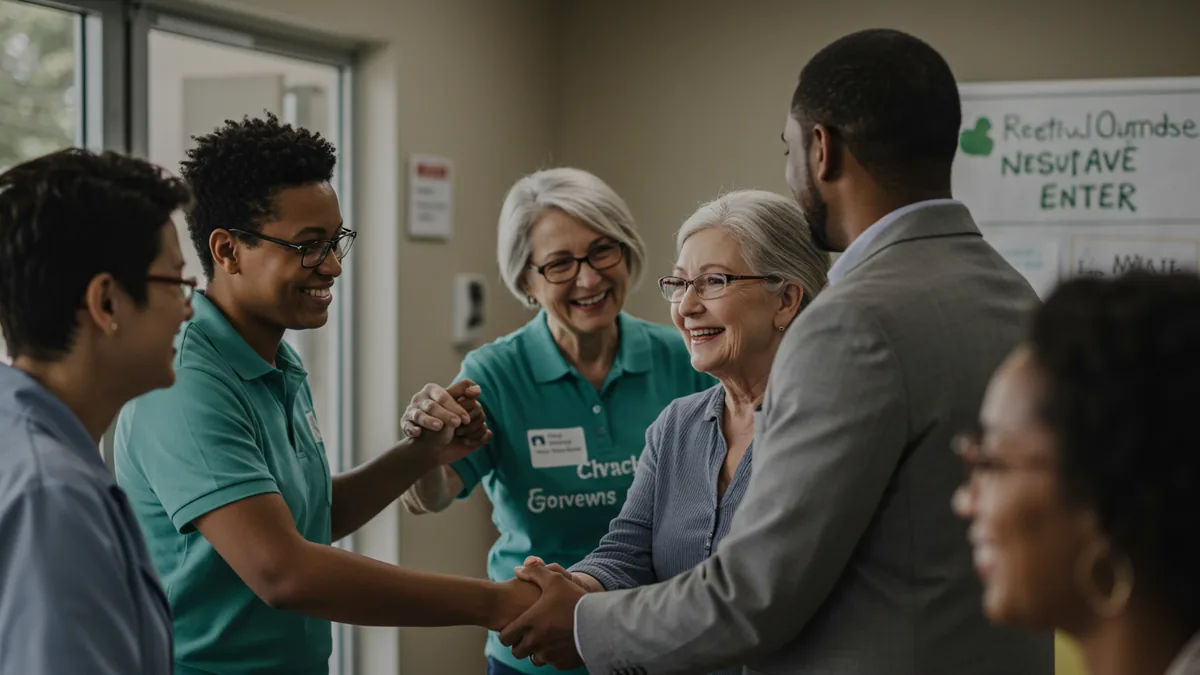
Health, Safety, and a Fresh Start
A few more guides for specific needs. Older adults and their families can find help staying independent in our guide to senior services and aging in place. Anyone facing abuse can get free, confidential help in domestic violence help in St. Louis. Growing families can get free food and nutrition through WIC, and anyone without dental insurance can find care in our guide to free and low-cost dental care.
There’s help for rebuilding, too: people coming home from incarceration can find jobs, housing, and record-clearing help in our guide to starting over after incarceration, and anyone struggling to get online can find affordable options in free and low-cost internet, phones, and computers. Whatever you’re carrying, you don’t have to carry it alone.
Utility Bills & Staying Safe at Home
Behind on a heating or cooling bill? Help exists, and shutoffs can be prevented:
- Heat Up St. Louis and LIHEAP energy assistance help pay past-due heating and cooling bills.
- The Missouri Cold Weather Rule can stop a winter shutoff, and Cool Down St. Louis provides free fans and AC units in summer.
One important thing to know: you don’t have to wait until the power is off. Assistance programs and the Cold Weather Rule work best when you call before a shutoff date, and many utilities will set up a payment plan or apply a credit even mid-crisis. If a bill is piling up, treat it like any other emergency — reach out now, and let these programs do what they were built to do.
Legal Help
Free civil legal aid is available for older and low-income residents — for housing, benefits, guardianship, wills, and protection from abuse. Start with our guide to free legal services for seniors and where to find them. Free legal aid covers civil (non-criminal) matters — housing and eviction, benefits denials, guardianship, powers of attorney, wills, and protection from fraud or abuse — and eligibility usually depends on income. You don’t need to know the legal terms; just describe your problem, and an advocate will point you to the right help. For older adults especially, getting advice before a crisis often saves money, stress, and heartache.
If You’re the One Helping
So much of the help in this city flows through people who simply care — family members, friends, neighbors, teachers, faith communities, volunteers, and donors. If that’s you: bookmark this page and pass it on. Every guide here is written to be handed to someone in need or read alongside them. Share the one that fits, make the call together, and offer the concrete things that matter most — a ride, help with paperwork, or just showing up.
You don’t need special training to make a real difference — you just need to care enough to point someone toward help and stay beside them while they reach for it. Sometimes the most valuable thing you offer isn’t money or answers; it’s hope, a listening ear, and the reminder that they’re worth the effort. That’s the whole spirit of this page: a broad net, cast wide, because this city takes care of its own.
And if you run an organization — a nonprofit, shelter, pantry, clinic, or ministry that offers housing, food, jobs, or support — the more visible you are, the more neighbors you reach. List your services on St Louis Near Me Directory so the people searching these pages can find your door.
Need help right now? Call 2-1-1 (or 800-427-4626) — it’s free, confidential, and open 24/7. For domestic violence, call 1-800-799-7233; for older adults, 1-800-235-5503.
Helping others? Bookmark and share this page — and if your organization offers help, list it on St Louis Near Me Directory so families can find you.
Need a meal today? Our guide to free meals and soup kitchens in St. Louis covers where to find hot food and how to reach the 211 helpline.
The two questions people actually arrive with are what resources can I use to get help paying rent in Missouri, and what is the fastest way to get housing assistance — and the honest answer to both is the same: call the central line first, because the fastest route to housing assistance is the one that screens you for every program at once.
Frequently Asked Questions
How do I find emergency housing tonight?
Call 2-1-1 or the St. Louis County Emergency Shelter Hotline to find open beds. If you’re fleeing domestic violence, call the National DV Hotline (1-800-799-7233) or a local shelter first. Our guides to transitional housing and women’s shelters list programs like Gateway180, Hope House, Haven of Grace, and Covenant House with numbers to call.
Is this help free?
Yes. Every program and hotline on this page is free and confidential, and most don’t require money, insurance, or ID to get started. They’re funded through government programs, grants, and donations so that anyone facing a hard stretch can get help without cost being a barrier.
How can I help someone who’s struggling?
Start by listening, then share the specific guide that fits their need and offer to make the first call together. Concrete help goes far — a ride to an appointment, help gathering documents, or watching the kids during an interview. Bookmark this page so you always have the numbers, and pass it to anyone else who could use it.
What if I don’t see the exact help I need here?
Call 2-1-1 first — their specialists know hundreds of local programs beyond what fits on one page, from childcare and medical bills to transportation, mental health, and veterans’ services. This hub covers the most-requested needs, and we add guides over time, so bookmark it and check back. If you’re a helper who spots a gap, that’s exactly the kind of thing worth flagging so more people find the right door.
How do I know these programs are legitimate?
Every hotline and program linked here is an established government agency, United Way partner, or long-running local nonprofit. Real help never asks you to pay a fee upfront, wire money, or hand over passwords to “unlock” benefits — if something asks for that, it’s a scam, not assistance. When in doubt, call 2-1-1 and ask them to confirm a program before you share any personal information.
Can I get help if I don’t have an ID, an address, or any income?
Often, yes. Many emergency services — shelter, food, and crisis lines — help you first and sort out paperwork later, and case managers routinely help people replace a lost ID or document their situation. Don’t let missing paperwork or zero income stop you from calling; explain what you have, and let the program tell you the next step.
Will asking for help affect my immigration status or get me in trouble?
Most emergency help — food, shelter, crisis lines, and many local nonprofit services — is available regardless of immigration status and doesn’t report you to anyone. Some federal benefit programs have their own rules, so if you have concerns, ask the program directly, call 2-1-1, or talk with free legal aid for a clear answer. Fear should never be the reason a family goes without food or safety.
I run a nonprofit or program — how do I get listed?
List your organization on St Louis Near Me Directory so the neighbors searching these pages can find you. A complete, accurate listing helps both people in need and the search engines and AI assistants they increasingly ask for local help. Add your services here.
How can I get money if I'm struggling?
Start with the phone numbers at the top of this guide rather than an application portal. A single call routes you to rent, utility, food and cash help at once, and the people answering know which programs still have funds this month. Applying blind to one agency at a time is the slowest path.
What resources can I use to get help paying rent in Missouri?
Rent help in Missouri runs through a mix of state programs, county agencies and neighborhood non-profits, and which one applies depends on your county and whether you already have a court date. Call first, ask what documentation they need, and gather it before you apply — missing paperwork is what stalls most applications.
What is the fastest way to get housing assistance?
Speed comes from two things: calling the central intake line instead of individual agencies, and having your documents ready — ID, income proof, the lease and any notice you were served. If you have an eviction date, say so in the first sentence. That moves a file from the general queue to the emergency one.
What low-income assistance programs are available in Missouri?
They fall into the categories this guide walks: housing and shelter, food, health coverage, utilities, childcare and transportation, plus job and income support. Most have separate applications but overlapping eligibility, which is why one intake call beats seven separate forms.

Written by a dedicated team of St. Louis locals who live, work, and play right here in the St. Louis metro. Founder Lane Forman and team are committed to building the region’s most trusted directory by verifying listings and connecting local businesses with loyal customers across Missouri and Illinois.