How to Apply for LIHEAP in Missouri: Energy Assistance in St. Louis
Revised August 10, 2026
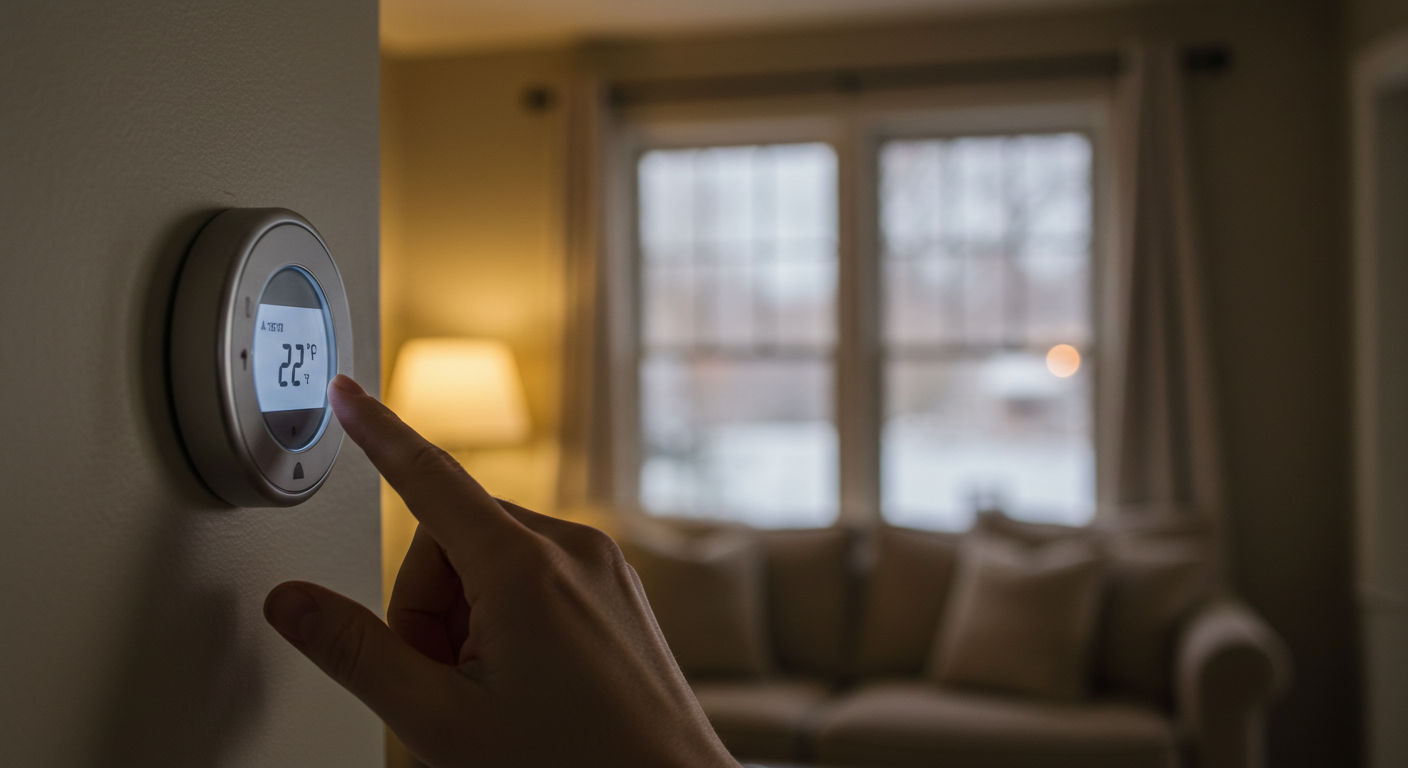
What to do when you can’t pay your utilities?
LIHEAP — Missouri’s Low Income Home Energy Assistance Program — helps income-eligible households pay heating and cooling bills, paid directly to your utility. Apply online at mydss.mo.gov, by phone at 855-373-4636, or through a Community Action Agency (CAASTLC for St. Louis County, the Urban League for the City). Regular help runs $153–$495; winter crisis up to $800.
Keep reading ↓Picture the first real cold snap of the year. Maybe you’re a retiree in Jennings watching the furnace kick on and doing quiet math about the bill that’s coming. Maybe you’re a single parent in Festus who just picked up a disconnection notice, or a family in Wentzville where a layoff turned “tight” into “impossible.” Winter in Missouri doesn’t wait for payday.
There is a program built for exactly this moment, and it’s bigger than most people realize: LIHEAP, the Low Income Home Energy Assistance Program. In Missouri it’s run by the Department of Social Services, it pays your utility company directly, and last year it helped hundreds of thousands of Missouri households keep the heat on. If money is tight this winter, this is the first door to knock on.
This guide explains who qualifies, how much you can get, the documents to gather, and exactly how to apply in the St. Louis area — verified against Missouri’s current program information for the 2025–2026 season. Let’s get you the help you’ve earned.
Bookmark this page, share it with a neighbor, and don’t wait for the shut-off notice to apply.
What is LIHEAP in Missouri?
LIHEAP is a federally funded program that helps income-eligible households pay their home heating and cooling bills. In Missouri it’s administered by the Department of Social Services (DSS) Family Support Division, and it comes in two parts:
- Energy Assistance (EA) — a once-a-year payment toward your primary heating (or summer cooling) cost, paid directly to your utility company. You never touch the money; it lands on your account.
- Energy Crisis Intervention Program (ECIP) — emergency help when you’re facing disconnection, already shut off, or about to run out of fuel. This is the one to reach for when the situation is urgent.
Because it pays the utility straight away, LIHEAP pairs well with every other program out there. Many people use it alongside charity help like Heat Up St. Louis and their own utility’s payment plans. One quick note on geography: this is Missouri’s LIHEAP. If you live across the river in Illinois, you’ll apply through Illinois’ own LIHEAP program instead — dial 2-1-1 and they’ll route you to the right one.
Do I qualify? Income limits and the asset test
Two things decide eligibility: your household income and your countable assets. Missouri sets the income cutoff at roughly 60% of the state median income, which changes every year and is set by household size. Here are the current monthly gross-income limits (chart effective April 1, 2026):
| Household size | Maximum monthly income |
|---|---|
| 1 person | $2,840 |
| 2 people | $3,714 |
| 3 people | $4,588 |
| 4 people | $5,461 |
Bigger household? The limit keeps climbing with each person — check the live figure on the Missouri DSS Benefit Program Income Limits chart, which updates annually. On top of income, there’s an asset test: you generally need $3,000 or less in bank, retirement, and investment accounts. And you must be responsible for paying your home’s energy costs — if heat is included in your rent, LIHEAP usually isn’t your program.
One rule people trip on: everyone living in your home counts as your household, and their income counts too — even roommates who aren’t related to you. Add up the whole household’s income before you decide you’re over the limit, and don’t rule yourself out on a guess. Renters can qualify as long as the utility bill is in your name.
How much does LIHEAP pay in Missouri?
The amount depends on your income, household size, fuel type, and available funding — but here are the current 2026 figures so you know what to expect:
- Regular Energy Assistance (EA): a heating payment of $153 to $495, applied to your utility account.
- Winter crisis (ECIP): up to $800 when you’re facing disconnection or out of fuel.
- Summer crisis (ECIP): up to $300 toward cooling, available in the warm months — see our guide to Cool Down St. Louis and summer cooling help.
It’s not a fortune, but it’s often exactly enough to stop a shut-off and reset your footing — and you can receive EA and apply for crisis help in the same season.
How do I apply for LIHEAP in Missouri?
You have three ways to apply, and none of them require internet skills you don’t have:
- Online — the fastest route. Apply through the state portal at mydss.mo.gov/utility-assistance (available in English and Spanish).
- By phone — call the Family Support Division at 855-373-4636 (855-FSD-INFO) to ask questions or request a paper application by mail.
- In person — take your documents to a local Community Action Agency, which will fill out the application with you (see the St. Louis agencies below).
Applications are typically processed within about 30 days — faster when you’re in an active crisis. Apply as early in the season as you can, because crisis funds are limited and run out as winter deepens.
Where to apply for LIHEAP in the St. Louis area
If you’d rather sit down with someone, two agencies handle most LIHEAP intake in the metro. Call first to confirm hours and whether you need an appointment:
- St. Louis County → Community Action Agency of St. Louis County (CAASTLC)
2709 Woodson Rd., Overland, MO 63114 • 314-863-0015 • caastlc.org/energy-services - City of St. Louis & Wellston → Urban League of Metropolitan St. Louis
1408 N. Kingshighway Blvd., St. Louis, MO 63113 • 314-615-3632 • ulstl.com
Live in one of the outlying counties — Jefferson, St. Charles, Franklin, Lincoln? Every Missouri county is served by a Community Action Agency. Call 2-1-1 (United Way) and they’ll connect you to the one that covers your address.
What documents do I need?
Gathering everything before you apply is the difference between a smooth approval and weeks of back-and-forth. Have these ready for everyone in your household:
- A photo ID for the applicant
- Social Security numbers or cards for every household member
- Proof of income from the prior month (pay stubs, SSI or Social Security award letter, unemployment or pension statement)
- Your most recent gas and electric bills (and a disconnection notice, if you have one)
When to apply: the 2025–2026 deadlines
Timing matters, and the calendar has a head-start built in for the people who feel the cold hardest:

- Energy Assistance (EA) runs October 1 through May 31. Households with a member age 60 or older, or who has a disability, can apply starting October 1; everyone else starts November 1.
- Winter crisis (ECIP) opens in November (elderly and disabled first, all others from December 1) and runs while funding lasts.
- Summer crisis (ECIP) runs June through September.
The takeaway: don’t wait until February. Apply in the fall, and if a crisis hits later in the season, you can still come back for ECIP.
What happens after you apply
Once your application is approved, the payment goes straight to your utility company and shows up as a credit on your account — you won’t receive a check to cash. Regular applications are reviewed within about 30 business days; crisis (ECIP) cases move faster because a disconnection clock is ticking. You can check your status by calling 855-373-4636 or the agency that took your application.
A detail worth knowing: getting approved for regular Energy Assistance does not use up your crisis eligibility. If an emergency hits later in the winter, you can come back and apply for ECIP on top of the EA payment you already received. And while you wait, it’s always worth calling your utility to let them know an application is in — it shows good faith and can buy you time.
Random, but somebody has to say it — Columbia, Illinois eats well.
Stack LIHEAP with other help
LIHEAP is the foundation, but it’s rarely the only help you qualify for — and if a disability is what put your household on a fixed income, it’s worth learning how to apply for SSI and SSDI disability benefits in St. Louis while you’re at it. Because it pays the utility directly, it stacks cleanly with charity grants and your provider’s own programs. Here’s what else is on the table in the St. Louis area:
| Program | What it adds | How to reach it |
|---|---|---|
| Heat Up St. Louis | Charity grants toward past-due heating bills (gas, electric, propane, wood) for seniors, disabled, and low-income families. | Apply at heatupstlouis.org; 314-657-1599 |
| Ameren Keeping Current | $35–$90 monthly bill credit plus past-due forgiveness for income-eligible electric customers. | 1-800-552-7583 |
| Spire DollarHelp | Up to $1,000 toward past-due natural gas, open to households up to 300% of poverty, with an 18-month payment plan. | Dial 2-1-1 |
| Cold Weather Rule | A state law that blocks winter disconnection when it’s forecast below 32°F — buys time to get LIHEAP approved. | Missouri PSC 1-800-392-4211 |
Don’t forget free weatherization
Here’s the part almost nobody applies for: if you qualify for LIHEAP, you likely qualify for Missouri’s Weatherization Assistance Program, too. It pays for free energy-efficiency upgrades — attic insulation, air sealing, and furnace repair or replacement — that permanently lower your bills instead of just paying this month’s. The income limit is even more generous (up to 200% of the federal poverty level), and the same Community Action Agencies handle it. When you apply for energy assistance, ask CAASTLC or the Urban League to add you to the weatherization list. It’s one of the best deals in the entire safety net, and the wait is worth it.
Looking for more local resources? A tool like findhelp.org can point you to food, housing, and health programs near you, and you can search the St Louis Near Me Directory for St. Louis organizations and community resources.
If you run a nonprofit or a service that helps neighbors in need, listing it is how the people looking for you actually find you.
More St. Louis help: This guide is part of our St. Louis Help & Assistance Resources hub — one trusted place for housing, food, jobs, health coverage, utility bills, and legal aid, whether you need help yourself or you’re helping someone who does.
Frequently Asked Questions
How do I apply for LIHEAP in Missouri?
Apply three ways: online at mydss.mo.gov/utility-assistance, by phone at 855-373-4636 (to ask questions or request a mailed application), or in person at a local Community Action Agency — CAASTLC for St. Louis County or the Urban League for the City. Have your ID, Social Security numbers, proof of income, and recent utility bills ready.
What is the income limit for LIHEAP in Missouri?
Missouri uses about 60% of the state median income, set by household size. As of the April 2026 chart, the monthly gross-income limits are roughly $2,840 for one person, $3,714 for two, $4,588 for three, and $5,461 for four. There is also a $3,000 asset limit. Limits update yearly, so check the live DSS chart.
How much does LIHEAP pay in Missouri?
The regular Energy Assistance payment runs $153 to $495, paid straight to your utility. Emergency Crisis (ECIP) help is larger when you’re facing disconnection: up to $800 in winter and up to $300 for summer cooling. Exact amounts depend on income, household size, fuel type, and available funding.
How do I get a LIHEAP application?
Start the online application at mydss.mo.gov/utility-assistance, or call 855-373-4636 to have a paper application mailed to you. A local Community Action Agency — CAASTLC (314-863-0015) or the Urban League (314-615-3632) — can also give you an application and help you complete it in person.
What is the maximum income to qualify for LIHEAP?
It depends on how many people live in your home. Missouri’s cutoff is about 60% of state median income — for example, roughly $5,461 a month for a household of four on the current chart. Larger households have higher limits. Because the numbers change each program year, confirm your household’s exact figure on the live DSS income chart before assuming you don’t qualify.
What if my income is a little too high?
Don’t give up — LIHEAP isn’t the only help. Charities like Heat Up St. Louis, your utility’s own programs (Ameren’s Keeping Current, Spire’s DollarHelp, which reaches up to 300% of poverty), and the Salvation Army each set their own limits. Dial 2-1-1 to be matched to a program that fits your household’s numbers.
What is the $500 direct cash assistance program in Missouri?
If you see this phrase online, know that it is not LIHEAP — LIHEAP pays your utility company directly, never you in cash. Missouri has no standing program that simply mails eligible residents a flat $500. One-time relief funds and guaranteed-income pilots do appear from time to time, but be cautious of any site that charges a fee to apply; legitimate assistance never does. Dial 2-1-1 to find what is actually available to you right now.

Written by a dedicated team of St. Louis locals who live, work, and play right here in the St. Louis metro. Founder Lane Forman and team are committed to building the region’s most trusted directory by verifying listings and connecting local businesses with loyal customers across Missouri and Illinois.