How to Choose a College or Trade School in St. Louis: A 2026 Guide to Community Colleges, Universities & the Trades
Revised July 13, 2026
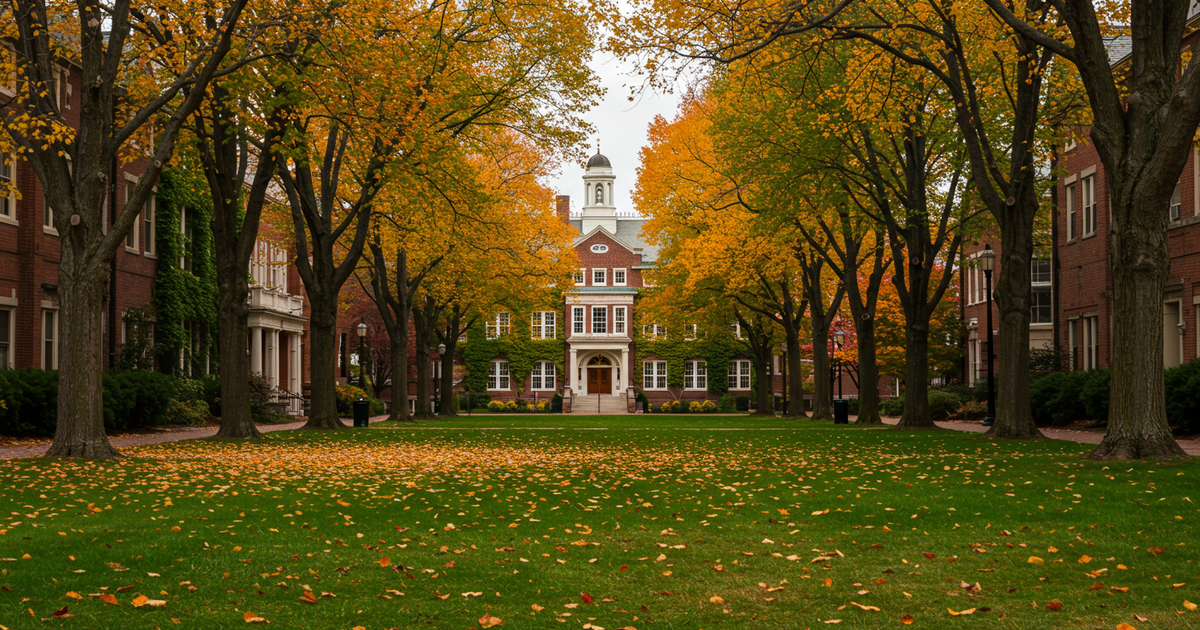
Is it better to go to a community college or a university?
Neither is universally better — it depends on your goals, budget, and stage of life. A community college like STLCC is far cheaper, open-access, and flexible, and can be a destination (an associate degree or certificate) or a launching pad to transfer for a bachelor’s. A four-year university offers the full campus experience and a wider range of degrees at higher cost. Many students do both: two years at community college, then transfer. There’s no wrong answer — only the one that fits your situation.
Keep reading ↓Imagine the kitchen table again, a year or two past the one where you were choosing a grade school. Now it’s a high-school senior in Florissant weighing a four-year university against starting close to home. Or a thirty-two-year-old in Festus, tired of a job going nowhere, wondering if a welding or nursing program could change things. Or an adult across the river in Collinsville going back for a certificate while working full time. Life after high school isn’t one path anymore — it’s a fork with several good roads, and the “right” one depends entirely on the person standing at it.
This is a calm, practical guide to those roads in the St. Louis region: community college, a four-year university, and the skilled trades, plus the culinary and technical programs in between. We’ll keep it honest about cost and fit, skip the rankings and the hype, and stick to what actually helps you or your student decide. As with any big education choice, different families and different people value very different things — and that’s exactly as it should be.
Is It Better to Go to a Community College or a University?
The honest answer: neither is universally better — it depends on your goals, your budget, and where you are in life. A community college like St. Louis Community College (STLCC) is far cheaper, open to nearly everyone, close to home, and flexible for people working or raising families — and it can be either a destination (a two-year associate degree or a career certificate) or a launching pad (finish two years, then transfer to a university for the bachelor’s). A four-year university offers the full campus experience, a wider range of bachelor’s and graduate degrees, research, and the traditional path many careers still expect — at a higher cost. For a student who knows they want a bachelor’s and can afford it, starting at a university can make sense; for someone cost-conscious, undecided, or returning to school, community college is often the smarter first move. Many of the most financially savvy students do both: two years at STLCC, then transfer. There’s no wrong answer — only the one that fits your situation.
What Are the Disadvantages of a Community College?
Community college is a genuinely great value, but it’s fair to know the trade-offs. There’s less of a traditional campus life — most students commute, so the dorms, big sports, and residential social scene mostly aren’t there. Programs top out at the associate-degree and certificate level, so for a bachelor’s or beyond you’ll eventually transfer. Because admission is open, classes vary widely in student preparation, and students have to be self-motivated since there’s less hand-holding. And if you plan to transfer, you have to choose courses carefully so credits actually carry over — a good advisor is essential here. None of these are dealbreakers for most people; they’re simply the flip side of the affordability, flexibility, and access that make community college such a strong option. Going in aware of them is how you get the value without the pitfalls.
Is Community College Only 2 Years?
Mostly, yes — but with more nuance than the question suggests. Community colleges are built around two-year associate degrees and shorter career certificates (some just a few months). But “two years” is really full-time pace: many students, especially those working, take longer and that’s completely normal. And the two years is often a beginning, not an end — the associate degree can transfer as the first half of a bachelor’s. A few community colleges nationally now offer select four-year degrees, but the core model is two-year and certificate programs. The takeaway: community college fits both people who want a quick, job-ready credential and people who want an affordable on-ramp to a longer degree.
The Transfer Path: Start at STLCC, Finish at a University
This is the money-saving strategy a lot of St. Louis families overlook. The idea, sometimes called “2+2,” is simple: complete your first two years (general-education courses) at a community college at a fraction of university tuition, then transfer to a four-year school to finish the bachelor’s. Your diploma comes from the university, but you’ve saved thousands on the identical intro courses. The key is planning: work with an advisor from day one, follow a transfer track, and confirm which credits the destination university accepts — STLCC has transfer agreements with area universities to smooth exactly this. Done right, the 2+2 path delivers the same bachelor’s degree with far less debt. It’s not for everyone — some students thrive starting at a university — but for the cost-conscious, it’s one of the best deals in higher education.
Is Trade School Worth It?
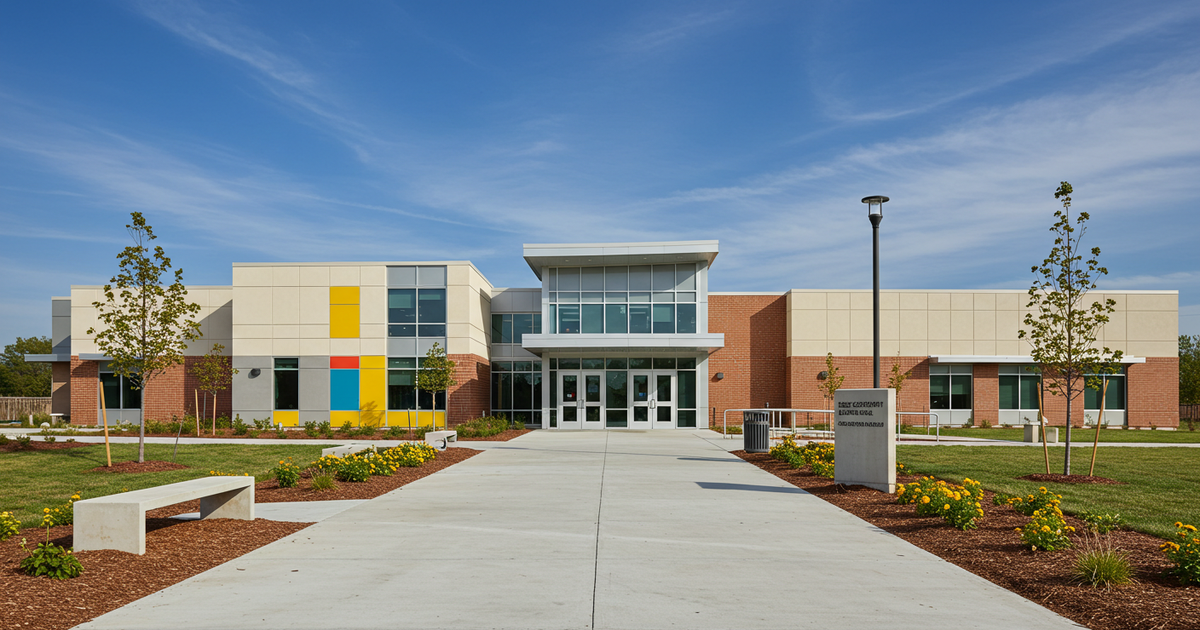
For a lot of people, absolutely — and the old stigma around it deserves to be retired. A skilled trade (electrical, plumbing, HVAC, welding, automotive, and many more) can lead to a stable, well-paying career without the time and debt of a four-year degree, and demand for skilled tradespeople is strong as an older generation retires. The honest downsides: the work is often physically demanding, some trades are affected by the economy or weather, and you typically start with an apprenticeship at lower pay while you learn. But you earn while you learn rather than paying tuition and borrowing, and many trades offer clear ladders to high pay and business ownership. Trade school is not a lesser path — it’s a different one, and for hands-on people who’d rather build a career than sit in lecture halls, it’s frequently the smarter choice. St. Louis is fortunate to have Ranken Technical College, a century-old institution built around hands-on training and close ties to local industry, plus strong technical programs at STLCC.
What Are the Highest-Paying Trades?
Trades pay far better than the stereotype, and a few stand out. According to U.S. Bureau of Labor Statistics data (May 2025), elevator installers and repairers top the list with a median around $109,910, followed by electrical line workers near $95,320. Among the common home trades, plumbers (median ~$63,800), electricians (~$63,190), and HVAC technicians (~$61,010) sit comfortably in the middle — but those medians understate the ceiling: the top 10% of electricians and plumbers each earn over $108,000, and master tradespeople who specialize in commercial work or run their own businesses often clear $100,000 to well over $150,000. Pay rises with experience, certifications, and union or commercial work. The point isn’t that everyone will hit the top — it’s that a skilled trade is a genuine path to a solid middle-class (and sometimes six-figure) living, with far less debt than a bachelor’s degree.

Certificates and Apprenticeships: The Faster Paths
Not every good career needs a two- or four-year degree. Certificate programs — short, focused training that can take anywhere from a few weeks to a year — get people job-ready fast in fields like medical assisting, welding, IT, cosmetology, commercial driving, and dozens more, often at community colleges or technical schools for a fraction of a degree’s cost. Apprenticeships go a step further: you’re paid to learn on the job while completing classroom hours, common in the building trades through local unions and employers, and you finish with a credential and real experience but no student debt. For a career-changer or someone who wants to start earning quickly, these paths can be the smartest of all — and they’re easy to overlook when the conversation defaults to “which college.” When you’re weighing options, ask not just “which degree” but “what’s the fastest honest route to the career I want,” because sometimes it’s a six-month certificate or a paid apprenticeship, not four years of tuition.
How Do You Choose a College or Program?
Like choosing a K-12 school, the best fit beats the highest ranking — but the factors shift a bit for higher ed. A useful frame some counselors call the “5 C’s of college choice” covers the big questions: Cost (the real net price after aid, not the sticker), Curriculum (does it offer your program, and is it accredited?), Career outcomes (do graduates get hired, and what do they earn?), Culture (does the environment fit you — big or small, commuter or residential, supportive?), and Convenience (location, schedule, online options for working students). Two tools make this concrete and honest: the federal College Scorecard (free, official data on cost, graduation rates, and post-graduation earnings by school and program) and accreditation — make sure any school you consider is properly accredited (in this region, by the Higher Learning Commission), because credits and degrees from unaccredited schools may not count. Tour if you can, talk to current students and recent graduates, and weigh fit over prestige. The “best” school is the one where this student will actually finish, get hired, and not be buried in debt.
How Do You Actually Pay for It?
Cost is the factor that stops the most people, so know your tools. The first step for almost everyone is the FAFSA (Free Application for Federal Student Aid) — it’s free, it opens the door to federal Pell Grants (which don’t have to be repaid) and low-interest loans, and many families who assume they won’t qualify actually do, so fill it out regardless of income. Layer on scholarships (school, private, and community), employer tuition assistance if you’re working, and the big community-college cost savings for the first two years. Missouri has a standout program worth knowing: the Missouri A+ Scholarship Program, which can cover the unpaid balance of tuition and general fees at a participating community college or vocational/technical school for eligible graduates of A+ designated high schools — the requirements include a 2.5+ GPA, 95% attendance, 50 hours of tutoring or mentoring, and filing the FAFSA. For the 2025–2026 year it reimburses up to about $225 per credit hour after Pell and other non-loan aid apply. Programs and amounts change and depend on state funding, so confirm current details with the school’s financial-aid office — but for many Missouri students, A+ makes the first two years remarkably affordable.
The St. Louis Landscape: Community Colleges, Universities, Trades & Culinary
The region offers an unusually deep menu across two states. On the community-college side, St. Louis Community College (STLCC) anchors the metro with four main campuses — Florissant Valley (in Ferguson, strong in engineering and skilled trades), Forest Park (in the city, known for nursing, culinary arts, and funeral services), Meramec (in the southwest county), and Wildwood (in West County) — plus St. Charles Community College and Jefferson College on the Missouri side, and Southwestern Illinois College (SWIC) and Lewis & Clark Community College across the river.
Among universities, the metro spans large research institutions and smaller private schools: Washington University, Saint Louis University (SLU), the University of Missouri–St. Louis (UMSL), Webster University, Lindenwood University, Maryville University, and Harris-Stowe State University (a historically Black university) on the Missouri side, with Southern Illinois University Edwardsville (SIUE), McKendree University, and Principia College in the Metro East. (It’s worth noting the landscape does shift — Fontbonne University, a longtime Catholic school, wound down operations in 2025 — a reminder to confirm any school is currently enrolling before you apply.)
For trades and technical training, Ranken Technical College is the standout, alongside STLCC’s technical programs and various apprenticeship paths through local unions and employers. And for culinary ambitions, STLCC’s Forest Park culinary arts program is a well-regarded local starting point for aspiring chefs and bakers. Whatever the direction — a bachelor’s degree, a two-year associate, a hands-on trade, or a short certificate — the choices here are broad and reachable, which is exactly why it helps to map what’s actually near you before diving in.
St. Louis-Specific: Adult Learners, Career-Changers, and a Region Full of Options
One of the best things about higher education here is that it’s not just for eighteen-year-olds. A huge share of community-college and certificate students are adults — people changing careers, finishing a degree they started years ago, or picking up a credential to earn more. Evening, weekend, and online options at STLCC, UMSL, Webster, and others make it realistic to study while working or raising a family, and the trades’ earn-while-you-learn apprenticeships are built for exactly that. Whether you’re a parent in Affton helping a teenager compare a university and a trade, or an adult in Wentzville going back for the first time in a decade, the region has a path that fits — and the throughline of this whole guide holds: the right choice is the one that fits the person’s goals, budget, and life, not the one with the flashiest name. A little homework up front — on cost, fit, and outcomes — turns a daunting decision into a confident one. And if you’ve been away from school for a while, don’t let that stop you: community colleges and universities here run robust online and hybrid options, adult-learner advising, and credit for prior learning or military experience, all designed to help returning students finish. Plenty of people start a certificate or a class or two, build momentum, and go further than they first imagined — the hardest step is usually just the first one.
A Simple Step-by-Step Way to Decide
If the options feel overwhelming, work them in order. First, get honest about the goal: a specific career, a bachelor’s degree, a faster credential, or “not sure yet” (which is a fine answer — and a point in community college’s favor). Second, set a realistic budget, and remember the sticker price is rarely what you pay — run the numbers on aid, the A+ program, and the community-college transfer route. Third, make a short list that fits the goal and budget: universities, STLCC, Ranken or a trade path, or a certificate program. Fourth, pressure-test each with the free College Scorecard (cost, graduation, earnings) and confirm accreditation. Fifth, visit or attend an info session, and talk to current students and recent graduates about whether they’d choose it again. Sixth, mind the deadlines — FAFSA, applications, and scholarship windows open months ahead. Working the steps in order turns a stressful fork in the road into a clear, confident decision — and there’s no single right answer, only the one that fits this person’s goals, budget, and life.
Ready to see what’s near you? Explore K-12 through higher education — community colleges, universities, and technical schools — across Missouri and Illinois on the St. Louis Schools Map. Bookmark the schools map — or save the Google map directly to your phone — so the right schools and programs near you are always one tap away when you need them.
Run a school, college, training program, or tutoring service? Local students and families are searching for you. Listing your program helps them find it.
More St. Louis Family & Local Guides
- How to choose a K-12 school in St. Louis
- A guide to St. Louis neighborhood associations
- The best outdoor activities in St. Louis
Frequently Asked Questions
Is it better to go to a community college or a university?
Neither is universally better — it depends on your goals, budget, and stage of life. Community college is far cheaper, open-access, flexible, and can be a destination (associate degree or certificate) or a launching pad to transfer for a bachelor’s. A university offers the full campus experience and a wider range of degrees at higher cost. Many savvy students do both: two years at STLCC, then transfer. There’s no wrong answer — only the one that fits.
What are the disadvantages of a community college?
Mainly less traditional campus life (most students commute), programs that top out at associate degrees and certificates, a wider range of student preparation because admission is open, and the need to choose courses carefully so credits transfer. Students also have to be self-motivated with less hand-holding. These are the flip side of the affordability, flexibility, and access that make community college a strong value — going in aware of them is how you get the benefits without the pitfalls.
Is community college only 2 years?
Mostly — community colleges center on two-year associate degrees and shorter career certificates — but that’s full-time pace, and many working students take longer, which is normal. The two years is often a beginning, not an end: the associate degree can transfer as the first half of a bachelor’s. A few community colleges now offer select four-year degrees, but the core model remains two-year and certificate programs suited to both quick credentials and affordable on-ramps.
Is trade school worth it?
For many people, yes. A skilled trade can lead to a stable, well-paying career without the time and debt of a four-year degree, and demand is strong. The downsides: physically demanding work and starting at lower apprenticeship pay while you learn. But you earn while you learn instead of borrowing, and many trades offer clear paths to high pay and business ownership. Trade school isn’t a lesser path — it’s a different one, and often the smarter fit for hands-on people.
What’s the difference between an associate degree and a bachelor’s degree?
An associate degree is a two-year undergraduate credential (common at community colleges); a bachelor’s is a four-year degree from a college or university. The associate can stand alone as a job-ready qualification or transfer as the first two years of a bachelor’s. You generally can’t “skip” to a bachelor’s without completing the coursework, but you can earn the associate first and transfer those credits toward the bachelor’s — a common, money-saving route.
How do you actually pay for college?
Start with the FAFSA — it’s free and unlocks Pell Grants (no repayment) and low-interest loans, and many families qualify even when they assume they won’t. Add scholarships, employer tuition assistance, and the big savings of doing your first two years at community college. In Missouri, the A+ Scholarship Program can cover community-college or vocational tuition for eligible A+ high-school graduates. Amounts and rules change with state funding, so confirm current details with the school’s financial-aid office, and don’t rule out a school on sticker price alone — the net price after aid is often dramatically lower.

Written by a dedicated team of St. Louis locals who live, work, and play right here in the St. Louis metro. Founder Lane Forman and team are committed to building the region’s most trusted directory by verifying listings and connecting local businesses with loyal customers across Missouri and Illinois.