Who is Eligible for Government Home Improvement Grants: A Comprehensive Guide
Revised October 16, 2026

Who is eligible for government home improvement grants?
Government home-improvement grants and low-cost loans mainly target low-income homeowners, seniors, veterans, people with disabilities, and rural residents. Key programs include USDA Section 504 (repair grants up to $10,000 for homeowners 62+, loans up to $40,000, in rural areas), FHA 203(k) rehab loans, VA disability housing grants, HUD Title 1 improvement loans, and the Weatherization Assistance Program. Start at usa.gov, benefits.gov, and grants.gov, and check income limits, which are often below 80% of the area median.
Keep reading ↓A failing furnace or a roof that leaks over the kitchen doesn't wait for payday. That's the moment most people start asking who is eligible for government home improvement grants.
The programs exist. They just scatter across federal, state, and local agencies, each with its own rules. Here is what actually decides whether you qualify, and how to get the help.
Key Takeaways
- Government grants for home improvements often focus on helping specific groups like low-income families, seniors, veterans, and people with disabilities.
- Eligibility usually depends on your income, where you live, and sometimes your age or veteran status.
- Not all home improvements qualify; grants typically cover repairs that boost safety, accessibility, or energy efficiency, not luxury upgrades.
- You'll need to research specific programs from agencies like HUD or USDA and follow their application steps carefully.
- If grants aren't an option, look into government-backed loans or other financing methods to help pay for your project.
Understanding Who Is Eligible for Government Home Improvement Grants
Federal programs that help homeowners pay for repairs are real, and more common than most people assume. The catch is the rules. Not everyone qualifies for these grants, and understanding who does is the first big step.
Who Can Access Home Improvement Financial Aid?
Most of these programs target homeowners who would struggle to cover a major repair on their own. That usually means specific groups:
- Low-income families and individuals: If your household income is below a certain level, you might be in luck.
- Senior citizens: Older homeowners often have access to programs geared towards making their homes safer and more accessible.
- Veterans: The government has programs to support those who have served, including help with home modifications.
- Individuals with disabilities: Grants can help make homes more livable for people with specific needs.
- Native Americans: There are also resources specifically for Native American homeowners.
Who you are is only half of it. Where you live and the type of property you own matter too. Some programs run narrow, others broad. For a general overview, government sites like USAGov are a solid place to start.
Eligibility and Application Insights
Each grant or loan program sets its own requirements. Some measure your income against the area median income; others weigh the age of the homeowner or the condition of the house. A few even help people who don’t own the home outright — the VA Temporary Residence Adaptation grant, for one, helps veterans who are temporarily living in a family member’s home. Don’t assume you won’t qualify, either: many programs set income limits higher than people expect, and most fund specific work like safety fixes, accessibility, or energy efficiency.
Qualifying for Home Improvement Grants
To actually qualify, you'll usually need to meet a few different criteria. These can include:
- Income Limits: Many programs have strict income ceilings. You'll often need to prove your income through tax returns or pay stubs.
- Homeownership: Most grants are for homeowners, but as mentioned, there are exceptions.
- Property Type: Some programs only work for certain kinds of homes, like single-family houses. Others might have rules about whether the home is your primary residence.
- Project Scope: The improvements you want to make also matter. Grants usually cover essential repairs, safety upgrades, or accessibility modifications, not luxury renovations.
It's a good idea to check out resources that break down these programs. Websites like SuperMoney can offer detailed insights into specific programs and what they require.
Key Eligibility Criteria for Home Improvement Assistance
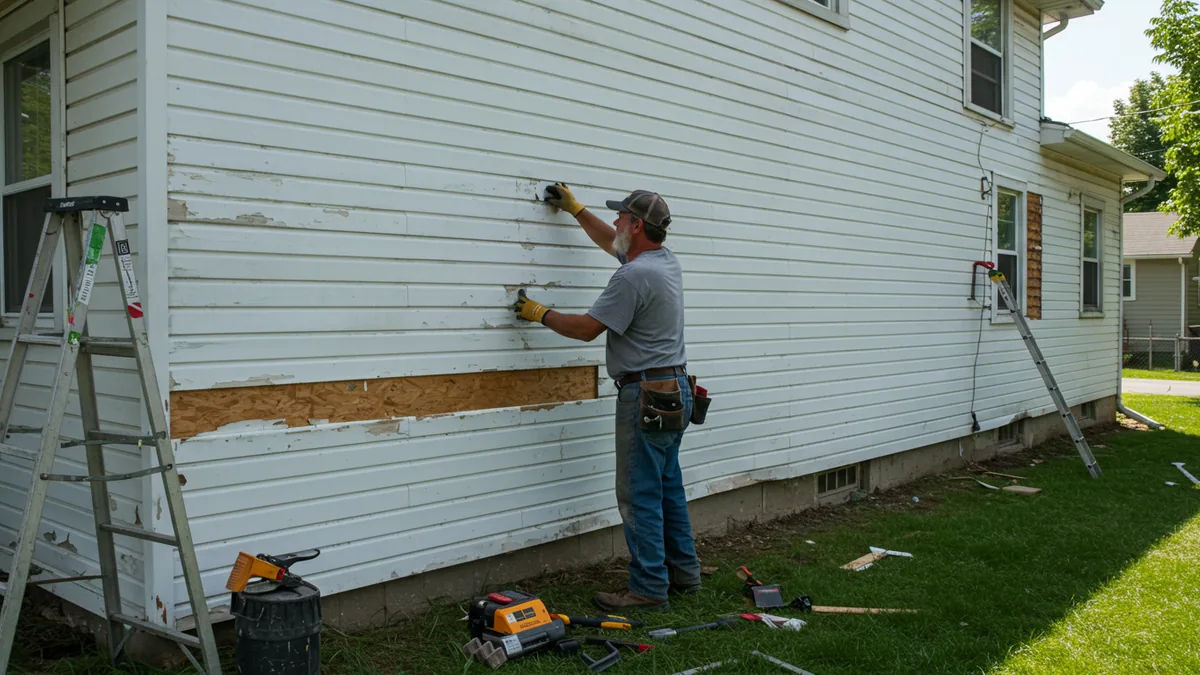 Key Eligibility Criteria for Home Improvement Assistance
Before you sketch out a project, it pays to know who actually qualifies. These grants aren't a free-for-all, and the rules shift from one program to the next. Here is what you generally need to weigh.
Income and Demographic Requirements
Income is usually the big one. Most programs look closely at what you earn, often measured against your area's median income. Some require your household to fall below 80% of that number. Income isn't the whole story, though. Age can matter too, since certain grants are reserved for seniors. Residency counts as well – you usually need to be a legal resident of the area where the program operates.
- Income Limits: Check if your household income falls within the program's specified range.
- Age: Some programs prioritize seniors or have specific age requirements.
- Residency: You'll typically need to prove you live in the eligible area.
Be honest about your finances on the application. Fudging the numbers usually backfires, and it can get the whole thing tossed out.
Program-Specific Requirements
Each program layers its own rules on top of the general ones. Veterans, for instance, may need a Certificate of Eligibility (COE) for certain VA programs. Some programs check your credit history and income to be sure you can handle any loan portion, even when a grant is involved. Others tie funding to specific work, like accessibility or energy upgrades. The Section 203(k) Rehab Mortgage Insurance program, for example, carries criteria that differ from other types of aid.
Understanding Eligible and Non-Eligible Improvements
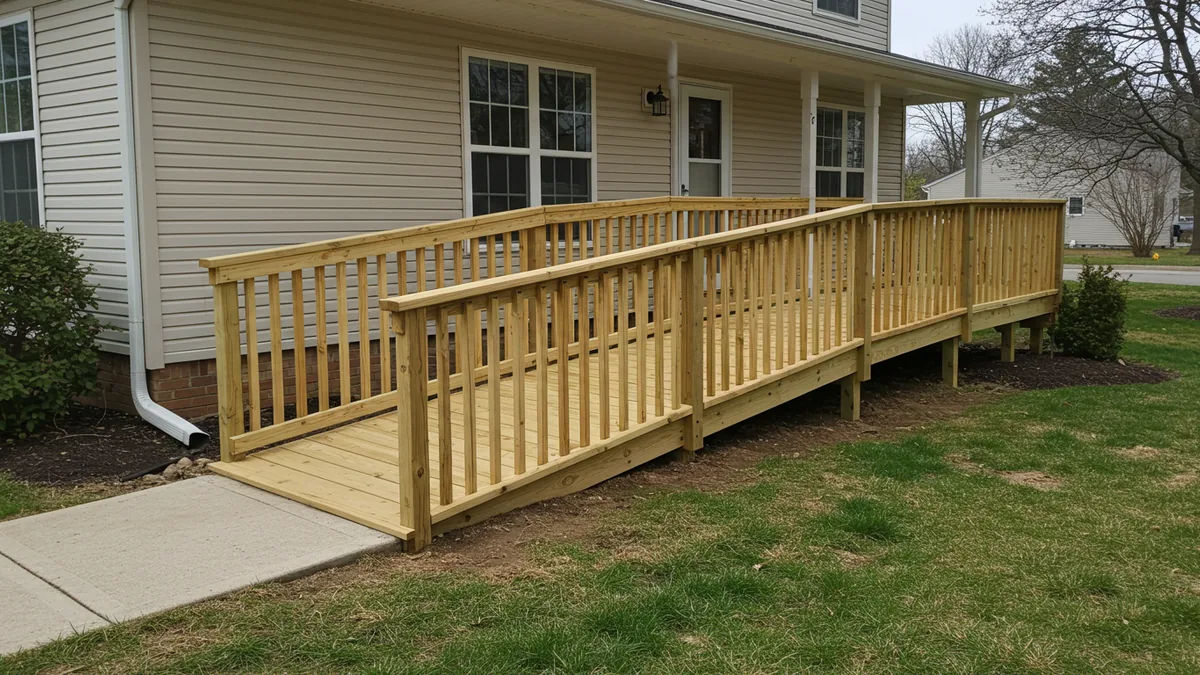
Not every home project is going to be covered. Government grants usually focus on improvements that address safety, accessibility, or major repairs. Think things like fixing a leaky roof, updating electrical systems to prevent fires, adding ramps or grab bars for accessibility, or making energy-saving upgrades like better insulation. Cosmetic stuff, like new kitchen countertops or a fancy paint job, usually isn't covered unless it's part of a larger renovation that meets the program's goals. Always check the program's list of what's allowed and what's not before you start dreaming too big.
Government Programs for Specific Homeowner Groups
Some programs are built for specific groups of homeowners rather than the general public. They tend to focus on people who need extra help or who have served in the military. Here is who they usually cover.
Assistance for Veterans and Seniors
Veterans often have more support than they expect. The Department of Veterans Affairs (VA) runs programs for home modifications, especially if you have a service-related disability. The VA Temporary Residence Adaptation (TRA) grant, for one, helps make a home more accessible.
Seniors have dedicated resources too. As people age, a home often needs updates for safety and access: grab bars, ramps, a wider doorway. The point is less about comfort than about staying independent and safe at home.
Support for Low-Income Families and Individuals with Disabilities
Low-income families are a big focus for many government assistance programs. The idea is to help make homes safer and more energy-efficient, which can save money on utility bills in the long run. Programs like the Weatherization Assistance Program (WAP) aim to reduce energy costs by improving insulation and heating systems.
Individuals with disabilities can also find help. Grants are often available to modify homes to meet specific accessibility needs. This could include anything from installing a stairlift to making bathroom modifications. The goal is to make living at home easier and more comfortable.
Nothing to do with grants — getting found in Belleville is a whole different project.
Native American Home Improvement Resources
There are also specific resources for Native American homeowners. These programs often work through tribal housing authorities or directly with the Department of Housing and Urban Development (HUD) to provide funds for home repairs and improvements. These can be really important for maintaining housing on tribal lands.
It's worth looking into what's available in your specific area, as programs can vary. You can often find information through your local housing authority or by checking out government websites like USAGov.
Navigating Application Processes for Grants
You found a grant that fits your project. Now comes the part that trips people up: the application itself. Most government grant applications follow a similar path, and knowing the steps ahead of time saves a lot of second-guessing.
Starting the Application Journey
Start at the official website of the agency offering the grant; that's where the accurate, current information lives. Look for sections like “How to Apply” or “Grant Opportunities.” You'll need to be patient and thorough here, as missing a small detail can set you back. Some agencies ask you to create a portal account to reach the forms or track progress. Grants.gov, for instance, is a central hub for federal funding, and you can set up a “Workspace” to get alerts and manage applications. Begin well before any deadlines.
Researching and Understanding Eligibility
Before you even fill out a single form, double-check that you meet all the requirements. This might seem obvious, but it's easy to get excited about a grant and overlook a key detail. You'll want to look at things like your income level, the type of property you own, and whether you fall into a specific demographic group the grant is designed to help. Some programs are specifically for veterans, seniors, or low-income families. Make sure your planned improvements are also on the list of eligible projects. For example, some grants focus on energy efficiency, like insulation or new windows, while others might cover more general repairs. You can often find lists of eligible and non-eligible improvements on the program's website. If you're unsure about anything, don't hesitate to reach out to the program administrators for clarification. You can find information on specific programs through resources like HUD's website.
Steps to Apply for Grants
While each grant application is unique, here's a general idea of what you might encounter:
- Gather Documentation: This is usually the most time-consuming part. You'll likely need proof of income (like tax returns or pay stubs), identification, property ownership documents, and possibly estimates for the work you want to do.
- Complete the Application Form: Fill out the application accurately and completely. Be honest and provide all requested information. If there's a section you don't understand, seek help.
- Submit Your Application: Follow the submission instructions carefully. This might be online, by mail, or in person.
- Review and Award: After submission, your application will be reviewed. If approved, you'll receive an award notification. You'll then have a set period to accept the award, though the exact window varies by program.
- Grant Agreement and Execution: Once you accept, you'll sign a grant agreement. This is a formal contract outlining the terms and conditions.
- Project Implementation: After the agreement is signed, you can begin your project. Depending on the program, you might receive funds upfront, get reimbursed, or have the work managed by the program itself.
A first-round rejection isn’t the end of it. Plenty of people apply to several programs before one comes through, so keep your paperwork organized and reapply where you can.
Some programs also set rules for how you choose a contractor, so read those details closely. Those requirements exist to keep the money going toward real, approved work on your home.

Exploring Financing Options Beyond Grants
Maybe a grant doesn't fit your situation, or it won't cover the whole project. That happens plenty. Several other funding routes can fill the gap, each with its own trade-offs in cost and flexibility.
Alternative Financing Solutions
When grants don't cover everything, think about other ways to finance your renovations. These options often come with their own set of rules and benefits, so it's smart to compare them.
- Home Equity Line of Credit (HELOC): This is like a credit card for your home's equity. You can borrow money as you need it, up to a certain limit, and you only pay interest on what you use. It's flexible, but remember, you're borrowing against your home.
- Cash-Out Refinance: If you have a mortgage, you can refinance it for a larger amount than you currently owe and take the difference in cash. This can be a good way to get a lump sum for a big project, but it means a new mortgage with potentially different terms.
- Personal Loans: These are unsecured loans, meaning you don't need to put up your house as collateral. They can be quicker to get than other options, but interest rates might be higher.
Before you sign anything, run the numbers on your own budget: how much you can comfortably repay each month, and for how long. Pull a few quotes too, so you can compare rates and terms side by side.
Government-Backed Loan Programs
Beyond grants, Uncle Sam also has loan programs that can help make home improvements more affordable. These often have better terms than you might find elsewhere.
- HUD Title 1 Property Improvement Loans: These loans are insured by the Federal Housing Administration (FHA) and can be used for a wide range of home repairs and improvements. They're available through various lenders and can be a good option if you don't qualify for grants.
- FHA 203(k) Rehabilitation Mortgage Insurance: This program is pretty neat because it lets you finance both the purchase of a home and the cost of its renovation all in one mortgage. It's especially helpful if you're buying a fixer-upper. You'll need to work with an FHA-approved lender to get this sorted out.
Home Equity and Tax Credit Opportunities
Don't forget about tapping into your home's value or getting a break on your taxes.
- Home Equity Loans: Similar to a HELOC, but you usually get a lump sum upfront with a fixed interest rate. It's a straightforward way to get the funds for a specific project.
- Tax Credits for Energy-Efficient Improvements: Making your home more energy-efficient can sometimes earn you tax credits. Think new windows, insulation, or certain types of heating and cooling systems. Check with the IRS or a tax professional to see what qualifies and what the current credits are. You can often find good local service providers through platforms like St Louis Near Me Directory.
Between equity, loans, and tax credits, most homeowners can find a route that fits the budget.
Discovering Resources for Home Improvement Support
The hardest part is often knowing where to look first. A handful of reliable starting points can keep you from chasing dead ends.
Utilizing Government Websites for Information
Your first stop should probably be the official government websites. Think of them as the main hubs for all sorts of programs. Websites like USA.gov and Benefits.gov are great places to begin your search. They pull together information on various grants and programs designed to make your home safer, more comfortable, or more accessible. These sites are designed to be a starting point, helping you see what's out there before you get into the nitty-gritty details of specific programs. You'll find details on who might qualify, often based on things like your income, where you live, or if you have specific needs.
Non-Profit and Local Agency Assistance
Beyond the big government sites, don't forget about non-profit organizations and local agencies. Sometimes, these groups have programs that work alongside government initiatives or offer their own unique support. They can be really helpful for understanding the local landscape and finding resources specific to your town or county. It's worth checking out community action agencies or local housing authorities. You might even find a directory of local services that can help you find businesses offering home improvement services in your area home services.
Understanding Property Type Eligibility
One thing to keep in mind is that not all properties are eligible for every program. Some grants are specifically for owner-occupied homes, meaning you have to live there. Others might have rules about the type of structure – like single-family homes versus multi-unit buildings. It's also common for programs to focus on primary residences. Always double-check the specifics for any program you're interested in to make sure your home fits the bill. It saves a lot of time and effort down the road. Work from broad to narrow here: start with the federal sites, then filter by your situation and location, and when something is unclear, call the agency directly. Program staff would rather answer a question than reject a bad application.
Ready to move from research to real work? Visit our website today to find local pros who handle everything from a single repair to a full renovation.
Where to Start
Eligibility comes down to a few things: your income, your age or veteran status, where you live, and the kind of work you need done. Begin with the programs run by HUD and the VA, since each sets its own rules. If a grant doesn't come through, a HUD Title 1 or FHA 203(k) loan can carry the cost instead. Pull your income documents together, match them against one program’s limits, and apply. That first application is the step most people skip.
Missouri and St. Louis Resources
In the St. Louis region, a few programs are worth knowing. USDA Section 504 repair grants and loans cover eligible rural Missouri counties. The federal Weatherization Assistance Program helps lower-income households with energy-saving repairs, and locally it is often run through agencies like the Urban League of Metropolitan St. Louis and MERS Goodwill. The Missouri Housing Development Commission is another starting point, and for disability-related modifications, Missouri’s Division of Vocational Rehabilitation and local Area Agencies on Aging can point you to help. Always start with the official program office or usa.gov — never a third party that charges a fee to “find” grants for you.
Once your funding is in place, see our step-by-step home repair guide.
Need a contractor once your funding comes through? Browse the St Louis Near Me home services directory to find local repair and remodeling pros across the metro.
If you run a home-services business, listing it is how homeowners find you when they’re ready to start a project.
Frequently Asked Questions
Who can get help with home improvement costs from the government?
Many people can get help! The government offers money for home improvements to folks who need it most. This often includes people with lower incomes, older adults, veterans, people with disabilities, and Native Americans. Some programs might also help renters in certain situations.
What kind of home improvements can I get money for?
The grants are usually for things that make your home safer, easier to get around in, or more energy-efficient. Think fixing up the structure, making it more accessible if you have a disability, or adding things like better insulation. Fancy stuff like new swimming pools or major kitchen makeovers usually aren't covered.
How do I find out if I qualify for a grant?
You'll need to check the specific rules for each program. Often, your income is a big factor. Some programs look at how much money your household makes compared to others in your area. Your age, whether you're a veteran, or if you have a disability can also matter. It's best to look at the official government websites or resources that explain these programs.
What if I don't qualify for a grant? Are there other options?
Yes, definitely! If grants aren't an option for you, there are other ways to get money for home improvements. You might be able to get a loan, like a home equity loan, or look into government-backed loan programs. Some programs even let you add renovation costs to your mortgage.
Where can I go to learn more about these programs and how to apply?
Great question! You can start by checking out government websites like USAGov and Benefits.gov. They have tons of information. You can also look into specific agencies like HUD (Housing and Urban Development) or the USDA (Agriculture Department). Sometimes, local non-profit groups can help you find and apply for assistance too.
Do I have to pay back a grant?
Nope! The best part about a grant is that it's basically free money for your home improvements. You don't have to pay it back. Loans, on the other hand, do need to be repaid, usually with interest.

Written by a dedicated team of St. Louis locals who live, work, and play right here in the St. Louis metro. Founder Lane Forman and team are committed to building the region’s most trusted directory by verifying listings and connecting local businesses with loyal customers across Missouri and Illinois.