Your Essential Guide to Getting Around St. Louis by Public Transit
Revised September 13, 2026

How do I get around St. Louis using public transit?
Get around St. Louis on Metro Transit: MetroLink light rail runs two lines — the Red Line (Lambert Airport to Shiloh-Scott IL) and the Blue Line (Shrewsbury to Fairview Heights IL), sharing the central corridor through downtown, Forest Park-DeBaliviere, and the Central West End. MetroBus covers the rest, and Metro Call-A-Ride offers curb-to-curb ADA paratransit in the city and county. Plan trips and buy fares with the free Transit app or metrostlouis.org/planner. Riders certified for ADA paratransit ride MetroLink and MetroBus free through the On The Way With ADA program (314-982-1510), and free travel training is available.
Keep reading ↓A city map of St. Louis shows you the streets. It won’t tell you which MetroLink line reaches the airport, or how to book a curb-to-curb van. That’s the gap this guide fills. We cover public transit, special assistance options, and the practical details that make getting around the city feel simple instead of guesswork.
Key Takeaways
St. Louis offers MetroBus and MetroLink for public transit, with features to help all riders.
Metro Call-A-Ride is available for those needing extra help, including visitors.
The city map of St. Louis, Missouri, is easier to use with an understanding of transit routes and resources.
Travel training programs are available to help individuals learn to use public transit independently.
Contact information for St. Louis transit services is readily available for questions or concerns.
Navigating St. Louis With Public Transit
Getting around St. Louis doesn’t have to be a headache. The public transit system is a pretty solid way to see the city without worrying about parking or circling for a spot downtown. The trick is knowing what’s available before you set out.
Understanding MetroBus And MetroLink Services
St. Louis offers two main public transit services: MetroBus and MetroLink. MetroBus is your go-to for getting to specific neighborhoods and destinations not directly on the rail line. These buses cover a wide area, with routes like the 94 Page bus serving many parts of the city and county. MetroLink, on the other hand, is the light rail system. It’s great for longer distances and connecting major hubs, running over 46 miles with 38 stations across Missouri and Illinois. Both systems are designed with accessibility in mind, featuring ramps or lifts on buses and fully accessible trains and platforms for MetroLink.
Here’s a quick look at what they offer:
MetroBus: Extensive network, frequent service on major routes, connects to MetroLink stations.
MetroLink: Fast, direct service between key locations like the airport, downtown, and suburbs, with no transfers needed for many cross-state trips.
Benefits Of Utilizing Public Transportation
Why choose public transit? Cost is the obvious reason: you skip gas, parking, and vehicle upkeep. The ride itself is calmer, too. Instead of white-knuckling rush-hour traffic, you can read, answer email, or watch the neighborhoods slide past. Every trip by train or bus also keeps one more car off the road. Lower cost, less hassle, and that’s why plenty of locals leave the car at home.
Planning Your Public Transit Journey
A little planning smooths out the whole trip. Before you head out, check the schedules for MetroBus and MetroLink. Route maps and schedules are online, often as downloadable PDFs. Websites and apps sort out your best route, transfers included. It also pays to learn the fare system and how to pay before you’re standing at the platform. Know your route ahead of time and you wait less. Transit Information representatives can provide schedule times and directions if you’d rather ask a person.
Public transit lets you explore more of St. Louis, from historic neighborhoods to the downtown core, without the stress of driving or the hunt for a parking garage.
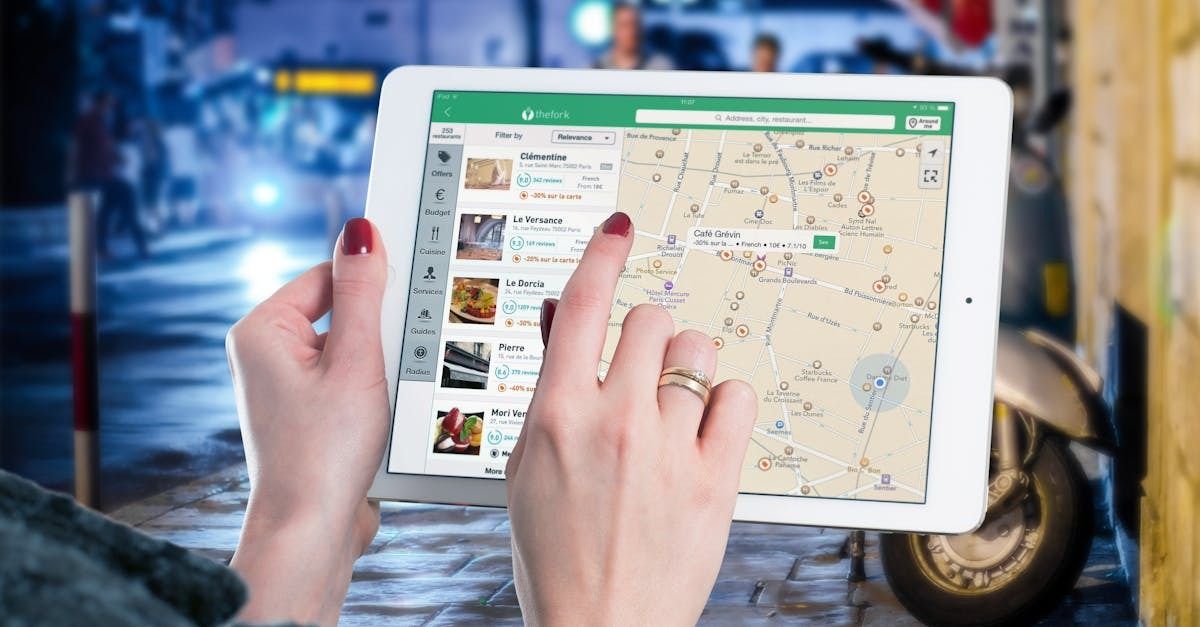 Planning Your Public Transit Journey
Accessible Travel Options In St. Louis
Riders with specific needs have real options here, not afterthoughts. Metro built accessibility into the core of its service, from lift-equipped vans to trains anyone can board. Here’s how those pieces fit together.
Metro Call-A-Ride For Enhanced Assistance
If a disability makes using regular buses or trains difficult, Metro Call-A-Ride is worth knowing about. It’s a paratransit service that provides curb-to-curb transportation. Anyone can use it, but priority goes to riders who genuinely can’t use the standard MetroBus or MetroLink.
Here’s a quick look at how it works:
Eligibility: Primarily for individuals with disabilities who can’t use fixed-route services. You might need to provide some information about your needs.
Service Area: It covers St. Louis City and St. Louis County.
Vehicles: All vans are equipped with lifts or ramps, making them suitable for wheelchairs and other mobility devices.
Scheduling: You can book rides in advance. For ADA-eligible trips, priority scheduling is available.
Companions: A personal care attendant can ride for free with an eligible rider. Other companions can ride too, usually for the same fare, but sometimes on a space-available basis.
Remember that Metro Call-A-Ride is a shared service. This means your trip might not be direct, as the vehicle may pick up or drop off other passengers. Plan your travel time accordingly, but the goal is for ADA-eligible trips to be comparable in length to what a fixed-route trip would be.
Ensuring Accessibility For All Riders
Beyond Call-A-Ride, the standard MetroBus and MetroLink services are also built with accessibility in mind. You’ll find that:
MetroBus: Every bus has a lift or ramp. There’s also priority seating for those who need it. Drivers announce major stops, and there are designated spaces for mobility devices.
MetroLink: All trains and stations are designed to be accessible. This includes audible and visual announcements at stations, and ticket machines with tactile buttons and braille. You can even request schedules in large print or braille.
Visitor Paratransit Services
Visitors with accessibility needs get the same accommodations residents do. Metro Call-A-Ride and the accessible features on MetroBus and MetroLink are all open to out-of-towners. Plan the trip ahead, and you can pull route and schedule details from various local business directories to find your way around and explore the city without transportation worries.
The MetroLink Red and Blue lines, made simple
St. Louis’s light rail, MetroLink, runs two lines across about 46 miles and 38 stations in Missouri and Illinois. The Red Line connects Lambert International Airport to Shiloh-Scott in Illinois — the one to know if you’re flying in or out. The Blue Line runs from Shrewsbury-Lansdowne in south county to Fairview Heights, Illinois. Both lines share the central corridor, so downtown, Forest Park-DeBaliviere (your stop for the Zoo, the Art Museum, and the History Museum), and the Central West End are served by both. A few stops worth memorizing: the Airport stations, Forest Park-DeBaliviere, Union Station, Stadium (for Busch Stadium and Ballpark Village), and Civic Center, the downtown hub.
Gateway Transportation Center: the all-in-one hub
If you’re combining modes, the Gateway Transportation Center downtown (430 S. 15th Street) is the single most useful spot to know. Open around the clock, it brings Amtrak, Greyhound, MetroBus, and MetroLink together under one roof, with a covered walkway to the adjacent Civic Center MetroLink station on both the Red and Blue lines. Arrive by train or intercity bus and you can step almost straight onto local transit, about as easy as it gets in the metro.
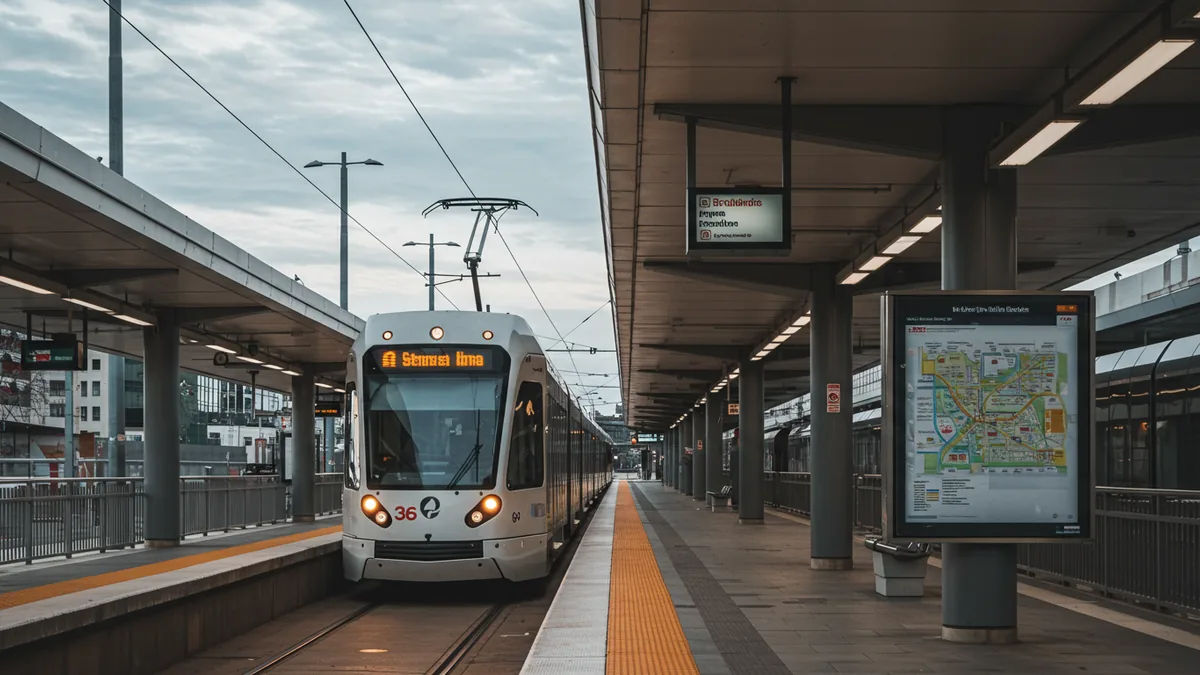
Plan trips (and pay) from your phone
The easiest way to navigate is the free Transit app (the one Metro recommends) or Metro’s own Trip Planner at metrostlouis.org/planner — both give you real-time bus and train locations, step-by-step trips, and service alerts, and the Transit app lets you buy and store mobile fares right on your phone. Prefer not to use an app? The reloadable Ride On card holds 7-day and 30-day passes, and live help is a call or text away at Transit Information, 314-231-2345 (text 314-207-9786), during weekday business hours.
A big money-saver: On The Way With ADA
Here’s a benefit many riders don’t know about: through Metro’s On The Way With ADA program, riders who are certified for ADA paratransit can ride regular MetroLink and MetroBus for free. For anyone who qualifies, that turns the fixed-route system into a no-cost option, a real difference for both independence and budget. Ask Metro’s ADA Service department about eligibility at 314-982-1510.
Hard left turn — is your Troy business findable? Local SEO in Troy decides that.
Mastering The City Map Of St. Louis Missouri
A transit map looks busy at first glance, all those colored lines and numbers. Give it ten minutes, though, and the logic clicks into place. The map is really just a shortcut to every corner of the city worth reaching.
Key Landmarks and Destinations
St. Louis is packed with places to see. The Gateway Arch is the obvious one, hard to miss on any map. Don’t stop there, though. The City Museum is part playground, part art installation, and unlike anywhere else. Forest Park is enormous, home to the zoo, art museum, and history museum. Knowing where these big attractions sit helps you plan your routes. You can also find local businesses and services on sites like the St Louis Near Me Directory to pinpoint specific neighborhoods or shops.
Understanding Route Information
A transit map is mostly lines and numbers. Those represent the bus routes and MetroLink lines, each with its own color and a number or name so you can follow it. Symbols mark major stops, transfer points, and sometimes points of interest. Watch the direction arrows – usually printed right on the route line – so you know whether you’re heading uptown or downtown, east or west. The rest is matching where you are to where you want to be.
Utilizing Transit Information Resources
You don’t have to figure it all out alone. The transit system offers plenty of resources to smooth the trip. Check schedules online or grab a printed copy. Many stations post real-time arrival displays, so you know exactly when your bus or train is coming. Unsure about a route? Customer service can map out the best way from point A to point B, transfers and all. A few things worth knowing:
Real-time arrival information is often available via text or online.
Printed schedules and maps can be requested in large print or braille.
Customer service representatives are ready to assist with trip planning.
Getting comfortable with the transit map and its symbols is your first real step toward independent travel. It’s like learning the language of the city’s transportation network. Once you can read it, you can go almost anywhere.
 Traveling For Independence
Travel Training For Independence
Riding public transit on your own can feel like a big step, and the right support makes it doable. St. Louis runs a free program built to help you gain confidence and independence on MetroBus and MetroLink. It works like a personal guide to the system, matched to how you learn.
Eligibility and Program Overview
Who can join? If you have a disability and want to get more comfortable riding the bus or light rail, you’re likely eligible. To get started, contact Metro’s free Travel Training program at 314-982-1510 or TTServices@MetroStLouis.org. The program serves the St. Louis area, including parts of St. Louis County and Illinois, and it costs nothing. No fees for learning to travel on your own, just more places you can reach under your own steam.
Individualized Instruction and Support
This isn’t a one-size-fits-all program. Before you start, an evaluation pins down exactly what you need to learn: reading bus routes, handling fare payment, or simply knowing which stop is yours. A qualified travel trainer then works with you one-on-one on practical skills like:
Identifying bus numbers and knowing when to signal your stop.
Safely boarding and exiting the bus or train.
Understanding how to handle unexpected situations, like missing your bus.
Learning about rider rights and responsibilities.
Practicing street crossing and community safety skills.
The trainer sticks with you, practicing trips to places you actually go, until you’re ready to travel solo. Skills build one trip at a time. If you’re visually impaired, you can also get help with Orientation & Mobility, so the training fits your pace and your needs. For more on local transit services, browse these Yellow Pages listings.
Outcomes of Successful Travel Training
What happens when you complete the training? You’ll have the skills to travel independently and safely. This means more freedom to visit friends, go to appointments, or just explore St. Louis on your own schedule. You’ll know how to plan your trips, use the system, and handle any hiccups that might come up. The goal is for you to feel secure and capable using MetroBus and MetroLink, reducing your reliance on others for transportation. It’s a big win for personal independence and accessing everything the city has to offer.
The training focuses on practical skills, building confidence through repeated practice and personalized guidance. It’s designed to make public transit feel less intimidating and more like a convenient tool for everyday life. The support continues even after the main training sessions, with follow-ups to make sure you’re meeting your travel goals.
If you’re interested in signing up or want more information, you can contact Metro Transit Travel Training directly. They’re there to answer your questions and get you started on your journey to independent travel.
Contacting St. Louis Transit Services
General Inquiries and Customer Service
Got a question about your bus route or need help figuring out the train schedule? The Transit Information line is your go-to. They can help you plan your trip, tell you when the next bus or train is coming, and even give you walking directions from the stop. For general feedback, compliments, or concerns about your ride, the Customer Service team is ready to listen. They’ll look into any service issues you bring up and record your thoughts about Metro Transit. Don’t hesitate to reach out; your input helps make the system better for everyone.
Transit Information: 314-231-2345 or 618-271-2345
Text for Transit Info: 314-207-9786
Customer Service: 314-982-1406 or 618-271-7879
Email Transit Information: TransitInformation@MetroStLouis.org
Email Customer Service: CustomerService@MetroStLouis.org
Reporting Service Concerns
If something isn’t right with your service, or you have a specific concern, reporting it is straightforward. You can contact Customer Service directly, and they will make sure your feedback gets to the right people. They are available during weekdays to take your calls and emails. For immediate safety concerns or to report something suspicious, the Metro Public Safety Department is available around the clock.
Accessibility and Special Needs Assistance
Metro Transit is committed to making its services accessible. If you have questions about accessibility features, need information in a different format, or require reasonable modifications to service, the ADA Coordinator is the person to contact. They handle all accessibility-related inquiries and complaints. For elevator status updates, there’s a dedicated line available 24/7. If you need assistance with Metro Call-A-Ride, separate numbers are available for reservations and for cancellations or general inquiries.
ADA Coordinator: 314-982-1525 (call 711 for Relay services)
Email ADA Coordinator: ADACoordinator@MetroStLouis.org
Elevator Status: 314-982-1400, ext. 1790
Metro Call-A-Ride Reservations: 314-652-3617 or 888-652-3617
Metro Call-A-Ride Cancellations/Inquiries: 314-982-1505 (or text 314-742-3051)
For those who are deaf, hard of hearing, or have speech disabilities, you can use the Missouri Relay service by dialing 711 to connect with any of the listed Metro Transit numbers. This ensures everyone can get the information and assistance they need.
For those who are deaf, hard of hearing, or have speech disabilities, you can use the Missouri Relay service by dialing 711 to connect with any of the listed Metro Transit numbers. This ensures everyone can get the information and assistance they need.
Remember, reaching out is the first step to resolving issues or getting the help you need to travel around St. Louis. You can find more information about transit services at the Union Station MetroLink Station.
Need to get in touch with St. Louis Transit Services? We’ve gathered all the ways you can reach them right here. Whether you have a question, a suggestion, or need help with a specific issue, finding the right contact information is simple. Visit our website to discover the best ways to connect with St. Louis Transit Services today!
Now that you can get around, see what’s worth going to: our season-by-season guide to St. Louis’s best annual events and festivals (many are transit-accessible).
Getting around is half the adventure. Browse the Travel & Vacations listings in the St Louis Near Me directory to plan your next outing across the metro.
If you’re the one providing this, claim your spot. How much is “word-of-mouth will carry us” quietly costing you each month? When someone asks ChatGPT for the best in your field near them, whose name does it say? If your sign fell down tomorrow, would anyone online still know you exist? See how it works →
Frequently Asked Questions
How can I figure out the best way to get around St. Louis using public transport?
You can plan your public transit trip by using the Metro website or by calling their transit information line. They can help you find the right bus or train routes, tell you when they run, and even help you figure out how to walk to your stop. It’s like having a personal guide for your journey!
What if I need a little extra help getting around on public transport?
No problem! St. Louis offers services like Metro Call-A-Ride, which is a special van service for people who need more assistance. All their vans have ramps or lifts, and they can help you get to appointments or just around town. Plus, all Metro buses and trains are designed to be accessible for everyone.
Are St. Louis buses and trains easy to use if I have a disability?
Absolutely! All Metro buses have ramps or lifts, and the trains and stations are built to be accessible. They have special seating for those who need it, and announcements are made so you know where you are. Ticket machines also have features like braille to make things easier.
Can I get help learning how to use the buses and trains?
Yes, you can! Metro offers a free ’Travel Training’ program. A friendly trainer will teach you everything you need to know, like how to find your stop, get on and off safely, and even what to do if something unexpected happens. It’s all about helping you travel with confidence.
What are the main benefits of using MetroBus and MetroLink?
Using MetroBus and MetroLink is a great way to save money and avoid the hassle of driving and parking. You can choose when you want to leave, and the rides are usually direct and predictable. Plus, the MetroLink train can take you to many places without needing to switch buses.
How do I contact St. Louis transit services if I have a question or a problem?
You have a few options! For general questions or to plan a trip, you can call Transit Information. If you have a concern about a service, you can contact Customer Service. They also have specific numbers for things like elevator status or reporting safety issues. You can even text them for quick questions!

Written by a dedicated team of St. Louis locals who live, work, and play right here in the St. Louis metro. Founder Lane Forman and team are committed to building the region’s most trusted directory by verifying listings and connecting local businesses with loyal customers across Missouri and Illinois.