Two Inches of Water, 11 p.m.: Business Description Examples That Win the Call
Revised November 8, 2026
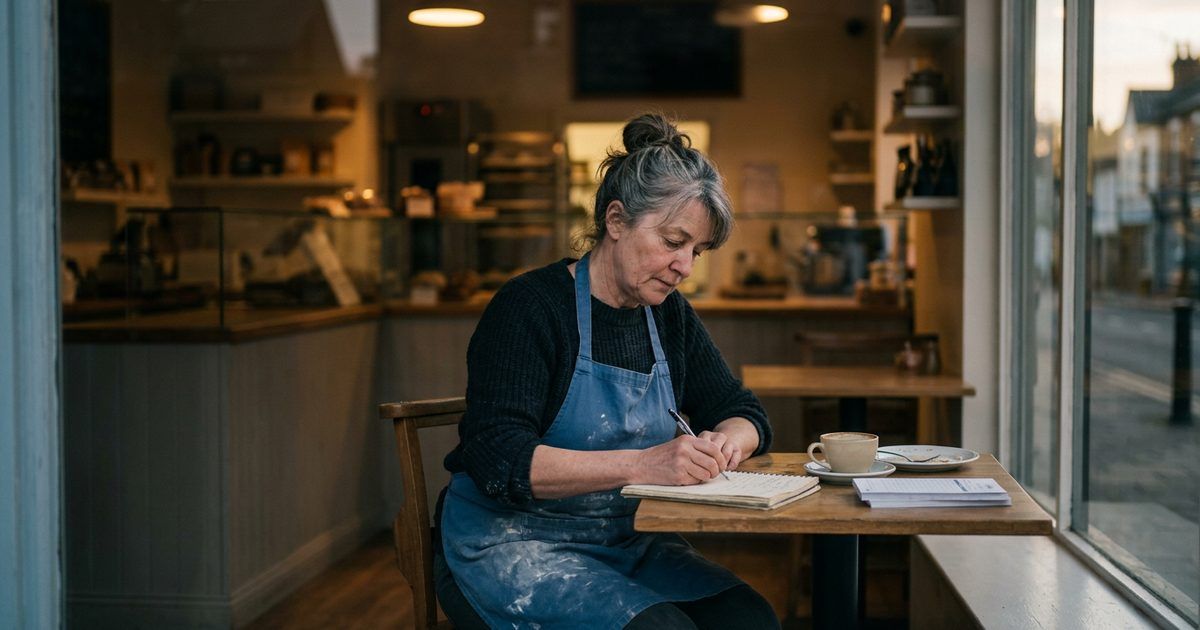
What do I put for a business description?
Put four things in this order: who you help and with what, where you work, why you’re the safe choice, and what to do next. Lead with the first two in plain words, because a stranger and an AI both read your opening lines first, and both skip adjectives they can’t check.
Keep reading ↓Two inches of water on the basement floor, 11 p.m., wet socks on the bottom step of a brick ranch in north county, and the homeowner is scrolling plumbers on her phone with the sump pump silent behind her. Every listing says licensed. She has no idea which ones mean it, or licensed by whom.
Her own city has already told her what to look for. One north county city’s own permit page says plumbing permits are issued to master plumbers and drain layers who are licensed by St Louis County, and it tells residents they may verify qualifications by asking to see the company’s license. Cross into the City of St. Louis and a different office runs it: the City’s own Plumbers and Drainlayers Board of Examiners reviews licensing matters, apprentice applications and complaints for plumbing and drainlaying work in the City. Two governments, two licenses, one word on your listing. And both can be checked tonight: that north county page points residents to the St. Louis County website, and the City’s Building Division lists (314) 622-3313 for licensing questions. If a homeowner can check it in one call, she will, and the listing that already named the office never has to wait for that call.
In St. Louis, “licensed” is half a sentence. By itself it answers nothing. “Licensed by St. Louis County” answers the exact question her city told her to ask, before she has to ask it. That is what a business description is for, and almost none of them do it. Most spend their two lines on “family-owned and operated, dedicated to quality,” and the thumb moves on.
Here’s the line to forward to every tradesperson you know. That same permit page says electrical permits are issued to electrical contractors who are licensed by St. Louis County. Then it turns to boilers, gas piping and wood stoves and says mechanical work is not required to be performed by a licensed contractor or individual. Same city hall, same page, and the word “licensed” means a County card for one trade and nothing at all for the next. An electrician who writes “licensed by St. Louis County” has handed the homeowner something she can check in one call. One who writes “licensed” has handed her a guess.
Here is what the fix looks like. This is a sample written for a made-up north county plumber, not a real business, so borrow the shape and use your own facts.
Before: “Family-owned and operated. We take pride in quality workmanship and customer satisfaction. Call today!”
After: “Clogged drains, leaks and water heaters in older brick homes across north St. Louis County. Licensed by St. Louis County, insured, and you get the price before we start. Call before 10 a.m. for a same-day visit.”
Read the after version the way she would, standing in the water. Her problem is in the first five words. Her kind of house is in the first line. The office that licensed the plumber is named, which is the exact thing her city told her to check.
That sentence didn’t come from laziness. It came from a blank box on a sign-up form that said “Tell us about your business,” filled out between jobs, on a phone, after a long shift. Every listing form invites the same polite filler, so every listing ends up sounding the same. The template is the problem. You’re not.
The people who run those boxes ask for something better, in writing. Google’s own guidelines for a Business Profile say to use the business description field to provide useful information on services and products offered. The same page lists what isn’t allowed, with two examples worth taping above the desk: “Everything on sale, -50%” and “Best bagels in town for $5!” It also says no links of any type are allowed. The box was never meant for slogans, prices or a web address.
Three small steps get you most of the way, and none takes more than a lunch break. Check your description against the box’s own rules: services and products first, no prices, no links. If your trade carries a local license, name the office that issued it, the way that permit page tells homeowners to check. Then read your first two lines out loud, as if a stranger were standing in a wet basement listening. When did you last read yours, all of it, out loud?
What do I put for a business description?
Put four things in this order: who you help and with what, where you work, why you’re the safe choice, and what to do next. Lead with the first two in plain words, because a stranger and an AI both read your opening lines first, and both skip adjectives they can’t check.
Who you help, with what. Use the job in the customer’s own words. “Clogged drains and water heaters,” not “comprehensive plumbing solutions.” Nobody has ever typed “solutions” into a search bar with a wet floor.
Where. Name the places you actually work, the way people here say them: north county, south city, the Metro East, both sides of the river. “Serving the greater St. Louis area” covers everyone and promises nobody anything.
Why you’re the safe choice. Give proof a stranger can check: who issued your license, how long you’ve done this exact work, what you guarantee, who actually shows up at the door.
What to do next. One action, with a detail that makes it easy. Call before 10 for same-day. Order by midweek for the weekend. Text a photo of the problem.
That’s the whole formula. History, mission, how Grandpa started with one truck: keep it if you like, after those four lines. Interested strangers read on. The rest never would have.
The two tests every About section should survive
A stranger reads for three answers in about the time it takes a light to change on Gravois: do you do my job, do you do it near me, and can I trust you with it. On a phone it’s even tighter, because plenty of listing pages show only the opening of your description and tuck the rest behind a “more” link. So run two tests on your own.
The swap test: paste a competitor’s name over yours. If the paragraph still works, it isn’t yours yet. “Quality service at a fair price” survives the swap every time. “Licensed by St. Louis County, same-day if you call before 10” doesn’t, because it belongs to one business.
The city test: replace “St. Louis” with “Omaha.” If nothing else breaks, a stranger here has no reason to pick you over a business anywhere else. Name the places, the housing, the local quirks you know cold, like the brick two-family on a narrow lot or the basement that takes water every hard spring.
Why do most About sections sound exactly alike?
Because the old advice was to list everywhere and let customers find you. So owners did the sensible thing with an impossible job: wrote one blurb fast, pasted it into twenty sign-up forms, and never went back. Years later, that blurb is still out there. On one profile you close at 5. On another the hours are from two summers ago. On a third, the platform runs a competitor’s ad right beside your paragraph.
You didn’t do anything wrong. The list-everywhere-and-hope approach did exactly what it was built to do: it gave you mentions. It never gave you answers. And answers are what people want now. Who can come today. Who’ll tell me the price before starting. An About that answers questions like those, kept current in one place, beats a hundred copies of filler.
What do good business description examples look like?
They’re specific, local and a little boring in the best way. Here are five, all made up for this guide, each with a “before” written the way most of us start and an “after” built on the formula. Borrow the structure and swap in your own facts.
1. The plumber in north county
You met this one at the top of the page: the problem first, the brick house second, the licensing office named, and one easy next step. Here are four more trades built the same way.
2. The bakery in the Metro East
Before: “Welcome to our bakery! Everything is baked fresh daily with love and the finest ingredients. Stop in and treat yourself!”
After: “Gooey butter cake by the slab or the pan, custom birthday cakes, and coffee first thing in the morning, on the Illinois side, on the way home from downtown. Order cakes by midweek for the weekend; call or message us.”
Why it works: gooey butter cake is the St. Louis word people actually type, and “the finest ingredients” is what every bakery types. The location line tells a commuter you’re on the way, so they order ahead instead of meeting an empty case.
3. The bookkeeper who works both sides of the river
Before: “We provide comprehensive bookkeeping and accounting services tailored to your unique business needs.”
After: “Monthly bookkeeping and payroll for contractors and restaurants, in Missouri and Illinois. If your crew works inside the City of St. Louis, we handle the city earnings tax filings so they’re right the first time. Book a short call to see if we’re a fit.”
Why it works: “tailored to your unique needs” is what a service business says before it has decided who it’s for. The after picks a customer, then names the local headache that customer dreads.
4. The dog groomer who takes the big dogs
Before: “We love pets! Our caring, professional team treats every pet like family.”
After: “Grooming for big and double-coated dogs: huskies, goldens, shepherds and doodles. One dog at a time, no cage dryers, and a full deshed before the St. Louis summer gets sticky. Text us a photo of your dog’s coat and we’ll tell you the time and the price.”
Why it works: the owner of a big shedding dog has been turned away before. Naming those breeds in line one says yes, yours too.
Selling yourself, not a product? Borrow the coaches’ playbook.
5. The portrait photographer
Before: “Capturing life’s precious moments with passion and creativity. Every session is unique!”
After: “Senior portraits and family photos outdoors around St. Louis. Sessions are short, galleries arrive fast, and I’ll help you pick a spot and sort out any permit it needs. Message me your date and your school.”
Why it works: it answers the logistics a parent is quietly worried about before they have to ask. Notice what none of the five say. No “best.” No “premier.” No “we do it all.” Every claim is something a customer could check or hold you to.
How long should a business description be?
Long enough to answer the four questions, short enough that the first two lines work on their own. For most small businesses that’s three to six sentences up top, with any history after. Different sites give you different boxes (our guide to the Google local business listing covers that profile), so keep three versions that share one opening line:
- One sentence for bios, social profiles and tight fields.
- The short version, about 50 to 80 words, for most listing boxes: the four-part formula, nothing else.
- The full version for any About with room to breathe, plus your services, your story and answers to the questions people ask on the phone.
Same first sentence everywhere. The stranger who bumps into you on three sites hears the same answer three times, and that’s how a name turns into trust. You’ll paste this onto Yahoo local business listings, map apps and every directory you join, so make sure the version that spreads is the good one. It’s also the one piece of writing you’ll reuse on almost every site in our map of where to advertise your business for free.

Does AI read your About section, and what does it look for?
It reads what it can find, and it looks for answers. When someone asks an assistant for “a plumber in south city who can come today,” the reply gets built from text it can read about real businesses. A line like “licensed with the City of St. Louis, same-day if you call before 10” can be lifted straight into that reply. A vague promise of quality can’t, because it answers nothing anyone asked.
A mention is not an answer. Twenty profiles that carry your name, phone and “quality service” give an AI twenty ways to know you exist and zero reasons to recommend you. Nobody can promise you an AI will name your business. What you control is whether there’s something worth quoting when it looks.
What should your logo, photo and banner say before anyone reads a word?
The same thing your first line says: what you do, and that you’re real. Each image has a different job anywhere you’re listed.
- The logo has to read at thumbnail size, on a phone, in a list of other businesses.
- The profile photo works best as a real face: you, your crew, the person who’ll actually show up.
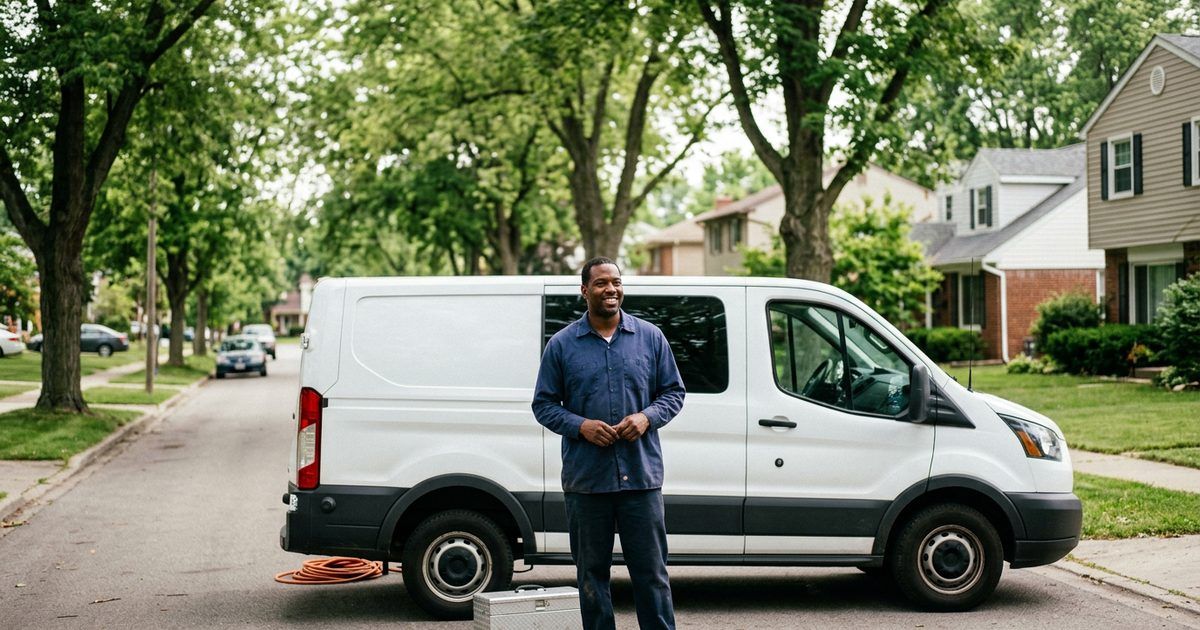
- The banner should show the work somewhere that looks like here. Your van on a street of brick houses. A tray of gooey butter cake on your own counter.
Where does your About section do the most work?
On a listing you control, with room for the whole story and nothing competing with it. Here’s that home on our side, said plainly. On St Louis Near Me Directory, Gold is the foundation everything gets built on. Gold puts your story in up to 10 categories and up to 40 location tags, adds room under your About for the specifics that don’t fit in two lines, and opens up posts: events, job openings, coupons and offers, products, videos and blog posts you publish yourself. The Gold plan page says every profile detail can be indexed by Google, Bing, Yahoo & AI platforms. It’s $357 a year or $107 a quarter, and no charge is made until your 7-day trial ends. We never hide your listing and never sell your data. If you’d rather we did more of the work, Platinum doubles what Gold includes and Diamond triples it.
That’s the gap between a mention and a listing that works like your own website: one place where your About, your photos, this week’s opening and next month’s event live together. If you’re still weighing whether you need a website or a listing, that guide walks through it honestly. Want to see it done? Open our model profile and read its About the way a stranger would, then see why owners join.
- Can your business use coupons? Browse the coupons board and our coupon ideas for small business.
- Hiring? See the jobs board and our guide to where to post job openings.
- Shooting video? Watch a few on the videos board and read up on video marketing for small business.
- Got a story worth telling? Start with our blog and the honest answer to does blogging help SEO.
If a stranger read only the first two lines of your About, would they know what you do and where you do it? If an AI quoted you tonight, what would it have to quote? Read yours out loud once this week, then run the swap test. For a model to copy, study the coaches’ playbook.
If you’re the plumber, the baker or the one-person crew with an About nobody reads, the next call can still be yours. Strangers become customers when your first two lines answer them. See who AI names instead of you, start your listing, see what Gold adds, or see how it works. Refuse to be invisible.
Frequently asked questions
How do I describe my business in one sentence?
Use this shape: what you do, for whom, where, plus one thing a stranger can check. For example: “Licensed plumber fixing drains and water heaters in older brick homes across south city, same-day if you call before 10.” If it would still be true with a competitor’s name on it, add the detail only you can claim.
Can you provide an example of a short business description?
A made-up bakery: “Gooey butter cake by the slab or the pan, custom birthday cakes and coffee first thing in the morning, on the Illinois side. Order cakes by midweek for the weekend.” What, where and what next, and not a word spent on a founding year.
What to put in a business profile?
Your name, address and phone exactly as they appear everywhere else, your hours, the categories you really work in, a logo, a real photo and an About built on the four-part formula. On St Louis Near Me Directory, Gold adds more categories, location tags and posts on top of that.
How long should a business description be?
Three to six sentences up top for most small businesses, with the first two strong enough to stand alone, then any history or extra detail after. Keep a one-sentence version, a short version of about 50 to 80 words and a full version that all share the same opening line.
What are some good words to describe a business?
Concrete ones a customer can check: licensed, insured, same-day, by appointment, written estimate, plus your exact services and places. Words that praise without proving, like quality, passionate, premier, best and solutions, get skimmed by people and give AI nothing to quote.
Can AI create a company profile?
Yes, as a draft. An AI turns notes into clean sentences in seconds. What it can’t know is your license, your service area, what you guarantee and how people should book. Give it those specifics, check every claim, and cut anything you couldn’t say to a customer’s face. A Gold profile on St Louis Near Me Directory includes a ChatGPT editor for exactly that kind of first draft.
What is a good simple bio?
Name, what you do, who it’s for, one proof and one human detail: “I’m a portrait photographer shooting seniors and families outdoors around St. Louis. Ask me where I went to high school.” Use first person if you are the business, and keep the human detail true.
How to write a description for a business?
List the questions customers ask you on the phone. Answer the top four in this order: what you do, where, why you’re the safe choice, what to do next. Leave out links and sale prices, since Google’s description guidelines say no links of any type are allowed and list price promotions as content not allowed. Read the first two lines alone and rewrite them until they stand up.

Written by a dedicated team of St. Louis locals who live, work, and play right here in the St. Louis metro. Founder Lane Forman and team are committed to building the region’s most trusted directory by verifying listings and connecting local businesses with loyal customers across Missouri and Illinois.