St. Louis Small Business Promotions: Offers That Actually Bring Customers
Revised August 29, 2026
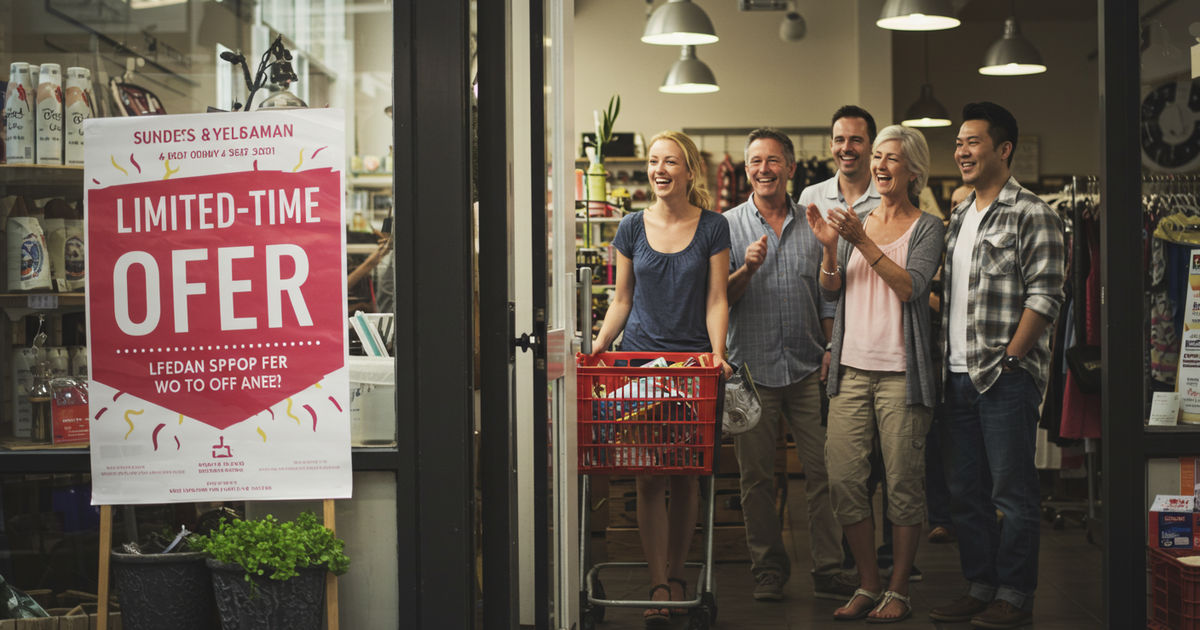
What is the best way to promote my small business?
The best way to promote a small business is to pair a specific, time-limited offer with placement where local customers already look — your Google Business Profile, listings, reviews, email or text list, and community channels — not a vague discount posted into the void. Give people a clear reason to act now, delivered where ready-to-buy locals already are, and even a modest offer can fill your calendar.
Keep reading ↓Every small-business owner has run a promotion that flopped. You posted a discount, boosted it on social media, and… crickets. A few likes, no real customers, and a nagging sense that “promotions don’t work for a business like mine.” Meanwhile, the shop down the street runs a simple offer and has a line out the door. The difference is almost never the discount itself — it’s how and where the promotion was run.
Good promotions are one of the fastest ways to bring customers through the door, but only when they’re built right. This is a practical guide for St. Louis small businesses on how to promote effectively in 2026: the ideas that actually work, what separates a promotion that converts from one that’s ignored, the main types of promotion, and where to put your offer so the right local people see it — so your next promotion brings customers, not just clicks.
What Is the Best Way to Promote Your Small Business?
The best way to promote a small business is to pair a specific, time-limited offer with placement where local customers are already looking — not to shout a vague discount into the void. A promotion works when it gives a clear reason to act now (a real deal, a deadline) and it appears in front of people with local intent: your Google Business Profile, your listings, your reviews, your email list, and the community channels your neighbors actually use. The mistake most owners make is treating “promotion” as “post a coupon and hope.” The businesses that win treat it as a targeted offer, delivered where ready-to-buy customers already are.
Everything else in this guide serves that one principle: make the offer compelling and specific, then put it where nearby people who want what you sell will actually see it. Get those two things right and even a modest discount can fill your calendar. Get either one wrong — a fuzzy offer, or a great deal that the right people never see — and it doesn’t matter how generous you were; the promotion falls flat.
What Are Good Promotion Ideas for a Small Business?
The right promotion depends on your business, but these consistently work for local businesses. First-time customer offers lower the barrier for someone to try you. Limited-time deals (this week only, this weekend) use urgency to drive action. Bundle or package deals raise the average sale while feeling like a win to the customer. Loyalty and referral rewards turn existing customers into repeat visits and new business — a “bring a friend” or “refer a neighbor” offer is powerful because it borrows trust. Seasonal and event-tied promotions (a back-to-school special, a Cardinals-opening-day deal, a holiday package) feel timely and local. And free consultations, samples, or add-ons let people experience your quality risk-free. The key across all of them: keep it simple, make the value obvious, and give it a clear end date.
What Makes a Promotion Actually Convert?
The same offer can flop or fill your schedule depending on a few details. Specificity: “$25 off your first service” beats “great deals” every time, because the customer knows exactly what they get. Urgency: a real deadline turns “someday” into “today” — open-ended offers get postponed forever. A single, clear call to action: tell people exactly what to do next (call, book online, mention this offer). Easy redemption: if claiming the deal is confusing, you lose people at the finish line. And honesty: a promotion that feels like a gimmick or hides conditions damages trust more than it helps. The best promotions remove every reason to hesitate and every reason to distrust — a clear value, a clear deadline, and a clear next step.
Where Should You Promote in St. Louis?
A great offer seen by the wrong people (or no one) is wasted, so placement is half the battle. Start with your Google Business Profile: its free “offer” and “event” posts put your promotion directly in Google Search and Maps when someone looks you up — criminally underused. Feature it on your website and local directory listing so it’s visible to anyone checking you out. Send it to your email or text list, which reaches the warm customers most likely to act. Share it in community channels — neighborhood Facebook groups and Nextdoor — where local intent is high (helpfully, not spammily). And amplify it on the social platform your customers actually use. The theme is local: put your offer where nearby, ready-to-buy people already are, rather than paying to interrupt strangers who’ll never visit.
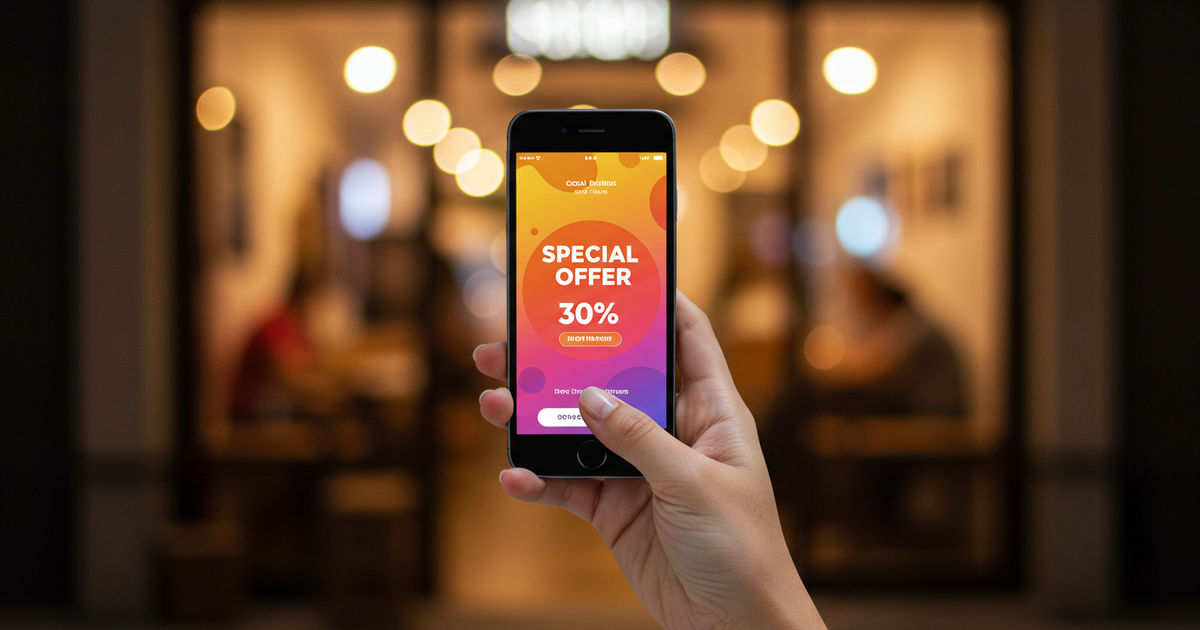
A St. Louis Promotion, Start to Finish
Picture how this comes together for, say, a neighborhood auto shop heading into a slow stretch. Instead of a vague “discounts available” post, the owner builds a specific offer: “$30 off a full synthetic oil change — this month only, mention this deal.” It goes up as an offer post on the Google Business Profile, gets featured on the shop’s local directory listing, goes out as a quick text to the existing customer list, and gets shared once (helpfully) in the neighborhood Facebook group. A “refer a neighbor, you both save” line rides along with it. The result isn’t magic — it’s a clear, time-limited value placed in front of exactly the nearby people most likely to need an oil change, with an easy way to claim it. That’s the entire recipe, and it works across almost any local business: specific offer, real deadline, local placement, easy redemption.
Common Promotion Mistakes to Avoid
A few missteps sink otherwise good offers. Being vague — “great savings” instead of a concrete number — gives customers nothing to act on. No deadline lets everyone postpone forever. Discounting too deeply or too often trains customers to only buy on sale and eats your margin. Promoting to strangers through broad paid ads, instead of the warm, nearby audience already inclined to buy. And making redemption a hassle — a confusing code, fine print, or an awkward process — loses people at the last step. Most failed promotions aren’t failures of generosity; they’re failures of clarity and placement. Fix those, and the same discount that once flopped can fill your week.
Total tangent — if you’re suddenly hungry, here’s where to eat in North Venice.
How to Tell If a Promotion Worked
Don’t just eyeball it — build in a way to measure. The simplest method is to make the offer trackable: a “mention this deal” line, a unique code, or a dedicated booking link tells you exactly how many customers the promotion actually brought in, not just how many people liked the post. Watch the numbers that matter — redemptions, new customers, and the revenue the promotion generated versus the discount you gave up. Also notice the softer signals: a bump in calls and direction requests on your Google Business Profile, or new customers mentioning the offer. A promotion that generated real, trackable customers is one to run again; one that only earned likes needs a sharper offer or better placement next time. Measuring turns promotions from guesswork into a repeatable engine.
Timing Promotions Around the St. Louis Calendar
Timing multiplies a promotion’s power, and St. Louis gives you a rich calendar to work with. Tie offers to the local rhythm: a spring cleanup special as the weather breaks, a back-to-school deal in late summer, an opening-day or big-game promotion for a business near the action, a holiday package in the fourth quarter. Use promotions strategically to fill your slow periods rather than your busy ones — a discount during your natural rush just gives away margin you’d have earned anyway. And lean into genuinely local moments, from neighborhood festivals to community events, which make an offer feel timely and rooted rather than generic. A well-timed promotion meets customers exactly when they’re already thinking about what you sell.
What Are the Types of Promotion?
It helps to know the toolbox. Marketers traditionally group promotion into a few methods, and small businesses can mix and match: sales promotions (discounts, coupons, BOGO, limited-time offers — the direct “act now” deals), advertising (paid placement, though for local businesses this is often the least efficient), personal selling and word of mouth (the relationship-driven recommendations that are gold for local businesses), public relations and community involvement (sponsorships, local events, press — building goodwill and reputation), and direct marketing (email, text, and targeted outreach to your own audience). For a St. Louis small business, the highest-return mix is usually sales promotions to drive immediate action, direct marketing to your own list, and genuine community involvement to build the word-of-mouth that no ad budget can buy. You don’t need all of them — pick the two or three that fit your business and your neighbors, and do those consistently rather than scattering effort across every channel at once.
Want your promotions seen by nearby customers who are ready to buy? A complete listing on the St Louis Near Me Directory puts your business — and your current offers — in front of local customers searching across the whole metro, Missouri and Illinois alike.
Make your next offer land. Listing your business gives your promotions a local home where ready-to-buy neighbors, and the AI tools they use, can find them.
More for St. Louis Businesses
- The 2026 St. Louis small-business marketing playbook
- How to promote a local event in St. Louis
- Hyperlocal marketing for St. Louis businesses
Frequently Asked Questions
What are some good promotion ideas for a small business?
First-time-customer offers, limited-time deals, bundles or packages, loyalty and referral rewards (“bring a friend”), seasonal or event-tied specials, and free consultations, samples, or add-ons all work well for local businesses. Keep each one simple, make the value obvious, and give it a clear end date. The specific idea matters less than making the offer compelling, easy to claim, and time-limited.
What makes a promotion actually work?
Specificity (“$25 off your first service” beats “great deals”), urgency (a real deadline turns “someday” into “today”), a single clear call to action, easy redemption, and honesty. The best promotions remove every reason to hesitate and every reason to distrust — a clear value, a clear deadline, and a clear next step — and they’re placed where nearby, ready-to-buy customers will actually see them.
What are the types of promotion?
The main methods are sales promotions (discounts, coupons, BOGO, limited-time offers), advertising (paid placement), personal selling and word of mouth, public relations and community involvement (sponsorships, events), and direct marketing (email, text, targeted outreach). For a local small business, the highest-return mix is usually sales promotions, direct marketing to your own list, and genuine community involvement.
How do I promote my own business for free?
Use the free tools you already have: post offers and events on your Google Business Profile, feature them on your website and local directory listing, email or text your existing customers, and share (helpfully) in neighborhood Facebook groups and on Nextdoor. Add a referral ask so happy customers bring friends. These free, local channels reach ready-to-buy neighbors far more efficiently than paid ads.
How often should a small business run promotions?
Often enough to stay top-of-mind, but not so often that discounts become an expectation that erodes your prices. A good rhythm for most local businesses is a few well-timed promotions a year — tied to seasons, events, or slow periods — plus always-on offers like a first-time-customer deal and a referral reward. Quality and timing beat constant discounting, which can train customers to only buy on sale and quietly erode the prices your business depends on.
What are some good promotions for small businesses?
Specific ones. “$25 off your first service” beats “great deals” every time, because the customer knows exactly what they are getting. Put a number and a date on it, make it easy to redeem, and give staff a one-line script so the offer survives contact with the counter.
Where can I promote my small business for free?
Your Google Business Profile updates, Apple Business Connect, Facebook, your Chamber newsletter, neighborhood groups, and a local directory listing. The free channels reach people already looking for you — which is why a specific offer posted there converts better than a paid impression to strangers.
What is the fastest way to promote your business?
Post a specific, dated offer to the profile people already find, and tell your existing customers directly. Both take an afternoon. Anything requiring new audience-building takes weeks before it moves a number, however urgent it feels.
What is the 3-3-3 rule in marketing?
There is no single agreed definition — it gets used for three seconds to hook, three lines to explain, three reasons to act, and for several unrelated frameworks besides. Treat it as a memory aid rather than a rule, and be wary of anyone selling it as a system.

Written by a dedicated team of St. Louis locals who live, work, and play right here in the St. Louis metro. Founder Lane Forman and team are committed to building the region’s most trusted directory by verifying listings and connecting local businesses with loyal customers across Missouri and Illinois.