Fostering Pets in St. Louis: Who Pays, and the Six-Week Kitten Catch
Revised November 5, 2026
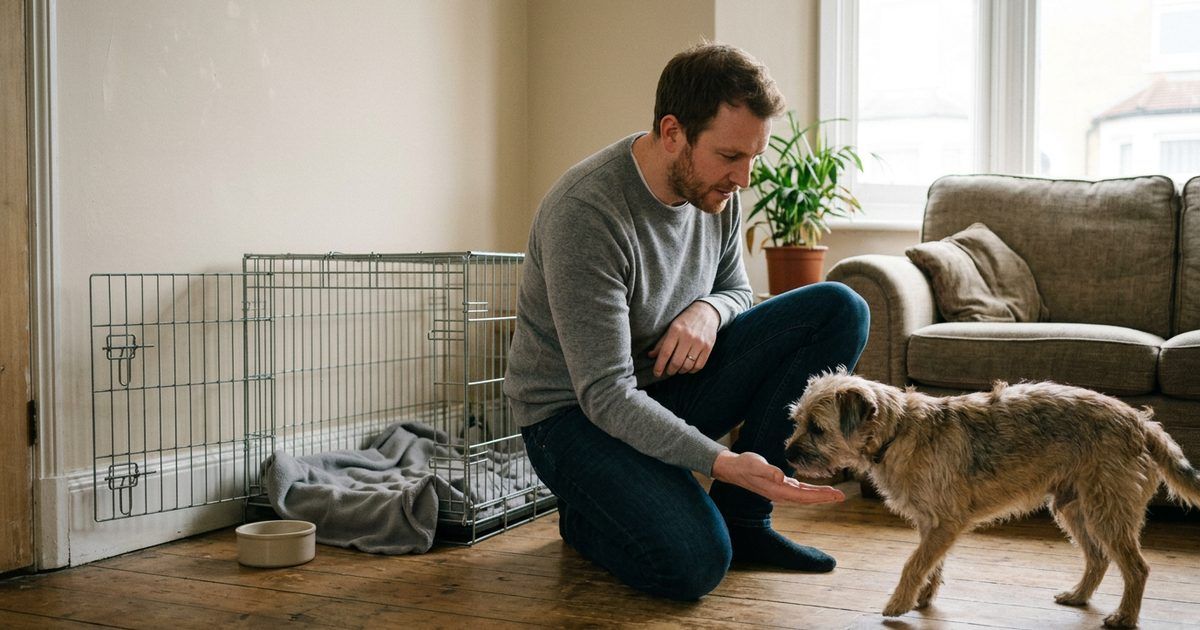
Who pays when you foster a dog?
In St. Louis, the shelter or rescue pays. Stray Rescue, the APA, the Humane Society of Missouri and CARE STL all supply food, gear and vet care at no charge to fosters. You cover your time, the drives to their clinic, anything you buy on your own, and any vet bill you run up without approval first.
Keep reading ↓Foster kittens grow into a code violation. Not right away. Right now the laundry basket in the back bedroom smells like warm towels and kitten breath. Five of them, eyes barely open, piled like socks, and their mother watching you from the closet floor with her tail wrapped tight. You said yes to the shelter on the phone in about four seconds. Nobody mentioned a deadline.
Here it is. In the City of St. Louis, no more than four domestic animals may be kept on one parcel of property in a residential-zoned district unless the owner gets a non-commercial kennel permit. The City’s ordinance counts “a dog or cat, including any puppy or kitten, which is more than six weeks old.” And the limit is set by parcel, not person, so the roommate’s cat upstairs counts too. Two dogs and a cat, plus a nursing mom, makes four. Legal, right at the line. Once her kittens are more than six weeks old, the house is over the limit. The same City page lists the Citizens’ Service Bureau at (314) 622-4800 for animal-related concerns, so call before week six and ask about the permit, or ask the rescue to set a pickup or adoption date for the litter before that birthday.
Screenshot that before you say yes to a litter. Then read the rest of the fine print, because the free-food, free-crate, free-vet pitch every St. Louis shelter makes is true and still stops right where the paperwork starts. One foster agreement we read makes you responsible for any vet bill the shelter didn’t approve first. One program wants you within about 45 minutes of its clinic, since you’ll be driving there for every appointment. Two say in writing that nothing you buy gets reimbursed.
None of that is a reason to skip fostering. It’s the reason some people foster one dog and quit, and others are still at it ten years later. The ones who last read the fine print before the dog is in the back seat. They pick a program that fits the life they actually have: the commute, the lease, the cat who hates everybody.
So here’s how fostering really works around St. Louis, program by program. Who pays for what, how long a foster lasts, what your home needs, and the pet-limit math almost nobody checks before saying yes to a litter. Program details come from each organization’s own foster pages and forms, plus launch coverage of the County’s program, and they change, so confirm with the foster coordinator before you sign anything. And once a dog is riding shotgun, keep our guide to dog-friendly places in St. Louis close for the weekends.
Who pays when you foster a dog?
In St. Louis, the shelter or rescue pays. Stray Rescue, the APA, the Humane Society of Missouri and CARE STL all supply food, gear and vet care at no charge to fosters. You cover your time, the drives to their clinic, anything you buy on your own, and any vet bill you run up without approval first.
Here’s what each program puts in writing. Stray Rescue of St. Louis says in its foster FAQ that it supplies all medical care plus a crate, ex-pens, puppy pads, toys, beds and food, with support and training as needed. The APA Adoption Center lists food, litter, pee pads and leashes and promises to cover the rest. The Humane Society of Missouri says all food, medical care and supplies come from HSMO. CARE STL sends fosters home with food, a crate, toys, a collar, tag and leash, and treats, and it runs a vet clinic on site. St. Louis County’s shelter, which opened fostering to the public for the first time in June 2025, was reported at launch to cover food, crates, toys and medical care. Confirm the current list with its foster team at 314-615-0650.
So where does a foster’s own money go? Five places. Every one of them is avoidable, or at least predictable.
The vet visit nobody approved. HSMO’s posted foster agreement makes the foster responsible for any unauthorized medical expense and asks you to call a foster care representative before seeking treatment, emergencies included. CARE STL tells fosters not to take the animal to their own vet at all. Carry a limping foster into your family clinic on a Saturday without a phone call, and that invoice is probably yours.
Gas and time. The APA’s foster terms make you responsible for driving your foster to and from medical and adoption appointments. Stray Rescue requires you to come in to its Pine Street building for every vet appointment.
Anything extra you buy. The APA’s terms and HSMO’s agreement both say purchases won’t be reimbursed. The nice harness is a gift.
Damage. HSMO’s agreement asks you to hold it harmless for damage the foster causes to people, property or pets, and the APA’s terms carry a similar release. A chewed baseboard is yours, and so, very likely, is your own dog’s vet bill if the two of them scrap. Read what your homeowners or renters policy says about animals you don’t own.
Pet rent. If your lease charges it, a foster usually counts. More on that in the FAQ below.
Then there’s the cost that never shows up on a receipt. Stray Rescue’s FAQ explains that once a dog leaves the shelter for a foster home, its kennel is filled by another dog or cat in need immediately. That’s why the rescue asks fosters to give a new animal time to adjust and to use every resource before bringing it back. Your spare room becomes a second kennel, and the first one is already full again.
Which is the whole point. A shelter’s capacity isn’t the number of runs in the building. It’s the runs plus every foster home it can call, and in St. Louis the foster homes are the part that can actually grow.

How does fostering work with St. Louis shelters and rescues?
Every program runs the same basic loop. You apply, get matched, take the animal home with supplies, bring it in for vet care and adoption events, then hand it to its new family. The differences live in the rules around that loop, and they’re big enough to decide which program fits you.
Stray Rescue of St. Louis. The strictest on paper and the most hands-on. You need to be 21 or older with ID showing your current address, live within about 45 minutes of the shelter at 2320 Pine Street, and have your landlord’s knowledge and consent if you rent. The checklist it hands new fosters asks you to call its vet clinic within 24 hours of pickup, sign up for adoption events and send a bio and photos in week two, and answer families who apply for your foster within 48 hours. More than 300 foster families work with it, according to its programs page. It also runs Rovernights, a four-to-five-night stay meant for households with no other pets who are seriously thinking about adopting, and a hospice foster program for animals with a terminal diagnosis, so they spend the time they have left in a home.
APA Adoption Center. The APA, at its adoption center on Hanley Road, takes fosters 18 and older and handles the adoptions itself. When your foster is ready, it goes back to the adoption center and the APA finds the home, so you never screen strangers from your own phone. Its terms do make you the driver for medical and adoption appointments, and it asks for advance notice by phone at 314-645-4610 if you need to return an animal. Its foster page says it’s especially short on homes for large dogs and bottle-baby kittens.
Humane Society of Missouri. HSMO has run its foster program since 1996, and it gives fosters the most say of any group here: you decide when, how long and which animals. It reports that the average foster lasts one to three weeks and that most involve young puppies and kittens. The foster agreement posted on its site is the most detailed in town. Your own pets have to be current on a listed set of vaccines, you agree to keep fosters apart from them if needed, and you can’t foster for another shelter or rescue at the same time. HSMO’s St. Louis City foster line is 314-802-5710.
CARE STL. The nonprofit that serves as the City of St. Louis’s animal shelter, at 2700 Walnut Place, is the easiest door to walk through. No appointment needed: email the foster team or simply show up during adoption hours, get matched, and leave with supplies the same day. It offers more shapes of fostering than anyone: a weekend, one to two weeks, a few-hour Doggy Day Out, a temp stint covering for a long-term foster who’s out of town, or long-term until adoption. Its volunteer Foster Pack committee helps with photos, adoption events and meet-and-greets, and it can move a dog to a fresh foster home when the dog needs new eyes on it.
St. Louis County Animal Care and Control. The newest program in town. The APA ran the County’s shelter from late 2022 until February 2025, when the County took it back, and that June the County opened fostering to the public for the first time. Its application lists short-term fosters of about two weeks, long-term fosters of about six months, and hospice care, for adults 18 and up. Local coverage of the launch said big dogs, the hardest animals to house when the kennels are full, were a particular focus. Ask the foster team what’s current before you apply.
Dozens of smaller rescues fill in around these five, and many have no building at all; every one of their dogs and cats lives in a volunteer’s home. Our guide to St. Louis pet rescues covers more of them, and our explainer on St. Louis animal shelters walks through what happens to an animal between intake and adoption.
What does a foster home need?
Less than most people assume, and a little more than the application asks. None of the published requirements we read asks for a yard or a house. Here’s what does matter:
- Age and ID. 21 for Stray Rescue. 18 for the APA and the County.
- Your landlord’s yes. Stray Rescue requires your landlord’s knowledge and consent. Get it in writing no matter which program you choose.
- A door that closes. Stray Rescue wants a Rovernights dog kept completely separate from your other pets. CARE STL doesn’t cat-test its dogs, because the test stresses the cat and doesn’t predict much, so it recommends keeping a temporary foster dog and a resident cat apart.
- Your own pets’ records. HSMO’s agreement asks you to certify that your dogs are current on distemper, parvo, rabies, Bordetella and several more, and your cats on their core shots and feline leukemia. Pull the paperwork before the home visit.
- Hours in the week. Vet runs on weekdays, adoption events on weekends, and a first few days when a scared dog shouldn’t be left alone for a ten-hour shift.
Then there’s the number from the top of this page: the City’s four-animal limit, with puppies and kittens counted from six weeks old. We found no exception for foster animals on the City’s animal-laws page.
Unincorporated St. Louis County draws the line in a different place. Its zoning code treats a property as a kennel at four or more dogs over four months old, six or more cats over four months, or more than five dogs and cats combined, so young litters don’t count there at all. Towns inside the County write their own limits, and a call to city hall settles it. Our guide to pet laws in St. Louis City and County lays out the numbers in full. Codes change, so confirm before a litter comes home.
Across the river, Illinois has its own number. The state’s Animal Welfare Act defines a foster home as one caring for no more than four foster animals, or two litters under eight weeks old, at a time, under a written agreement with the shelter. Whether a Missouri group places fosters in Illinois at all is a question for its foster coordinator.
Distance is the other requirement hiding in plain sight. Picture a retired couple in Elsah. No other pets, a quiet house, time to spare. By our mapping estimate, the drive from Elsah to Stray Rescue on Pine Street runs about 35 miles, close to 50 minutes in light traffic, which sits just past the shelter’s roughly 45-minute line. That’s a conversation to have before the application, not after. A household outside Kane or Carrollton, an hour or more from the shelters on Pine Street and Walnut Place, does better asking about weekend fosters and short stints, where the long drive happens twice instead of every week.
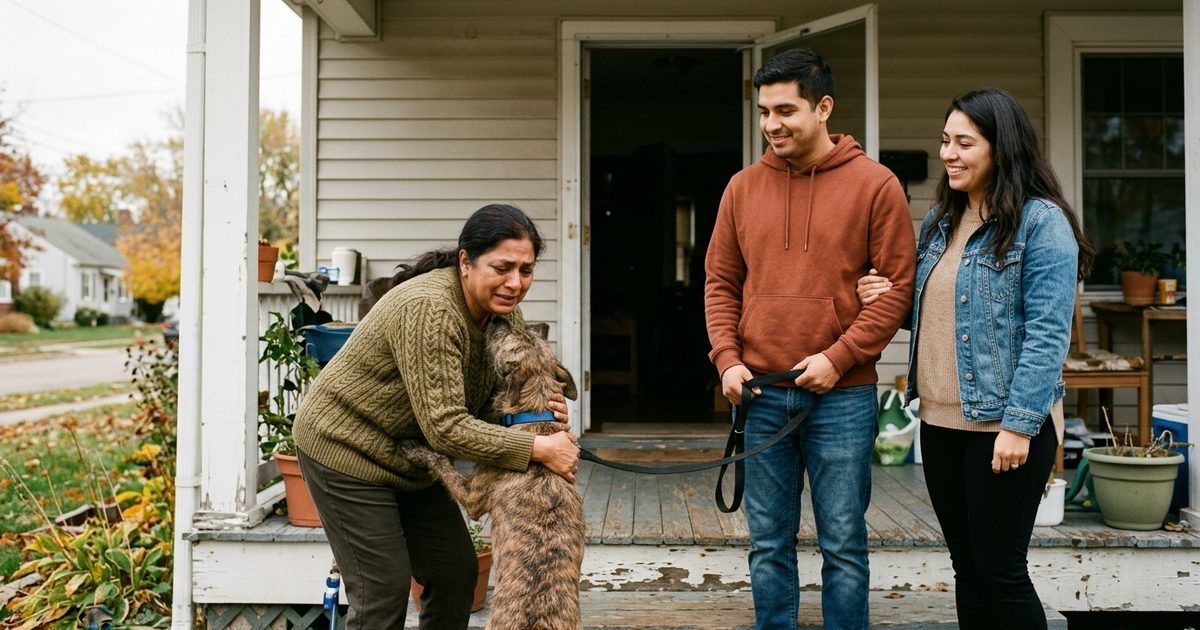
How long does a typical foster last?
Anywhere from a weekend to six months, and at HSMO the average is one to three weeks. The animal sets the clock more than you do. A friendly adult dog can leave with an adopter in days. A litter has to grow up first. A dog healing from surgery goes home when the vet clears it.
Here’s how the programs frame it:
- CARE STL: a few hours on a Doggy Day Out, a weekend, one to two weeks, or long-term until adoption, and you can start short and extend.
- St. Louis County: about two weeks short-term, about six months long-term, or hospice.
- Stray Rescue: several days to several months, plus four-to-five-night Rovernights.
- HSMO: your call, with most fosters running one to three weeks.
- APA: until the animal is ready to go back to the adoption center, which for a litter of kittens means until they’re old enough to be adopted.
Now the part that matters for the dog. The ASPCA’s adjustment guideline says most pets take about three months to feel fully at home, and the first three days are often the most stressful. A one-to-three-week foster, the HSMO average, meets the dog mostly in its nervous phase. Write your notes with that in mind. “Hides behind the couch” on day two isn’t a personality. The family reading your foster’s bio should know which week you met the dog.
Short stays still count for a lot. CARE STL says adoptions out of foster homes come back far less often, because the foster learned who the animal really is, and a weekend in a living room shows staff the one thing a kennel can’t: how the dog acts in a house. Can’t commit to a month? A weekend is a real foster.
The other kind of fostering changes a kid’s life: foster care in Missouri
Can you foster cats and kittens instead?
Yes, and the need is often bigger. HSMO says most of its fosters involve young puppies and kittens, and the APA names bottle-baby kittens as one of its two biggest gaps. Kitten fostering is a different job from dog fostering, though, and the job depends on how old the kittens are.
Bottle babies are the hardest. Motherless kittens too young to eat on their own need feeding every two to three hours around the clock, according to the ASPCA. That’s a night shift for a few weeks. It suits a remote worker, a retired couple, or two adults willing to trade off the 3 a.m. bottle. It doesn’t suit a nurse in Carrollton pulling twelve-hour shifts. She’d be a far better match for a weaned litter, or for a grown cat who needs a quiet back bedroom and a few weeks to come out from under the bed.
A nursing mother with her litter is easier in one way, since mom handles the feeding, and harder in another. She’s protective, and she needs a closed room away from your own animals. Weaned kittens eat, climb, and wreck things on a schedule of their own. Whatever the age, keep the City’s six-week count from the section above in mind before a litter comes home inside city limits.
Resident dogs change the setup. Picture a family on a few acres outside Kane with two farm dogs. Fostering a cat there means a room with a door that stays shut. CARE STL’s rule of thumb for short fosters runs one way, keeping a foster dog apart from a resident cat, but the same caution applies in reverse. A foster cat and two curious dogs don’t need to meet during a three-week stay.
And if a season of fostering kittens ends with you wanting one of your own, our guide to getting a kitten in St. Louis picks up from there.
What happens if a foster isn’t working out?
You call the foster team, and you call early. Every program here takes animals back. They ask for notice and a fair try first, and most problems in the first week can be fixed.
Stray Rescue asks fosters to give a new animal time and to use every resource available before returning it, since its kennel space refills right away. Its FAQ is plain about why. Many of its dogs had a rough start and may need help with housebreaking, chewing, separation anxiety, socialization or crate training, and nobody knows how a dog will act in a home until it’s in one. That uncertainty is the job. The rescue’s trainers back you up.
The APA asks for advance notice by phone before a return, and its terms want any bite or injury reported right away. CARE STL’s Foster Pack committee can find a different foster home when a dog needs a change of scenery, or work out a transfer to a partner rescue while you stay the dog’s main caregiver.
What does a fixable problem look like? A dog who cries in the crate for the first two nights. A cat who won’t come out from under the bed for three days. Accidents on the rug. That’s the first three days talking. What can’t wait: a foster who goes after your own pets, a child in the house who’s frightened, an animal who’s sick and getting worse. Those are a same-day call, and for the sick animal, a call before you go to any vet.
The fosters coordinators call first aren’t the ones with the biggest houses. They answered the adopter’s email the same day, showed up to Saturday’s event, and wrote a bio that told the truth about week one. Be that foster. Pick the program that fits your drive and your lease, and send the application this week.
Ready to pick a program? Start with the animal shelters and rescues around St. Louis in our directory, then call the one whose drive you can live with.
If you run a rescue that leans on foster homes, this part is for you. Rescues have customers too: the adopters and volunteers searching tonight for a group near them. List your rescue with us with your distance rule, your age minimum and what you send home with every foster, so the right volunteer finds you before the wrong one applies.
Frequently asked questions
What to expect with a foster dog?
Expect a nervous first few days, a vet appointment early on, and some homework. Stray Rescue’s checklist has new fosters call its clinic within 24 hours, start adoption events and send photos and a bio in week two, and answer applicants within 48 hours. Expect accidents and chewed things too. Many shelter dogs need help with housebreaking and settling in.
What is the 3-3-3 rule for dogs?
It’s an adjustment guideline the ASPCA and many shelters use: about three days for a new dog to decompress, often stressed and overwhelmed, about three weeks to settle into your routine, and about three months to trust you and feel at home. It’s a rough map, not a deadline. Some dogs move faster and some need longer.
How long do people usually foster a dog?
At the Humane Society of Missouri the average foster lasts one to three weeks. Around St. Louis the range runs from a single weekend at CARE STL to about six months for a long-term County foster, and some fosters keep a dog until the day it’s adopted.
Do I have to pay pet rent if I foster?
Usually, if your lease charges pet rent. A foster isn’t an assistance animal, so the fair-housing rules that bar pet fees for those don’t apply, and the shelters won’t reimburse it. Get your landlord’s OK in writing first, since Stray Rescue requires landlord consent, and ask whether the fee can be waived for a short foster. Our guide to renting with pets in St. Louis covers the lease side.
What are the cons of fostering a dog?
The history is often a guess. HSMO’s agreement warns that a foster’s health or behavior history may be inaccurate and that it may show destructive behavior or contagious disease. Add weekday vet runs, weekend adoption events, responsibility for damage, the risk to your own pets, and the goodbye. One longtime APA foster wrote that what gets her through it is knowing new animals keep arriving who need the spot.
Does it cost money to put a dog in foster care?
For the volunteer, no. For an owner who needs someone to keep a pet for a while, it depends. The APA’s Safe Care program houses pets of domestic violence survivors for up to two months and covers food, vaccinations, preventives and spay or neuter, with a referral from a domestic violence program or case manager. A housing version helps families facing homelessness, limited to pets 25 pounds or under in St. Louis County. Outside programs like these, temporary care usually means paying for boarding.
What is the 3 month rule for rescue dogs?
It’s the last step of the 3-3-3 guideline: most rescue dogs need about three months before they feel fully at home and show their real personality, per the ASPCA. Don’t judge a dog, or give up on one, in the first few weeks. For fosters it’s a reminder that a two-week stay shows you the dog at its most anxious.
Can you adopt the pet you’re fostering?
Usually, yes, through the same application any adopter fills out. The animal belongs to the organization until then, and HSMO’s agreement says a foster has no right to keep it without written permission. CARE STL says it’s glad to talk through adopting your foster, and Stray Rescue says plenty of Rovernights have turned into adoptions. Tell the foster team early, before another family applies.

Written by a dedicated team of St. Louis locals who live, work, and play right here in the St. Louis metro. Founder Lane Forman and team are committed to building the region’s most trusted directory by verifying listings and connecting local businesses with loyal customers across Missouri and Illinois.