Find Your Furry Friend: A Guide to St. Louis Pet Rescues
Revised October 8, 2026

Where can I adopt a rescue pet in St. Louis?
You can adopt a rescue pet in St. Louis through several channels. The City (CARE STL) and St. Louis County animal shelters take in strays and surrenders; large nonprofits like Stray Rescue of St. Louis and Tenth Life Cat Rescue focus on dogs and cats; and breed- or species-specific groups cover German shepherds, border collies, rabbits, other small animals, and farm animals. Most adoptions involve an application, a meet-and-greet, and an adoption fee that typically covers spay/neuter and vaccinations.
Keep reading ↓💥Organizations, shelters, and community groups are welcome to link to and share this blog with their members, clients, and friends if they believe it will help more people discover and support pet rescues and other pet service providers.
Walk into almost any St. Louis shelter and you’ll see the same thing: kennels of dogs who lost their homes through no fault of their own, and cats waiting for someone to notice them. Dozens of rescue groups across the city and county exist to match those animals with the right people.
This guide walks you through where to look, how the adoption process actually works, and what to expect when you go searching for your next companion among the many St. Louis pet rescues.
Key Takeaways
St. Louis adoption runs through three layers: the City and County shelters, big nonprofits like the Humane Society of Missouri, the APA and Stray Rescue, and dozens of foster-based cat, breed and small-animal rescues.
Understanding the adoption process, including requirements and what to expect, is key to a successful match.
Fees run from $0 at fee-waived events to $600 for some puppies. An adult cat or a big adult dog is often under $200, and the fee already covers spay or neuter, vaccines and a microchip (check each shelter’s current price).
Adopting a rescue pet provides a second chance to an animal in need and brings immense joy to the owner.
Beyond adoption, resources are available for pet owners in St. Louis, covering lost pets, responsible rehoming, and veterinary care.
Supporting local St. Louis pet rescues can involve volunteering, donating, or fostering animals.
Navigating St. Louis Pet Rescues
Bringing a rescue pet home gives an animal a second chance at a happy life, and it tends to change yours too. Before you fall for the first pair of puppy eyes you see, though, it helps to understand how St. Louis rescue organizations actually operate.
Understanding the Adoption Process
Most rescues have a process to make sure the pets go to good homes. It’s usually not super complicated, but it does take a little time. You’ll likely fill out an application that asks about your living situation, experience with pets, and what you’re looking for in an animal. Some places might also do a home visit or require references. The goal is to find the best fit for both you and the animal. They want to make sure the pet’s needs are met and that you’re prepared for the commitment.
Here’s a general idea of what to expect:
Application: This is where you share details about yourself and your home.
Meet and Greet: You’ll get to spend time with the animal you’re interested in.
Interview/Home Visit: A volunteer or staff member might chat with you more or visit your home.
Adoption Fee: Most rescues charge a fee that covers part of the cost of care, vaccinations, and spaying/neutering. In St. Louis that ranges from free during fee-waived events to several hundred dollars for a puppy; the FAQ below breaks it down.
Finalization: Once approved, you’ll sign the adoption papers and take your new friend home!
None of this is meant to be a hurdle. The paperwork exists so the match sticks, and a pet you thought hard about before adopting is a pet you’re far less likely to return.
Finding the Right Match for Your Lifestyle
This is a big one. Think honestly about your daily routine. Are you super active and looking for a hiking buddy, or do you prefer quiet evenings on the couch? Do you have kids or other pets? Answering these questions will help you narrow down your search. A high-energy dog might not be happy in a small apartment with owners who work long hours, just like a shy cat might get overwhelmed in a busy household. Rescues often have staff who know the animals well and can offer great advice on which pet might fit in best with your lifestyle.
Consider these points:
Energy Level: Match the pet’s energy to your own activity level.
Size and Breed: Think about space and any specific needs related to breed traits.
Temperament: Some pets are independent, others are very social. What works for you?
Time Commitment: Pets need daily care, training, and attention.
The Benefits of Adopting a Rescue Pet
Adopting a pet from a St. Louis rescue is incredibly rewarding. You’re saving a life, plain and simple. Plus, many rescue animals are already house-trained or have basic obedience skills, which can be a nice bonus. You’re also often getting a pet that has been vet-checked, vaccinated, and spayed or neutered, saving you some initial costs. Beyond that, there’s a special bond that forms when you give a deserving animal a loving home. It truly makes a difference.
Where to Find St. Louis Pet Rescues
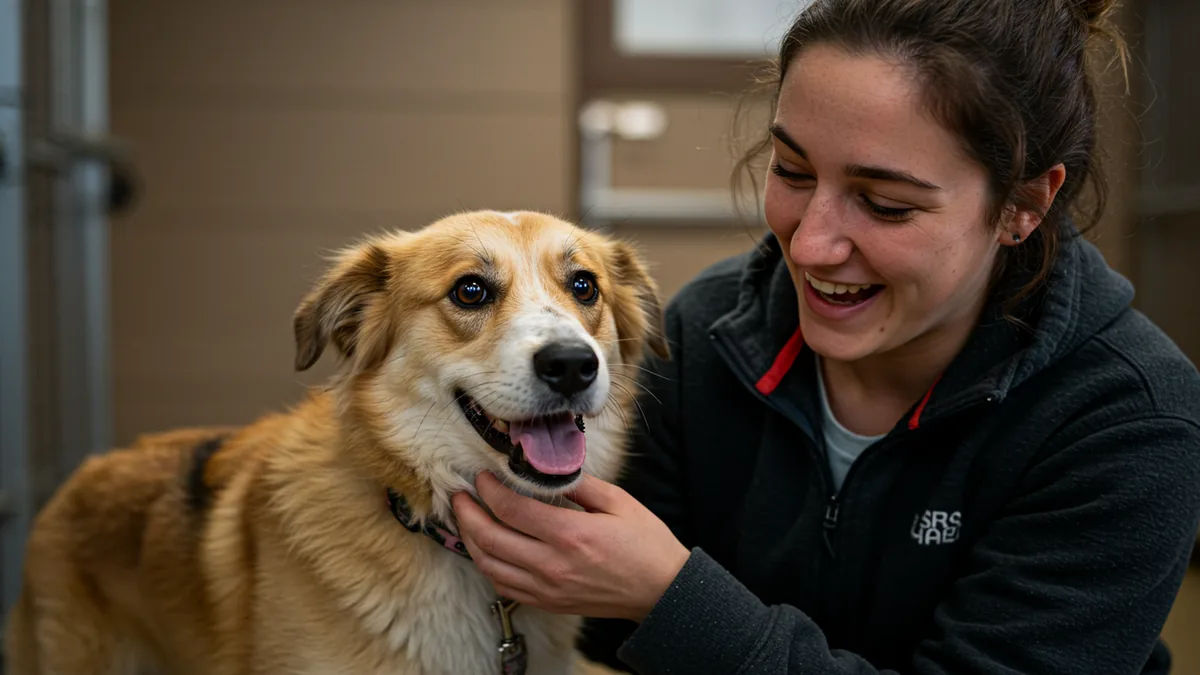 Where to Find St. Louis Pet Rescues
The sheer number of adoption options in St. Louis can feel overwhelming at first, from big municipal shelters to tiny volunteer-run groups working out of foster homes. Dogs, cats, rabbits, even the occasional pot-bellied pig: the metro has a group that handles it.
City and County Animal Care and Control
Your first stop might be the official animal care and control facilities for St. Louis City and St. Louis County. These shelters often have a wide variety of animals needing homes, from playful puppies and kittens to older, calmer companions. They are usually the first point of contact for stray animals found within their jurisdictions, meaning they often have the largest number of animals available for adoption.
St. Louis City Animal Care and Control: The City’s shelter is run by the nonprofit CARE STL under a city contract it has held since 2019 and renewed in July 2026. It must take in every animal Animal Control brings, adopts out of 2700 Walnut Place in Midtown, and welcomes walk-ins daily from 11 a.m. to 6 p.m. It charges one flat fee for every animal, waives it often when kennels are full, and dogs in its LifeSavers program always go home free.
St. Louis County Animal Care and Control: The Saint Louis County Pet Adoption Center at 10521 Baur Blvd. in Olivette is a government shelter that cannot turn animals away. Its adoption fee doubled from $40 to $80 in October 2025 and still covers vaccinations, a microchip and spay or neuter. When it runs over capacity it holds emergency fee-waived adoption events, and it held several in 2026.
These facilities are great places to start your search, and the staff can often provide information about the animals’ temperaments and histories.
The Humane Society of Missouri and the APA
Two private nonprofits sit alongside the government shelters, and both post standing deals worth knowing before you pick a place to visit.
Humane Society of Missouri: Adoption centers at 1201 Macklind Ave. in the city and on Administration Drive in Maryland Heights. Cats nine months and older are pick-your-price with a $35 minimum, pit bulls and pit mixes five months and older go home fee-waived, and adult dogs over 35 pounds are $190, plus a $10 rabies tag.
APA Adoption Center: 1705 S. Hanley Rd. in Brentwood. Adult cats are about $125, two kittens are $300, dogs run $100 to $600, and dogs 30 pounds and up, five months and older, are fee-waived every Tuesday. APA pets are also on view at PetSmart stores in Brentwood, Florissant, South City and Bridgeton.
Both run weekly specials, so check their current adoption pages before you go.
Dedicated Cat and Dog Rescues
Beyond the official shelters, St. Louis is home to numerous rescue organizations that focus specifically on dogs or cats. These groups are often run by dedicated volunteers who pour their hearts into saving, rehabilitating, and rehoming animals. They might have fewer animals at any given time compared to county shelters, but they often provide extensive medical care and behavioral support before adoption.
Some well-known organizations include:
Stray Rescue of St. Louis: a shelter at 2320 Pine St. downtown that takes in about 3,000 dogs a year. Adult fees have been around $50, and local sponsors often cover them for a month at a time (a sponsor covered adult dog and cat fees for all of October 2026, for example).
Tenth Life Cat Rescue: a cat-only rescue that prioritizes special-needs cats, with an adoption lounge at 3202 Cherokee St. Adult cats are $160, kittens six months and under are $185, and two cats adopted together get $50 off.
Gateway Pet Guardians: based in East St. Louis, in a former elementary school turned 54,000-square-foot Pet Resource Center with a low-cost vet clinic and a free pet food pantry.
Five Acres Animal Shelter: a private shelter at 1099 Pralle Lane in St. Charles that takes in more than 1,600 cats and dogs a year and reports a 99% placement rate.
These rescues often have detailed profiles of their animals online, giving you a good sense of their personalities before you even visit. You can often find them through online adoption platforms like Petfinder or by searching directly for their websites. For example, St. Louis Pet Rescue holds Saturday adoption events at the PetSmart in Sunset Hills and the Petco at Gravois Bluffs in Fenton; check its site for this week’s schedule.
Cat people have one more door. Several cat cafes in St. Louis double as adoption floors, with lounge cats you can apply to adopt through each cafe’s partner rescue. An hour of coffee and lap time tells you more about a cat’s personality than a kennel card ever will.
Total swerve: where Warrenton eats might genuinely surprise you.
Breed-Specific Rescue Organizations
If you have a particular breed in mind, St. Louis also has rescue groups that specialize in certain types of dogs or cats. These organizations have a deep understanding of the specific needs, temperaments, and potential health issues associated with particular breeds. They are fantastic resources if you’re looking for a specific companion, like a Greyhound, a German Shepherd, or even a smaller breed like a Chihuahua.
Here are a few examples of what you might find:
Midwest Border Collie Rescue: a foster network based in the Chicago suburbs that places border collies across the Midwest, so ask whether it adopts into Missouri.
Serendipity German Shepherd Dog Rescue: an all-volunteer, state-licensed rescue founded in 2004 that keeps its dogs in foster homes around St. Louis.
These specialized rescues can be incredibly helpful in matching you with a pet whose traits align perfectly with your lifestyle and experience. Most have no building at all, which is why the application comes before you ever meet the dog.
Resources for Pet Owners in St. Louis
 Resources for Pet Owners in St. Louis
Even the most devoted owners hit rough patches. A pet slips out an open gate. A job loss makes the rent-plus-vet-bill math impossible. A senior dog needs surgery nobody budgeted for. St. Louis has real help for each of these, and knowing where to turn before a crisis hits saves the time you can’t get back.
Lost and Found Pet Resources
Losing a pet is a heart-wrenching experience. The first few hours are critical. If your pet has gone missing, act fast. Check your immediate surroundings thoroughly, and then expand your search.
Then go to the shelters. STL Lost Pets, the shared database run by the APA, St. Louis County Animal Care and Control and the Humane Society of Missouri, says about 90% of lost, stray and unwanted pets in the St. Louis area end up at one of its partner shelters. Cats are the hard case: nationally only 6% of stray cats taken in by shelters in 2025 went home to an owner, against 34% of stray dogs (Shelter Animals Count), which is why a microchip with current contact details matters even for an indoor cat. Our guide to lost pets in St. Louis covers which shelters to check first and how long each one holds a stray.
Here are some steps and resources to help you find your lost companion:
Secure your pet safely if you find a lost animal, just as you’d want someone to do for your own.
Check for identification like collars and tags. If the pet is microchipped, contact the microchip company with your information.
Visit local shelters and animal control facilities regularly. Don’t just rely on phone calls; go in person.
Utilize online platforms and social media. File a lost pet report with STL Lost Pets, search its found dogs and found cats lists, and share your pet’s photo on its Facebook page and in neighborhood groups.
If you’ve found a pet, try to locate its owner by checking for ID and posting on local lost and found pages. Taking the animal to a vet or shelter for a microchip scan is also a good idea.
Rehoming Your Pet Responsibly
Sometimes, circumstances change, and you may find yourself unable to keep your pet. This is a tough situation, but responsible rehoming is key to your pet’s well-being. Avoid simply giving your pet away to strangers. Instead, explore options that ensure a safe transition.
Consider these approaches:
Reach out to local rescues and shelters that may be able to take your pet or help you find a suitable new home.
Network with friends, family, and colleagues who might be looking to adopt.
Use reputable rehoming services that screen potential adopters carefully.
In St. Louis, the APA’s rehoming page points owners first to Adopt-a-Pet’s Rehome tool, which lets a pet go straight from your home to a screened adopter, and it lists a $30 fee to surrender a single pet if you live in St. Louis City or County. The City’s fee schedule charges $150 to relinquish an owned dog or cat to Animal Care and Control, so check current fees before you decide.
It’s important to be honest about your pet’s history, temperament, and any medical needs to ensure a good match with a new family.
Veterinary Care and Financial Assistance
Unexpected veterinary emergencies can be financially straining. Fortunately, there are organizations in the St. Louis area and beyond that offer assistance to pet owners facing financial hardship.
Payment Plans and Credit: Many veterinary clinics offer payment plans or accept veterinary-specific credit lines like CareCredit.
Non-Profit Assistance: Several foundations and funds exist to help cover veterinary costs for pets in need. These often have specific criteria, so it’s worth researching options like The Mosby Foundation or Frankie’s Friends, both national charities with their own eligibility rules (Mosby helps dogs only).
Low-Cost Clinics: For routine care, vaccinations, and spay/neuter services, look into the Carol House Quick Fix Pet Clinic, a low-cost spay, neuter and wellness clinic that has performed more than 150,000 surgeries since 2012, or Gateway Pet Guardians’ low-cost clinic in East St. Louis. To help pay for the surgery itself, BARC St. Louis, an all-volunteer nonprofit, subsidizes spay and neuter for privately owned family pets.
Don’t hesitate to ask your veterinarian about financial assistance options; they often have a list of resources available to their clients.
Beyond Adoption: Supporting St. Louis Rescues
Adopting a pet is a wonderful way to give a deserving animal a loving home, but the support for these organizations doesn’t have to stop there. Many St. Louis rescues rely heavily on community involvement to keep their operations running smoothly and to provide the best care possible for the animals. There are several ways you can contribute, even if you’re not in a position to adopt right now.
Volunteer Opportunities
Local shelters and rescue groups are always looking for helping hands. Volunteering is a direct way to make a difference in the lives of animals waiting for their forever homes. Tasks can range from walking dogs and socializing cats to assisting with cleaning, administrative work, or helping out at adoption events. Your time and effort are incredibly valuable.
Here are some common volunteer roles:
Animal Care: Direct interaction like walking dogs, playing with cats, and grooming.
Event Support: Helping set up, manage, and break down adoption events or fundraisers.
Administrative Tasks: Assisting with paperwork, answering phones, or data entry.
Outreach: Helping to spread the word about adoptable animals or the rescue’s mission.
Donating to Local Shelters
Financial contributions are vital for rescues to cover the costs of food, medical care, shelter, and enrichment for the animals. Every little bit helps, and many organizations offer different ways to donate, from one-time gifts to recurring monthly pledges.
Beyond monetary donations, many shelters also have wish lists for specific items they need. These can include food, blankets, toys, cleaning supplies, and specialized medical equipment. Checking a rescue’s website or social media pages is usually the best way to see what they currently need most.
Cash gifts give rescues something in-kind donations can’t: flexibility. That flexibility might pay for a sick animal’s emergency surgery one week and a pallet of prescription food the next. It’s the most direct way to keep an operation running.
Fostering Animals in Need
Fostering is a temporary, yet incredibly impactful, way to help. It involves opening your home to an animal for a short period, providing them with a safe and loving environment outside the shelter. This is especially important for animals who may be too young, recovering from surgery, or simply need a break from the kennel environment to decompress and show their true personalities.
Fostering can be a rewarding experience, allowing you to directly care for an animal and help prepare them for adoption. Rescues typically provide the necessary supplies and cover veterinary costs, so you can focus on giving the animal love and attention. It’s a fantastic way to help more animals get adopted faster.
Here’s what fostering typically involves:
Providing a safe space for the animal.
Following the rescue’s guidelines for care and behavior.
Transporting the animal to vet appointments if needed.
Socializing the animal and helping them adjust.
Working with the rescue to find a permanent adoptive home.
Specialized St. Louis Animal Shelters
Small Animal Rescue Options
Beyond the usual cats and dogs, St. Louis is also home to organizations dedicated to helping smaller critters find their way to loving homes. If you’re looking for a rabbit, guinea pig, hamster, or other pocket pet, these specialized rescues are a great place to start. They often have a wealth of knowledge about the specific needs of these animals, which can be quite different from those of dogs and cats. Finding the right small animal rescue means you’re more likely to find a healthy, well-socialized pet and get the support you need to care for them.
Missouri House Rabbit Society of St. Louis: An all-volunteer rescue that runs the Bunny House shelter and specializes in rabbits left outside. It also teaches rabbit care and offers members boarding and nail trims.
Local Pet Stores with Adoption Programs: Some larger pet store chains partner with local rescues. The APA shows adoptable pets at four St. Louis-area PetSmart stores, and smaller rescues hold weekend events at PetSmart and Petco, so ask the store which partner handles its animals.
General Animal Shelters: Don’t overlook your local city or county animal shelters. While they might not have a dedicated ’small animal’ section, they often take in rabbits, guinea pigs, and other small pets when they are surrendered. The Humane Society of Missouri’s posted adoption fees list rabbits at $15 and guinea pigs and hamsters at $10.
Farm Animal Sanctuaries
For those with a bit more space and a different kind of heart for animals, farm animal sanctuaries offer a unique adoption experience. These places typically rescue animals like horses, goats, pigs, chickens, and cows who have been neglected, abused, or are no longer wanted. Adopting from a sanctuary means you’re directly contributing to the well-being of an animal that might otherwise have nowhere to go.
Longmeadow Rescue Ranch: The Humane Society of Missouri’s 165-acre ranch near Union, about an hour from St. Louis, has taken in horses and farm animals since 1988. It is free to visit on Fridays from noon to 3 p.m. and Saturdays from 11 a.m. to 3 p.m., and its animals are available for adoption or Barn Buddy sponsorship.
Local Farms with Rescue Efforts: Sometimes, individual farms or small groups operate informally to rescue farm animals. Networking with local agricultural communities or checking online forums can sometimes lead to these opportunities.
Assistance for Military Pet Owners
Military life can be complicated, and sometimes service members face difficult decisions when it comes to their beloved pets. Whether it’s due to deployment, housing restrictions, or other service-related challenges, several national programs serve military families in the St. Louis area. These programs provide temporary or long-term solutions to keep pets with their military families or ensure they are cared for during times of separation.
Dogs on Deployment: A national nonprofit, founded in 2011, that connects active-duty service members and veterans with volunteers who board their pets during deployments, training and emergencies. It also offers veterinary and moving help.
Operation Foster: Run by PACT for Animals, Operation Foster places the pets of deploying service members and of people going through medical treatment into volunteer foster homes, and reports helping more than 3,000 pets in all 50 states.
Guardian Angels for Soldier’s Pet: This program focuses on providing a safe haven for pets whose owners are serving in the military, helping to bridge the gap during deployments or other temporary situations.
Additionally, Guardian Angels for Soldier’s Pet assists veterans who are hospitalized, in treatment, or experiencing homelessness, ensuring care during difficult circumstances. It is an all-volunteer national group that matches pets with foster homes through state coordinators. Read the Guardian Angels for Soldier’s Pet mission statement.
Most of these specialized programs run on shoestring budgets and volunteer hours. Expect detailed applications and, in some cases, a home visit. A little patience goes a long way with groups stretched this thin.
Some St. Louis shelters go further still, taking in exotic pets or animals with chronic medical conditions that would struggle in a general kennel. A parrot who outlived his owner, a diabetic cat, a three-legged rabbit: these are the animals that need a specialized landing spot. Tenth Life Cat Rescue, for one, prioritizes cats with medical or behavioral needs. Those are the groups worth seeking out when your future pet comes with particular requirements.
How Do You Choose Where to Adopt?
The choice between a large county shelter and a small breed rescue matters less than you might think. Both are staffed by people who want the exact outcome you do. So visit more than one. Ask blunt questions about an animal’s history and quirks. Sit on the floor and see who climbs into your lap. That moment, when a particular dog or cat decides you’re theirs, is worth every application form you filled out to get there.
Once your new companion is home, our guide to choosing a dog groomer in St. Louis can help with the next step of pet care.
Keep this handy too: our guide to finding a reliable emergency vet in St. Louis.
Once your new dog is settled in, our guide to the best dog parks in St. Louis has somewhere to burn off that energy.
When your new dog is ready to see more of the city, our guide to dog-friendly places in St. Louis covers where pets are welcome and what the local rules are.
Ready to meet your next best friend? Use the St Louis Near Me pet services directory to find rescues, shelters, vets, groomers, and boarding across the metro, all in one place.
If you’re the one providing it, get listed. Does it ever feel like you do great work that nobody outside your regulars sees? Tired of paying for “leads” that were sold to five other people too? What would change if your best customers could finally find you first? Find out →
Not ready to adopt yet? Fostering pets in St. Louis lets you try it first. For smaller pets, see rabbit adoption in St. Louis and getting a kitten in St. Louis.
Frequently Asked Questions
How much to adopt a dog in St. Louis?
Adopting a dog in St. Louis usually costs $50 to $325, and some puppies reach $600. St. Louis County charges a flat $80, Stray Rescue’s adult fees have run about $50, the Humane Society of Missouri charges $190 for adult dogs over 35 pounds, and the APA ranges from $100 to $600. Fees include spay or neuter, vaccines and a microchip; check current prices.
Where can I find a free cat adoption in St. Louis?
Free cat adoptions in St. Louis come through shelter specials. The APA waives fees for its working cats, St. Louis County and CARE STL waive fees when their kennels fill up, and Stray Rescue’s sponsors cover adult cat fees for whole months. The Humane Society of Missouri’s adult cats are pick-your-price from $35. Follow shelter social pages for short-notice events.
Where to get a cat in St. Louis?
Start with Tenth Life Cat Rescue’s lounge on Cherokee Street, Stray Rescue downtown, the Humane Society of Missouri’s city and Maryland Heights centers, the APA in Brentwood, the County shelter in Olivette and CARE STL in Midtown. For a lower-pressure first meeting, several St. Louis cat cafes keep adoptable cats from partner rescues in their lounges.
How to get a pet cat for free?
Adopt during a fee-waived event, ask the APA about its fee-waived working cats, or take in a friend’s rehomed cat. But a “free” cat is rarely the cheapest: Tenth Life puts spay or neuter alone at $160 to $220 at a regular vet, before testing, vaccines and a microchip, which a $35 to $160 shelter adoption already includes.
What is the least adopted pet?
Nationally it is dogs, not cats. Shelter Animals Count found 57% of dogs entering U.S. shelters in 2025 were adopted, against 63% of cats, and more dogs than cats were euthanized. In St. Louis, look at where fees get waived: big adult dogs and pit bull mixes. Research finds only weak evidence for the famous black-cat bias.
What are red flags when adopting a dog?
Walk away from a “rescue” that skips the application and meet-and-greet, won’t share vet records, pushes same-day payment, has no return policy or has no Missouri license; the state requires every shelter and rescue to hold an Animal Care Facilities Act license. With the dog itself, ask about food guarding, fear of strangers and any bite history.
How do I start the adoption process?
Start with an online application. Most St. Louis shelters, including CARE STL and Stray Rescue, let you apply before you visit, which speeds up the meeting. Expect questions about your home, your other pets and your landlord’s pet rules; Stray Rescue needs written landlord approval before it can proceed. Bring a photo ID when you go.
Can I help a rescue even if I can’t adopt?
Absolutely. You can volunteer to walk dogs or socialize cats, foster an animal for a few weeks, or take a CARE STL shelter dog out for the day through its Doggy Day Out program. Donations of money, food and supplies help too, and cash goes furthest because it covers whatever the animals need that week.

Written by a dedicated team of St. Louis locals who live, work, and play right here in the St. Louis metro. Founder Lane Forman and team are committed to building the region’s most trusted directory by verifying listings and connecting local businesses with loyal customers across Missouri and Illinois.