Essential Local Business Marketing Strategies (The Whole Map)
Revised August 10, 2026

What marketing strategies work best for local businesses?
Start with what you own: consistent business information everywhere, a complete Google and directory profile, a steady review habit, and content that answers real customer questions. Then layer community presence — local content, social engagement, sponsorships — and measure everything against calls and customers, not likes. Paid ads work best last, pointed at a foundation that already converts. Spend on what you own before what you rent.
Keep reading ↓Hey there! So, you’re looking to get your local business noticed? It's a smart move. With more people shopping close to home, really connecting with your local crowd is super important for growing. We're going to walk through some simple ways to boost your visibility and make sure folks in your area know exactly who you are and what you offer. Let's get your local marketing game on point!
Key Takeaways
Make sure your business shows up when people search for "product/service + near me". This means getting your business profile in shape on Google, Bing and other search engines and also on local directories. Use location words on your website to ensure your online presence is optimized for local searches.
Get to know the people in your town. Figure out who your customers are and what your local competitors are up to.
Create content that speaks to your local community. Share stories, highlight local events, and talk about things that matter in your area.
Use social media to chat with people in your neighborhood. Run ads that target just your local area and share posts that feel relevant to them.
Keep an eye on what's working. Track how many people visit your store, engage with your posts, and become customers so you can do more of what's successful.
Why Local Business Marketing is Crucial for Growth
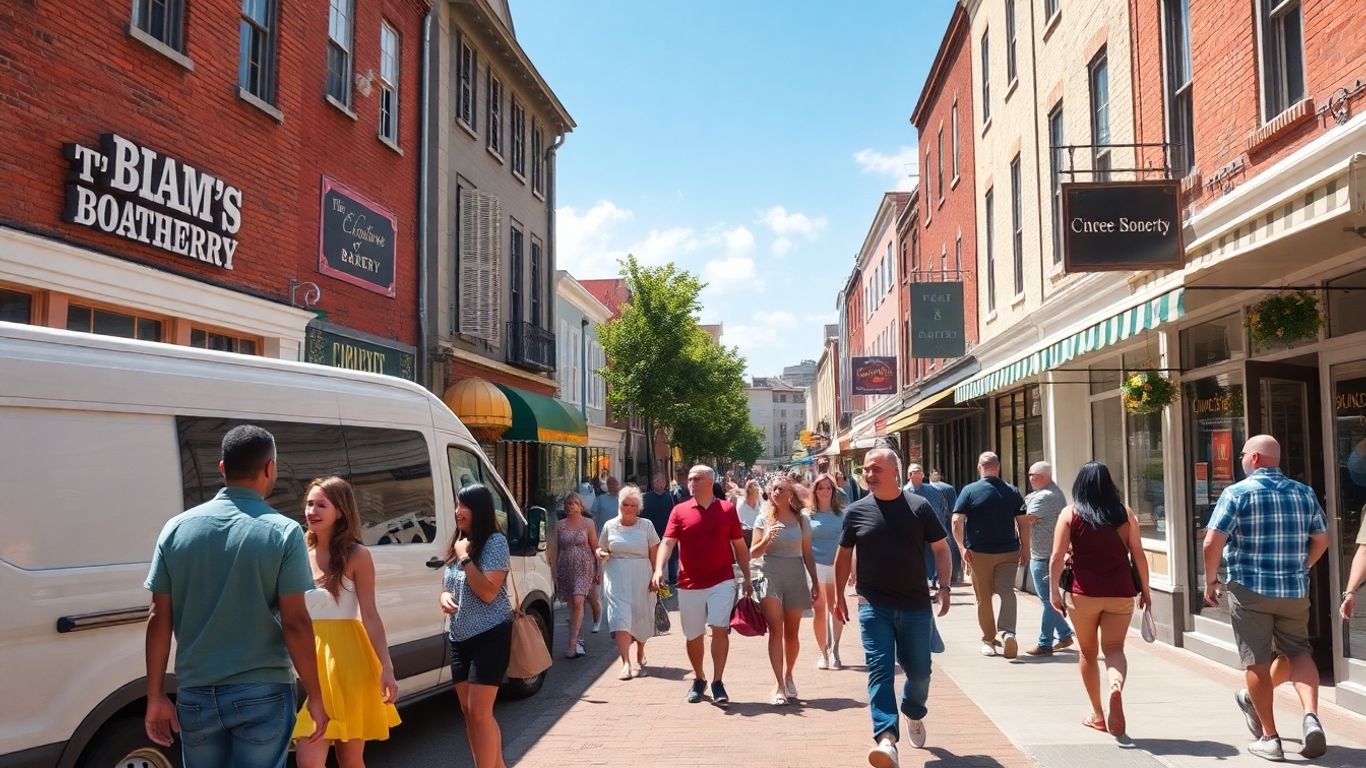 Bustling town street with diverse people and local businesses.
Think about it: most people looking for a product or service today don't just grab the first thing they see. They're often searching for something close by. The research on this is unanimous: the overwhelming majority of consumers check online for local businesses before they buy or book. That’s a massive chunk of potential customers you could be missing out on if you’re not focusing on your local presence. (If you suspect that’s already happening, our six-reason visibility diagnostic will tell you exactly where.)
Local marketing isn't just about putting up a sign; it's about making sure people in your neighborhood know you exist and why you're the best choice for them. It’s about connecting with the folks right around the corner, the ones who are most likely to become repeat customers and even recommend you to their friends. When you get your local marketing right, you build a loyal customer base that supports your business day in and day out.
It helps you stand out from bigger, national chains that might not have that same community feel. Plus, with so many people using their phones to find things nearby, being visible online in your specific area is no longer just a good idea – it's pretty much a requirement for staying competitive.
Focusing on local marketing means you're speaking directly to the people who can most easily visit your store or use your services. It's about being relevant to their immediate needs and building relationships right where you are.
Here’s why it really matters:
Increased Visibility: You become easier to find when people are actively searching for what you offer in your town or city.
Stronger Customer Relationships: Connecting with local customers builds trust and loyalty, turning first-time buyers into regulars.
Cost-Effectiveness: Often, marketing locally can be more budget-friendly than broad, national campaigns, giving you a better return on your investment.
Community Support: Being a visible and active part of your community can lead to word-of-mouth referrals and a positive brand image.
Understanding Your Local Audience
Before you start shouting about your business from the digital rooftops, you really need to know who you're talking to. Think of it like planning a party – you wouldn't invite everyone you've ever met if you only have space for 20 people, right? You'd figure out who would actually enjoy the vibe and make the effort to invite them. The same goes for marketing. Getting to know the folks in your neighborhood is step one.
Identifying Local Customer Demographics
Who are the people living and working around your business? Are they young families looking for weekend activities, retirees seeking quiet services, or busy professionals needing quick solutions? Digging into this helps you tailor your message. You can look at census data for your area, check out social media insights if you already have a presence, or even just chat with people who come into your store. What are their ages, their interests, their income levels, and what problems are they trying to solve that you can help with?
Analyzing Local Competitors
Take a peek at what other businesses in your area are doing. What are they good at? Where are they falling short? You don't want to copy them, but understanding their strengths and weaknesses can show you where you can shine. Maybe they have a great social media game but lack good customer reviews, or perhaps their website is outdated. Knowing your competition helps you find your unique spot in the local market.
It's not about being the loudest; it's about being the most relevant to the people right around you. Think about what makes your community tick and how your business fits into that picture.
Here’s a quick way to think about your local audience:
Who are they? (Age, family status, occupation)
What do they need? (Problems you can solve, desires you can fulfill)
Where do they hang out? (Online platforms, local spots, community groups)
What do they care about? (Local events, community issues, specific interests)
By answering these questions, you'll have a much clearer picture of who you're trying to reach, making all your marketing efforts much more effective.
Key Strategies for Local Business Marketing
 Local businesses thriving in a vibrant city.
Alright, let's talk about how you can actually get your business noticed by people right around the corner. It’s not just about having a good product or service; it’s about making sure the folks in your neighborhood know you exist and why they should choose you. We're going to break down some practical ways to do just that.
Optimizing Your St Louis Near Me Directory Profile
Think of your online directory profile, especially for searches like "St Louis near me," as your digital storefront. If it's messy or incomplete, people will just walk on by. You need to make sure all your information is spot-on: your address, phone number, opening hours, and even a link to your website. Respond to reviews, both good and bad, because it shows you're paying attention. Adding photos of your business, your team, or your products can really make your listing pop. This is a simple but powerful way to get found when people are looking for what you offer right now.
Leveraging Local SEO Best Practices
Search Engine Optimization (SEO) for local searches is a big deal. When someone types "bakery near me" or "plumber in St Louis," you want your business to show up. This means using keywords on your website that people in your area would actually search for. Put your city or neighborhood name in your page titles, descriptions, and even in your blog posts. Make sure your website is mobile-friendly because most local searches happen on phones. Building links from other local websites, like community blogs or business associations, also tells search engines you’re a real, local business — and keeping your name, address, and phone identical everywhere is the foundation under all of it (our citations guide is the one-afternoon version). Getting your business listed on local directories is a solid start.
Content Marketing for Local Reach
Creating content that speaks directly to your local community is a smart move. This could be blog posts about local events, guides to your neighborhood, or videos featuring local customers. Highlight any partnerships you have with other local businesses or charities. The goal is to be relevant and helpful to people in your area. Think about what problems your local customers face and how your business can solve them. This kind of content builds trust and shows you're invested in the community, not just trying to make a sale. It's a great way to generate interest and attract new customers.
Social Media Engagement in Your Community
Social media isn't just for sharing vacation photos; it's a powerful tool for connecting locally. Post updates about what's happening at your business, share photos from local events you're attending or sponsoring, and run contests specifically for your local followers. Ask questions to get people talking about local topics. Respond to comments and messages quickly. You can also use paid social media ads to target people within a specific radius of your business, making sure your message gets to the right eyes. This kind of focused engagement helps build a loyal following.
Unrelated, and we know it — Kosciusko is worth a look.
Local Advertising Options (Online & Offline)
Beyond organic efforts, consider paid advertising. Online, you have options like Google Ads targeted to specific locations or social media ads we just talked about. These online marketing solutions can be very effective for lead generation. But don't forget offline! Local newspapers, community newsletters, flyers in local shops, or sponsoring a local sports team can still reach people who might not be as active online. The key is to mix and match. You want to be visible where your local customers are, whether that's scrolling through their phone or picking up the local paper. These business marketing services can really make a difference.
Don't just blast generic ads everywhere. The most successful local marketing focuses on being a part of the community, understanding local needs, and providing solutions that matter to people nearby. It's about building relationships, not just making transactions.
Here are some ways to think about your advertising mix:
Digital Marketing Services: Focus on platforms that allow geo-targeting, like Google Ads and social media ads.
Local Partnerships: Collaborate with non-competing local businesses for cross-promotion.
Community Involvement: Sponsor local events, charities, or school programs.
Direct Mail: Targeted postcards or flyers to specific zip codes can still work.
Local Media: Consider ads in local newspapers, radio stations, or community websites.
By using a combination of these strategies, you can significantly improve your local visibility and attract more customers. These internet marketing services are designed to bring people through your door.
Where the first $500 a month actually goes
Strategy lists are easy; allocation is the real decision. Here’s the honest order of operations for a typical local business budget, from zero up:
$0 — the foundation (do this before spending anything): consistent name-address-phone everywhere, a complete Google Business Profile, a review-request habit, and answers to your five most-asked customer questions somewhere public. This tier outperforms most paid spending and costs only an evening plus maintenance.
The first ~$30/month — owned visibility: a complete profile on a quality local directory (the Gold Plan runs $29.75/month paid annually) adds a strong citation, another first-page result for your name, and reach across every community you genuinely serve. Fixed cost, no per-lead meter, compounds with age.
The next $100–$200 — content and community: a few hours of a photographer’s time each quarter, a sponsorship of the league your customers’ kids play in, printed QR-code materials. Unglamorous, durable, local.
The rest — paid ads, only once the above is done: geo-targeted ads can genuinely accelerate a business — but they rent attention, so they work best pointed at a foundation that converts. Sending paid clicks to an incomplete profile or a slow website is how ad budgets evaporate.
The pattern: spend on what you’ll own before what you’ll rent, and never pay to amplify a presence that isn’t ready to convert.
Measuring the Success of Your Local Marketing Efforts
So, you've put in the work, right? You've tweaked your online listings, posted on social media, maybe even run a few local ads. Now comes the part where you figure out if any of it actually worked. It's not enough to just do marketing; you've got to see what's paying off. Tracking your results is how you know where to put your energy and your money next.
Think about what you want to achieve. Are you trying to get more people in the door? More phone calls? More website visits? Different goals mean you'll look at different numbers. For instance, if foot traffic is your main aim, you might track how many people mention seeing a specific flyer or online ad when they come in. If online leads are the goal, you'll want to see how many contact form submissions or direct messages you get from your local campaigns.
Here are some common things to keep an eye on:
Website Traffic: How many people are visiting your site, and where are they coming from? Tools like Google Analytics can show you if traffic is increasing from local searches or social media posts you've made.
Online Engagement: Look at likes, comments, shares, and clicks on your social media posts. Are people interacting with your content? Are they clicking through to your website?
Local Search Rankings: Are you showing up higher in search results when people in your area look for businesses like yours? This is a big one for local SEO.
Customer Feedback: What are people saying in reviews on Google, Yelp, or other platforms? Positive reviews are a great sign, and negative ones can point out areas to improve.
Conversion Rates: This is about turning interest into action. How many website visitors actually fill out a form, make a call, or complete a purchase? You can track key metrics for local SEO to understand your return on investment.
It's easy to get lost in all the data. The trick is to pick a few key numbers that directly relate to what you're trying to achieve and focus on those. Don't try to measure everything all at once.
Here’s a simple way to look at it:
Metric | What it Tells You |
|---|---|
Website Visits | How many people are finding you online |
Social Media Likes | How much people like your posts |
Phone Calls | How many direct inquiries you're getting |
Online Reviews | What customers think about your business |
In-Store Visits | How many people are coming to your physical location |
By regularly checking these numbers, you get a clearer picture of what's working and what's not. This helps you make smarter decisions about where to spend your time and budget for the best results.
Adapting Your Strategy for Long-Term Local Success
So, you've put in the work, right? You've optimized your online listings, you're posting on social media, and maybe you've even sponsored a local event. That's awesome. But here's the thing: the local marketing game isn't a one-and-done deal. Things change, people's habits shift, and what worked last year might not cut it next year. Staying relevant means you've got to keep tweaking your approach.
Think about it. Are your customers still finding you easily when they search for services like yours? Have you noticed any new competitors popping up? It's smart to regularly check in on these things. You can do this by looking at your website traffic, seeing where your leads are coming from, and even just chatting with your customers to see how they found you.
Here are a few ways to keep your local marketing sharp:
Review Your Online Presence: Make sure your business hours are correct everywhere, that your photos are still good, and that you're responding to reviews, both good and bad. It shows you're paying attention.
Keep an Eye on Competitors: What are they doing that seems to be working? Don't copy them, but learn from their successes and failures.
Listen to Your Customers: They're your best source of information. Ask them what they like, what they don't, and what they wish you offered.
Stay Updated on Trends: Local SEO is always changing, and new social media features pop up. Dedicate a little time each month to see what's new in the world of local business marketing.
The local market is dynamic. What works today might need a refresh tomorrow. Regularly checking your results and being open to trying new tactics is how you build a business that lasts in your community.
Don't get too comfortable. The businesses that really thrive are the ones that are always learning and adapting. It might seem like a lot, but even small, consistent adjustments can make a big difference over time. Keep experimenting, keep listening, and you'll be well on your way to long-term local success. If you're feeling overwhelmed by the technical side of things, remember that there are resources available to help you understand search engine optimization.
 Make Your Mark Locally
Ready to Make Your Mark Locally?
So, there you have it. Getting your local business noticed is all about being smart and showing up where your customers are. We've talked about making sure folks can find you online with good SEO, really connecting with people in your town, and using social media in a way that actually speaks to your neighbors. Don't forget how important reviews are, and always keep an eye on what the data tells you. It might seem like a lot, but taking these steps will help you build a stronger business right where you are. Start small, be consistent, and watch your local reach grow.
Not sure where your marketing stands today? The free visibility audit shows how your business appears across Google and six major AI engines — your starting map, in plain English.
If the foundation tier is where you’re starting, a complete directory profile is the first owned asset on the list — an evening to build, years of working for you.
Frequently Asked Questions
Why should I bother with local marketing for my business?
Think of it this way: most of your customers live or work nearby! Local marketing helps you connect directly with people in your town or neighborhood. It builds trust and makes it easier for them to find and choose you over a business that's far away. Plus, when you focus locally, you become a familiar and trusted part of the community, which can lead to more sales and loyal customers.
What's the deal with 'near me' searches?
When someone searches for 'pizza near me' or 'plumber near me' on their phone, they're looking for something right now, close by. Having your business show up in those searches is super important. It means you're visible to people who are actively looking for what you offer in your area. Making sure your online info is up-to-date helps you pop up in those searches.
How can I get my business noticed on St Louis Near Me Directory?
It's pretty simple! You need to claim and set up your profile on St Louis Near Me Directory. This profile is your online billboard. Make sure all your details are correct – your address, phone number, and hours. Add some great photos of your business, add a video, add a blog. Add links to your website and social media profiles. Upload your menu, a pdf of your service offerings or even a pertinent stat-sheet or story so that your customers can download it and keep it handy. Grab your complimentary QR code which instantly connects your customers to your directory profile. Use this QR code in all your marketing efforts. Encourage customers to leave reviews. The more complete and active your profile is, the better chance you have of showing up when people search locally for "near me". This will help you rank higher in local search results and attract more customers.
Is social media really that important for local businesses?
Absolutely! Social media is a fantastic way to talk directly to people in your community. You can share updates about what's happening at your business, promote local events, or even run ads that only show up to people in your specific town. It helps you feel more connected and relatable to your local customers, building a stronger relationship.
What kind of content should I create for local customers?
Focus on what's relevant to your area! Share stories about local events you're involved in, highlight community news, or feature happy customers from your town. You could even create posts about local traditions or landmarks. The key is to show that you understand and care about the local scene, making your content more interesting and meaningful to the people around you.
How do I know if my local marketing is actually working?
You need to keep an eye on a few things. Are more people coming into your store? Are you getting more phone calls or website visits from local customers? Are people leaving more positive online reviews? Tracking these kinds of results helps you see what strategies are bringing in business and which ones might need a tweak. It's all about seeing if your efforts are leading to more local customers.

Written by a dedicated team of St. Louis locals who live, work, and play right here in the St. Louis metro. Founder Lane Forman and team are committed to building the region’s most trusted directory by verifying listings and connecting local businesses with loyal customers across Missouri and Illinois.