Don’t Call. Walk In: The Side Door at 800 N. Tucker Where St. Patrick Center Help Starts
Revised October 11, 2026

What does St. Patrick Center in St. Louis do?
St. Patrick Center, a Catholic Charities ministry at 800 N. Tucker Blvd., helps St. Louisans who are homeless or about to be with housing, case management, health care and job help. Start with a walk-in intake at its Welcome Center, weekdays at 8 a.m. or 1 p.m. For shelter tonight, call 2-1-1 or (314) 802-0700. It has no rental assistance available right now.
Keep reading ↓The strap of the bag digs into your shoulder. The papers that prove who you are sit folded in the front pocket, gone soft at the creases from being checked so many times. Downtown is waking up around you, and the only thing you need to know is where the door is.
It’s a side door. St. Patrick Center’s Welcome Center is on the north side of the building at 800 N. Tucker Blvd., the left side as you face it from Tucker, at the corner of Convention Center Drive. Intake starts every weekday at 8 a.m. and again at 1 p.m., first come, first served, and the door closes for lunch from noon to 1. No appointment. What happens inside is called a discovery session: a private sit-down with a specialist who works out what you need and which programs fit. Here’s the part that surprises people: you can’t call ahead. Intake won’t start by phone, email or a message on social media, so the whole first step is walking through that door.
Bring a photo ID, anything that shows where you’ve been staying, and a utility shutoff notice if that’s the emergency. Don’t have any of it? The center says to come in anyway. If you’re driving, there are meters on the surrounding streets and a $3, cash-only lot across the street from the Tucker entrance.
Need a bed tonight? The center isn’t an overnight shelter. Call 2-1-1 or (314) 802-0700 for tonight’s shelter options. It also has no rental assistance available right now, so if a past-due rent notice is what brought you here, ask the intake specialist where to take it next. One visit can still reach well past this building. St. Patrick Center has led the joint City and County coordinated entry process for years, the system that matches people to housing programs across the region. That’s also why its get-help page posts an HMIS release of information: it’s the consent that lets your intake go into the region’s shared homeless-services database, so the next agency doesn’t make you tell the whole story again.
Screenshot this: St. Patrick Center Welcome Center, side door on the north side of 800 N. Tucker Blvd. Weekdays at 8 a.m. or 1 p.m. No appointment. A bed tonight: 2-1-1 or (314) 802-0700. Veterans: 314-356-0657.
St. Patrick Center has been one of St. Louis’s main front doors for homeless and housing services for more than 40 years, all from that one building. It’s a ministry of Catholic Charities, and housing usually comes first. It’s hard to keep a job or a clinic appointment when you don’t know where you’ll sleep.
Key Takeaways
Help starts with a walk-in intake at the Welcome Center, weekdays at 8 a.m. or 1 p.m. There are no phone or email intakes.
The Hospital to Healthy Housing (H2H) program, run with Barnes-Jewish Hospital, moves people who keep landing in the ER into apartments. Their emergency visits fell 53% once they had permanent housing.
Project HERO sets aside 47 apartments for veterans facing trauma and homelessness, with one-on-one case managers.
It isn’t an overnight shelter and has no rental assistance right now. For a bed tonight, call 2-1-1 or (314) 802-0700.
Volunteers serve meals, sort donations and cook casseroles and salads for clients; donations go to the dock on Hadley Street.
What St. Patrick's Center Does in St. Louis
Mission and Core Values
The discovery session is private, just you and a specialist. You set the folded papers down, or you say you don’t have any, and you start talking. What comes back is one plan instead of three waiting lists: a place to live, steady work and healthcare, usually in that order. Respect is part of the method, not a slogan. People who have been talked down to at enough counters stop coming back, and a housing plan only works if they come back.
Serving St. Louis City and County
The center serves people from both St. Louis City and St. Louis County. It’s one door in a wider local safety net, and when it isn’t the right one, the intake specialist can point you to the next, including neighborhood groups like Better Family Life and its community resource programs.
Support Across Three Areas
Housing, income and health tend to come apart together. The eviction costs the job, and the lost job costs the prescription. So the center works on all three at once instead of one symptom at a time.
Housing: from a referral to emergency shelter, to a lease through its network of more than 200 St. Louis-area landlords, to 47 apartments set aside for veterans through Project HERO.
Work: job training, resume help, interview practice and introductions to local employers who are hiring.
Health: help finding doctors, specialists and mental health care, plus the Hospital to Healthy Housing partnership with hospitals like Barnes-Jewish.
Housing First: How Does St. Patrick Center Get People Inside?
A safe place to live is the first step for most people trying to rebuild. Without it, holding a job or keeping up with your health gets much harder. St. Patrick's Center runs several housing paths for exactly that reason, each built to fit a different situation.
The Hospital to Healthy Housing (H2H) Program
Some people land in the emergency room again and again for one underlying reason: they have nowhere to live. H2H goes straight at that pattern. The center partners with hospitals like Barnes-Jewish to move homeless patients into apartments, then links them with the health and social services they need. Fewer costly ER trips follow, and the hospital spends less.
Reduces frequent ER visits: Participants saw roughly a 63% drop in emergency room visits in the first 90 days after getting housing, and about a 43% drop a year later.
Cuts down hospital stays: Stable housing also cuts down on avoidable hospital stays.
Lowers readmissions: Fewer people cycle back through the emergency room when they have a safe place to live.
Project HERO: Support for Veterans
Coming home from service and then finding nowhere to live is a brutal combination. Project HERO answers it with 47 apartments set aside for veterans facing trauma and homelessness. Residents work one-on-one with case managers on personal goals, managing money, working through emotions, landing a job. The center partners with the U.S. Department of Veterans Affairs and the Missouri Department of Mental Health so support never hinges on a veteran's finances. Residents put a share of their income toward rent, building financial footing while they heal.
Finding Stability Through Landlord Partnerships
The center has built a network of over 200 landlords across the St. Louis area, and that network is what makes it possible to place people quickly. Staff handle much of the legwork, matching clients to a home that fits their budget and getting them settled faster than most expect. Landlords who want to help can join the network and list your property.
Here's a quick look at how we help:
Apartment identification: We actively search for suitable apartments based on client needs.
Lease assistance: We help with the paperwork and understanding lease agreements.
Ongoing support: We connect you with resources to help you maintain your housing long-term.
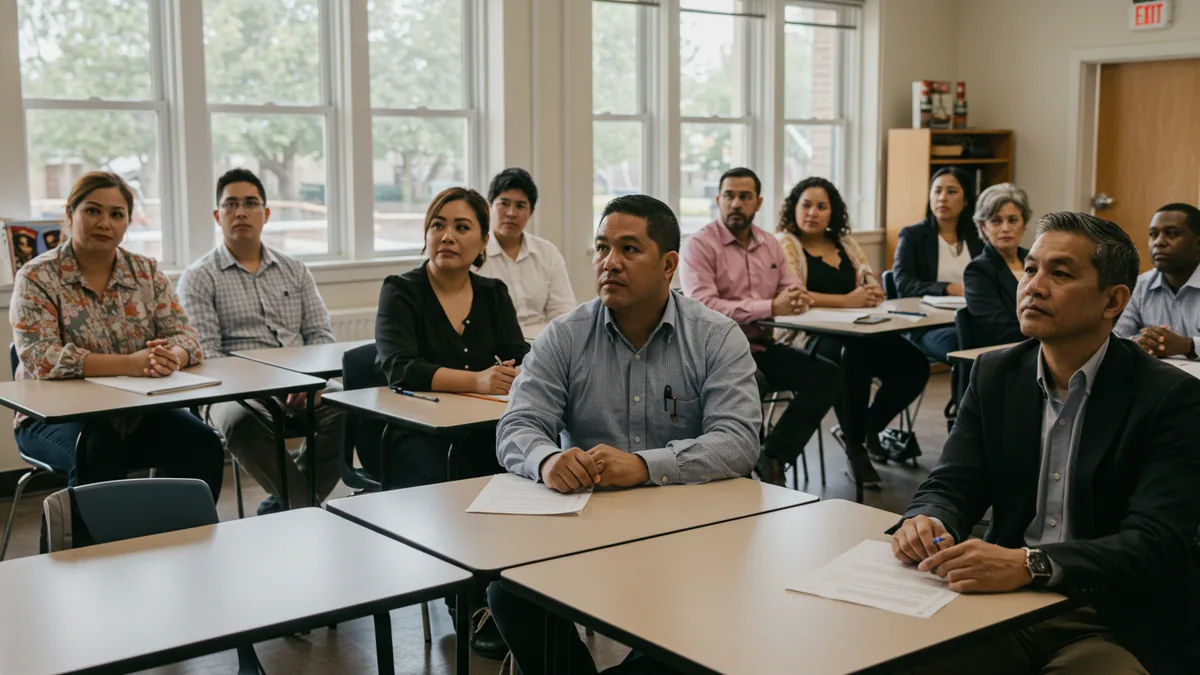
Totally unrelated, but - window companies across St. Louis are mapped here.
Help With Jobs and Healthcare
Housing is only one piece of the puzzle. People also need their health and a way to earn a living before things hold steady. So the center connects clients with medical care and job support, treating the two as part of the same recovery rather than separate errands.
Healthcare Coordination and Access
Getting the right medical care is hard when everything else is unstable too. The center helps clients work through the system: finding doctors, specialists, and mental health services, then keeping care on track. Staff connect people with help for chronic conditions, prescriptions, and preventive visits. The coordinated approach is built to keep people healthier and out of the hospital.
Job Training and Placement Services
A job that pays the bills and means something is a big step forward. The center runs training programs that build the skills employers actually ask for, whether someone is starting fresh or returning to work after time away. Support includes resume building, interview practice, and introductions to local businesses that are hiring, work with room to grow.
Addressing Complex Social and Medical Needs
Sometimes it all hits at once. Health problems, past trauma, or substance use can pile up while someone is also trying to find housing and work. The team builds a single plan that covers the full set of needs instead of one at a time, then connects the person with services that range from day-to-day help to support groups. The whole person, not one slice of the problem.
Here's a look at how our programs have made an impact:
Reduced Hospital Visits: For individuals in our Hospital to Healthy Housing (H2H) program, emergency room visits dropped by 53% after they secured stable housing and received support services.
Fewer Inpatient Stays: Inpatient hospital days for H2H participants decreased by 67%.
Lower Readmission Rates: The rate of patients being readmitted to the hospital fell by 42%.
The numbers point to a simple truth: stable housing and steady care change how well people do overall. Veterans get the same combination through Project HERO, a place to live plus the tools to rebuild, so recovery has somewhere to take root. You can read more about the center's housing solutions and how they contribute to a healthier St. Louis.
Want to Help? Where Volunteers Fit
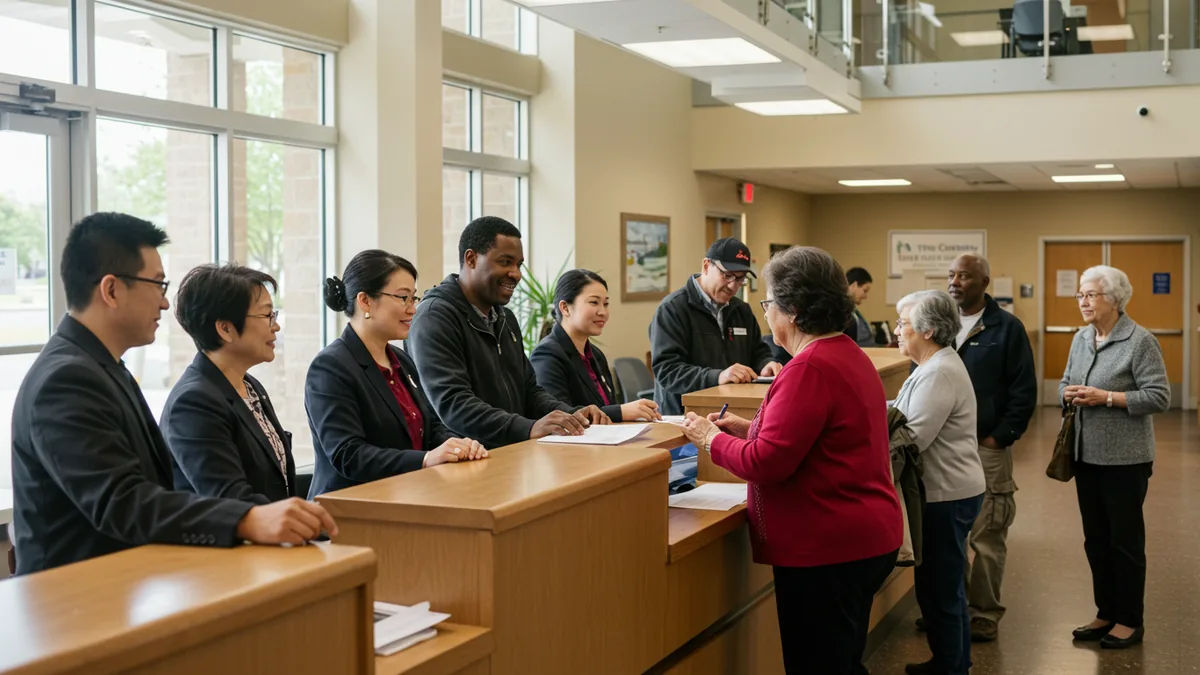 Community Engagement and Volunteer Impact
Much of what the center does depends on people giving their time. Volunteers keep programs running day to day and help the work reach further than paid staff alone ever could. There's a real role here for anyone willing to show up.
Volunteer Opportunities and Contributions
Volunteering is the most direct way to pitch in. Each year, nearly 3,000 volunteers give over 29,000 hours, and the center leans on every one of those hours. The jobs vary: serving meals, sorting donations, helping at fundraising events, backing up the office, even cooking casseroles and salads for clients at home. Every hour given helps build a stronger St. Louis.
Host a Group Volunteer Project
Want to bring friends, family, or coworkers along? Hosting a group project, like assembling care kits, is a good way to do it. A group gathers and packs essential kits for the individuals and families the center serves, a hands-on afternoon that puts needed items straight into people's hands. The center tells you which supplies are running short so your event matches what's actually needed right now.
Building a Stronger St. Louis Together
The center works as a hub for community action, not only a place that hands out services. Volunteer a few hours or run a kit pack and you become part of the response to homelessness and poverty in the city. Paired with the center's core programs, that effort helps people reach self-sufficiency and hold onto their dignity. To find current openings, support the mission of St. Patrick's Center on their website.
Does It Work? What the Center Tracks
Program Effectiveness and Outcomes
How does the center know its work is landing? It watches both the numbers and the stories. Staff track how many people find stable housing, how many land jobs, and how their wellbeing shifts over time. The measure isn't one night off the street. It's whether someone builds a life. Results get compared against peer organizations to keep the programs sharp.
Tracking client progress from entry to exit.
Gathering feedback through surveys and interviews.
Analyzing long-term housing stability rates.
Strategic Planning for Growth
The center plans to reach more people and serve them better. That means identifying which programs do the most good, making sure those programs are funded, and finding new revenue so the work can continue. Careful with its resources, deliberate about what comes next.
Collaborations for Regional Impact
No single organization solves homelessness in St. Louis on its own. So the center works closely with other groups, sharing ideas and resources and coordinating who does what with fellow homeless service providers. Those partnerships knit a stronger safety net across the region. The center also aligns its strategy with Catholic Charities of St. Louis to keep the shared message consistent. To pitch in, look into donor engagement opportunities.
If you are a man looking for a bed tonight rather than a day program, start with this rundown of homeless shelters for men in St. Louis.
Curious where the center is headed and what's coming next? Its own site, stpatrickcenter.org, posts the latest programs, stories and events.
Looking for more local help or ways to give back? Browse the St Louis Near Me public services directory to find nonprofits and community programs across the metro.
If you run a shelter, a pantry or a job program that picks up where the Welcome Center leaves off, list it with us so more neighbors and customers who need what you do can reach you.
St. Patrick Center Drop-In Hours: The Welcome Center at 800 N. Tucker
The front door for help is the Welcome Center, a side entrance on the north side of St. Patrick Center at 800 N. Tucker Blvd., at the corner of Convention Center Drive. Intake is walk-in only, Monday through Friday, with sessions starting at 8 a.m. and 1 p.m. on a first-come, first-served basis. It closes for lunch from noon to 1. No appointment is needed, and the center does not do intakes by phone, email or social media.
Bring a photo ID, proof of where you live or that you’re homeless, and any utility shutoff notice, if you have them. If all you’ve got is the bag on your shoulder, come anyway. A specialist assesses your situation and routes you to housing, health or job programs. St. Patrick Center has led the joint City and County coordinated entry process for years, so one visit can open doors well beyond its own programs.
Two things the Welcome Center can’t do right now: it has no rental assistance available, and it isn’t an overnight shelter. If you have nowhere to stay tonight, call 2-1-1 or (314) 802-0700 for shelter options. Veterans and their households can reach the center’s Supportive Services for Veteran Families program at 314-356-0657. Giving instead of asking? Donations go to the dock on Hadley Street, weekdays from 8:30 a.m. to 4 p.m.
How to Get Help or Give It
St. Patrick Center offers a route back to stable ground: housing, a job, healthcare, and the case management that ties them together. The results back that up, and so do the people who’ve moved from an ER waiting room into an apartment of their own. Need help, or want to give some? The next step is a phone call or a single volunteer shift.
About St. Patrick Center: A ministry of Catholic Charities at 800 N. Tucker Boulevard, St. Patrick Center has worked to end homelessness in St. Louis for more than 40 years and serves thousands of people a year, including up to 200 fresh meals a day. Learn more, volunteer, or donate at stpatrickcenter.org or call (314) 802-0700.
Looking for food assistance? See our guide to food pantries in St. Louis.
For state forensic mental-health services, see our overview of the St. Louis Forensic Treatment Center.
Frequently Asked Questions
Where do I go if I have nowhere to stay?
In St. Louis, call 2-1-1 or St. Patrick Center at (314) 802-0700 for tonight’s shelter options. On a weekday, walk into St. Patrick Center’s Welcome Center at 800 N. Tucker Blvd. at 8 a.m. or 1 p.m. It runs coordinated entry for the City and County, so one intake gets you assessed for housing. Veterans can call 314-356-0657.
How to apply for emergency housing assistance in Missouri?
Dial 2-1-1, the United Way line that covers Missouri, and ask for emergency housing or shelter near you. In St. Louis City and County, the application is an in-person intake: go to St. Patrick Center’s Welcome Center on a weekday at 8 a.m. or 1 p.m., bring an ID and proof of your situation if you have them, and a specialist will refer you.
What is the rental assistance program in St. Louis?
There isn’t one standing program; rent help in St. Louis comes and goes with funding. St. Patrick Center says it has no rental assistance available right now and points people to 2-1-1 or (314) 802-0700 for current options. If you’re facing eviction, Missouri Tenant Help (motenanthelp.org) builds free court forms, and Legal Services of Eastern Missouri defends low-income tenants.
How to get immediate rental assistance?
Call 2-1-1 the same day you fall behind, because rent funds go fast, and have your lease, ID, proof of income and the past-due notice ready. Then ask your landlord for a payment plan in writing, which Missouri Tenant Help suggests as a first step. If court papers arrive, don’t skip the hearing: once a judge orders you out, you get 10 days.
What are the four types of homelessness?
HUD, which funds most homeless programs, uses four categories: literally homeless (sleeping outside, in a car or in a shelter), at imminent risk of losing housing within 14 days, homeless under other federal laws (mainly unaccompanied youth and families with children), and fleeing domestic violence. Which one fits you shapes which programs you qualify for, so say it plainly at intake.
How does St. Patrick Center help veterans?
Through Project HERO, which pairs housing with one-on-one case management, and a Supportive Services for Veteran Families program for veterans who are homeless or about to be; call 314-356-0657 to reach it. The newly refurbished Caritas St. Matthews, formerly McFarlane Place and Visitation House, also houses veterans and Hospital to Healthy Housing clients.

Written by a dedicated team of St. Louis locals who live, work, and play right here in the St. Louis metro. Founder Lane Forman and team are committed to building the region’s most trusted directory by verifying listings and connecting local businesses with loyal customers across Missouri and Illinois.