Sprinkler Repair Near Me: A St. Louis Guide to a Healthy Lawn
Revised October 16, 2026

How do I know if my St. Louis sprinkler system needs repair?
Most St. Louis sprinkler problems come from our clay soil, freeze-thaw winters, and hard water — cracked pipes, tilted or clogged heads, leaking valves, and a controller watering at the wrong time. Watch for soggy or dry patches, heads that won’t pop up or spray sideways, low pressure, or a water bill that jumps for no reason. Small fixes are cheap when caught early; the big-ticket exception is a hidden mainline leak. The two non-negotiables in our climate are a fall winterization blow-out before the first freeze and an annual certified backflow test. When hiring, ask how long they’ve done irrigation, whether they’re backflow-certified, and what the diagnostic fee is up front.
Keep reading ↓It’s a St. Louis July, ninety-some degrees by noon, and the lawn is telling on itself: one corner soggy, the opposite corner crispy and brown, and a sprinkler head faithfully watering the sidewalk. Your irrigation system has a problem, and it wants you to notice.
This guide walks a St. Louis homeowner through sprinkler repair: the warning signs, the parts that fail, and how to find someone who’ll actually fix it before a small leak cooks your lawn or spikes the water bill. An irrigation system earns its keep on the hottest weeks, watering while you’re at work and holding the yard green. It only manages that when it’s maintained. Most of what goes wrong here is predictable, and caught early, cheap to put right.
Signs your sprinkler system needs help
- Uneven watering — soggy patches next to dry, crispy ones usually mean clogged or misaligned heads, or a leak in the line.
- A surprise jump in your water bill — even a small hidden leak wastes a shocking amount of water over a hot St. Louis month.
- Visible damage — a cracked or broken head, one that won’t pop up, or water pooling around it when the system’s off.
- Weak spray — heads not reaching as far as they used to often point to low pressure or a leak.
What usually goes wrong
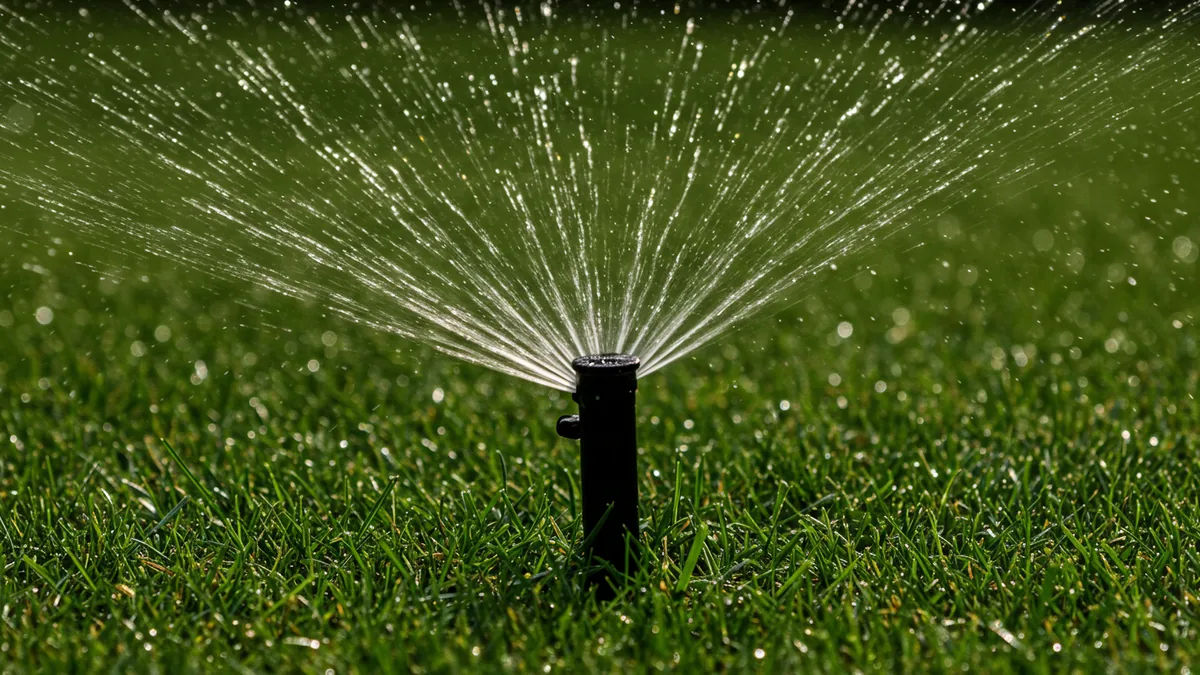
A short list of culprits covers most sprinkler trouble. Clogged or damaged heads lead it, thanks to debris, mineral buildup, or a run-in with the lawnmower. Then come worn valves that won’t open or close right, cracked underground pipes bleeding pressure, and a glitchy controller watering at odd hours or skipping zones. Our heavy clay adds one more, swelling and shrinking with the seasons until it stresses the shallow lines.
The St. Louis winter catch: winterize, or pay for it
This is the one newcomers miss. Water left sitting in the lines freezes, expands, and cracks whatever holds it: pipes, valves, the backflow preventer. So have the system “blown out” with compressed air every fall, before the first hard freeze. It costs a fraction of the spring repair bill. Nearly every “my system broke over winter” call traces back to a system nobody winterized.
Why St. Louis is hard on an irrigation system
Our climate and soil gang up on sprinkler systems in ways drier or milder regions never see. The clay soil so common here swells when it’s wet and shrinks when it dries, and that constant movement stresses buried pipes and nudges heads out of alignment. Freeze-thaw winters crack anything holding water. Hard water leaves mineral buildup that clogs nozzles and gums up valves. Then July arrives, the system runs hard every day, and small weaknesses turn into failures fast. Irrigation is still worth it here. What changes is the maintenance: skipping it isn’t really an option the way it might be in a gentler climate.
Total tangent — but where to eat in Lebanon, Illinois is genuinely worth knowing.
Don’t forget the backflow preventer
Every in-ground system has a backflow preventer, the device that keeps irrigation water (and whatever’s on your lawn) from being siphoned back into your drinking water. Because it’s a safety device, many St. Louis-area municipalities and water providers require it to be tested annually by a certified tester, with the results filed with the water utility. The test is quick and cheap. Skip it and a notice from the water company can follow. A failed or freeze-damaged backflow assembly is also one of the pricier parts to replace, so keep it on your radar. Ask whether your irrigation company is certified to test it while they’re out.
Spring startup, done right
Fall winterizing has a spring counterpart: a careful spring startup. Charge a dry system too fast and the pressure surge can blow out heads, so a good tech opens the water slowly, then walks every zone to confirm the heads pop up, aim the right way, and cover evenly. Anything that drifted over winter gets adjusted or swapped. Spring is also when you catch a small leak, or a controller quietly running a zone at 2 a.m. for an hour longer than it needs. Book early and you beat the May rush, when every irrigation company in the metro is slammed.
What repairs typically cost
Sprinkler work usually costs less than homeowners fear, especially when it’s caught early. A replacement spray head is a few dollars in parts plus labor. A rotor or a valve runs more. A hidden mainline leak means digging, and that’s the big-ticket exception. The routine spend is seasonal: a fall winterization blow-out and a spring startup each typically land in the low hundreds depending on how many zones you have, and the annual backflow test is modest on its own. Prevention is the cheapest line of all. A $100-ish blow-out beats a spring full of cracked pipes every time. Get the scope and price in writing, and ask what the diagnostic fee is before anyone comes out.
Smart controllers and saving water
A controller more than a few years old is worth replacing, and the upgrade often pays for itself. A modern WiFi or smart controller adjusts watering to the weather, skipping a cycle when it rains and easing off in cooler weeks. A simple rain sensor ends the embarrassing sight of sprinklers running in a downpour. Across a hot St. Louis summer, that’s a real dent in the water bill. Some municipalities publish watering guidance or odd/even-day suggestions during dry stretches, and the advice usually agrees: water deeply, less often, early in the morning. The lawn drinks it up, and the bill stays lower than it would on a light daily sprinkle.
A simple sprinkler calendar for St. Louis
Irrigation doesn’t ask for year-round attention, only a few well-timed check-ins:
- Early spring (March–April): schedule your startup, walk every zone, and get the backflow test done. Adjust the controller for spring’s cooler, wetter weeks.
- Early summer (May–June): as heat ramps up, bump run times and confirm coverage before the first real dry spell. Fix any weak or misaligned heads now, not in August.
- Peak summer (July–August): water deeply and early in the morning, watch the bill for hidden-leak spikes, and call promptly if a zone fails — a broken system in a heat wave can brown a lawn in days.
- Fall (October–November): the non-negotiable one — get the system blown out before the first hard freeze.
What you can handle yourself
Plenty of jobs don’t need a pro. Straightening or cleaning a clogged spray head, clearing grass that’s grown over a nozzle, adjusting the spray arc, reprogramming the controller for the season: all reasonable with a little patience. The rest is worth a call. Anything underground qualifies (leaks, mainline breaks, valve replacement), and so does a backflow test that has to be certified and the seasonal winterization blow-out, which needs a real air compressor and a feel for how much pressure the lines can take. The rule of thumb: if the fix is above ground and obvious, try it; if it involves digging, pressure, or a certification, hire it out.
Questions to ask before you hire
A few phone questions save you grief later. Ask how long they’ve done irrigation specifically, whether they’re certified to test backflow preventers, what the warranty covers on parts and labor, whether they use name-brand parts like Hunter or Rain Bird, and what a service or diagnostic call costs up front. In peak season, ask about turnaround too. A company that can’t reach you for two weeks in July isn’t much help to a frying lawn. Reputable outfits answer all of it without hedging.
Finding a sprinkler pro you can trust
- Experience and references — ask how long they’ve worked on irrigation and for a few recent local customers.
- A warranty on parts and labor — a good company stands behind the fix.
- Quality parts — reputable brands like Hunter and Rain Bird, not whatever’s cheapest.
- Responsiveness — in a heat wave, same-day or next-day service keeps your lawn from frying while you wait.
When to call instead of DIY
A clogged head you can clean yourself. Persistent soggy or dry patches, wilting plants, a hidden underground leak, or a controller that won’t behave point to something deeper, and chasing that without the right tools usually costs more than a pro would have. If the lawn is clearly suffering and you can’t find the cause, it’s time. The math favors calling early. An hour of a pro’s time to find a hidden leak beats weeks of a running meter and a scorched lawn you’ll pay to re-sod. A company that services your system once tends to remember its quirks the next time, a quiet argument for sticking with one reliable irrigation pro rather than chasing the cheapest one-off each season. There’s also a difference between a system that needs a quick repair and one that has quietly outlived its usefulness. Installed twenty or thirty years ago, with brittle poly pipe, obsolete valves, and heads no longer made, a system can reach the point where you’re patching the same zones every spring. A good pro will tell you honestly when you’ve crossed from “fix it” into “replace it,” instead of selling you another season of Band-Aids. That candor is worth more than a rock-bottom quote from someone you’ll never see again.
Sprinklers are one piece of a bigger seasonal rhythm — see our full seasonal home maintenance checklist for St. Louis homeowners, and while you’re caring for the exterior, our guide to roof washing covers another easy-to-forget job.
Ready to get it fixed? Browse the St Louis Near Me home services directory to find irrigation and lawn-care pros across the metro.
If you’re the one providing this, claim your spot. What if getting more customers didn’t mean handing another platform your card and hoping? Every day you’re not found is a day a competitor is. How many can you spare? You didn’t build this to be overlooked. So why let it be? See who AI names instead of you →
Frequently Asked Questions
How do I know if my sprinkler system needs repair?
Watch for uneven watering (soggy spots beside dry ones), an unexplained jump in your water bill, broken or pooling sprinkler heads, or weak spray that doesn’t reach as far as it used to.
Do I need to winterize my sprinkler system in St. Louis?
Yes. St. Louis winters freeze hard enough to crack water left in the lines, so have the system blown out with compressed air each fall before the first hard freeze — it prevents burst pipes and damaged valves.
Should I repair my sprinklers myself or hire a pro?
You can clean a clogged head yourself, but persistent wet or dry patches, hidden leaks, or controller problems usually need a professional with the right diagnostic tools to fix efficiently.
How much does sprinkler repair cost in St. Louis?
Small fixes are inexpensive — a replacement spray head is a few dollars in parts plus labor. Valves and rotors cost more, and a hidden mainline leak that requires digging is the priciest exception. Seasonal service (a fall blow-out and a spring startup) typically runs in the low hundreds each, depending on how many zones you have. Ask for the diagnostic fee and a written estimate before work begins.
When should I winterize my sprinkler system?
In the fall, before the first hard freeze — usually sometime in October or November in St. Louis. Have the system blown out with compressed air so no water is left to freeze, crack pipes, and ruin valves or the backflow preventer. It’s the single most important maintenance step in our climate.
Do I need to have my backflow preventer tested?
Very likely, yes. Many St. Louis-area municipalities and water providers require an annual certified backflow test to protect the drinking-water supply, with results filed with the utility. It’s quick and inexpensive — ask your irrigation company if they’re certified to do it while they’re out.
Why is my sprinkler system watering unevenly?
Usually clogged, tilted, or damaged heads, a leak in the line, or low pressure. St. Louis’s hard water leaves mineral buildup in nozzles, and clay soil shifts heads out of alignment over time. Cleaning or realigning heads fixes many cases; persistent soggy-versus-dry patches point to a leak worth a pro’s attention.

Written by a dedicated team of St. Louis locals who live, work, and play right here in the St. Louis metro. Founder Lane Forman and team are committed to building the region’s most trusted directory by verifying listings and connecting local businesses with loyal customers across Missouri and Illinois.